

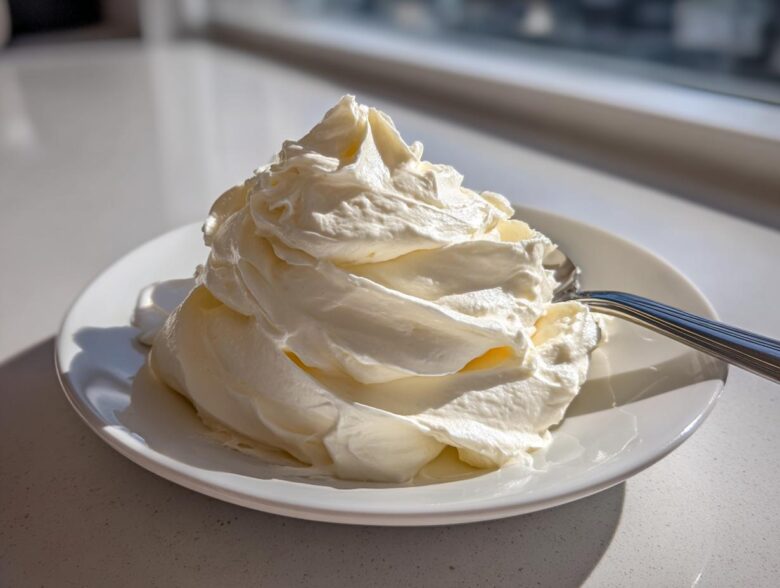
Oh, stop everything! If you think cream cheese frosting is destined to be gritty, overly sweet, or just too soft to handle a piping bag, then Leo and I have a delicious headline for you today. Since retirement, we’ve been obsessed with perfecting the basics, and this simple topping is now our front-page news! We finally landed on the best classic cream cheese frosting formula. It’s incredibly quick—I’m talking under ten minutes!—and it has this wonderful, rich tang that keeps it from tasting like pure powdered sugar. Trust me, whether you’re slathering it on warm cinnamon rolls or building a towering red velvet cake, you’ll want to try this frosting!
Why This is the Best Cream Cheese Frosting Recipe You Will Ever Make
When Leo first tasted this version, he actually stopped mid-sentence, which is rare for a man who usually has commentary on every bite! That’s how good the balance is. We worked hard to make sure this wasn’t just sweet goo; it’s a genuinely tangy cream cheese icing that tastes rich but never heavy. This recipe cuts down the mixing time to just a few minutes once ingredients are ready, making it one of our favorite quick homemade frostings.
I spent a good two weeks just testing mixer speeds and temperatures to guarantee this was a no lump frosting. It’s honestly the most reliable topping I’ve ever made.
Achieving a Smooth Buttercream Alternative
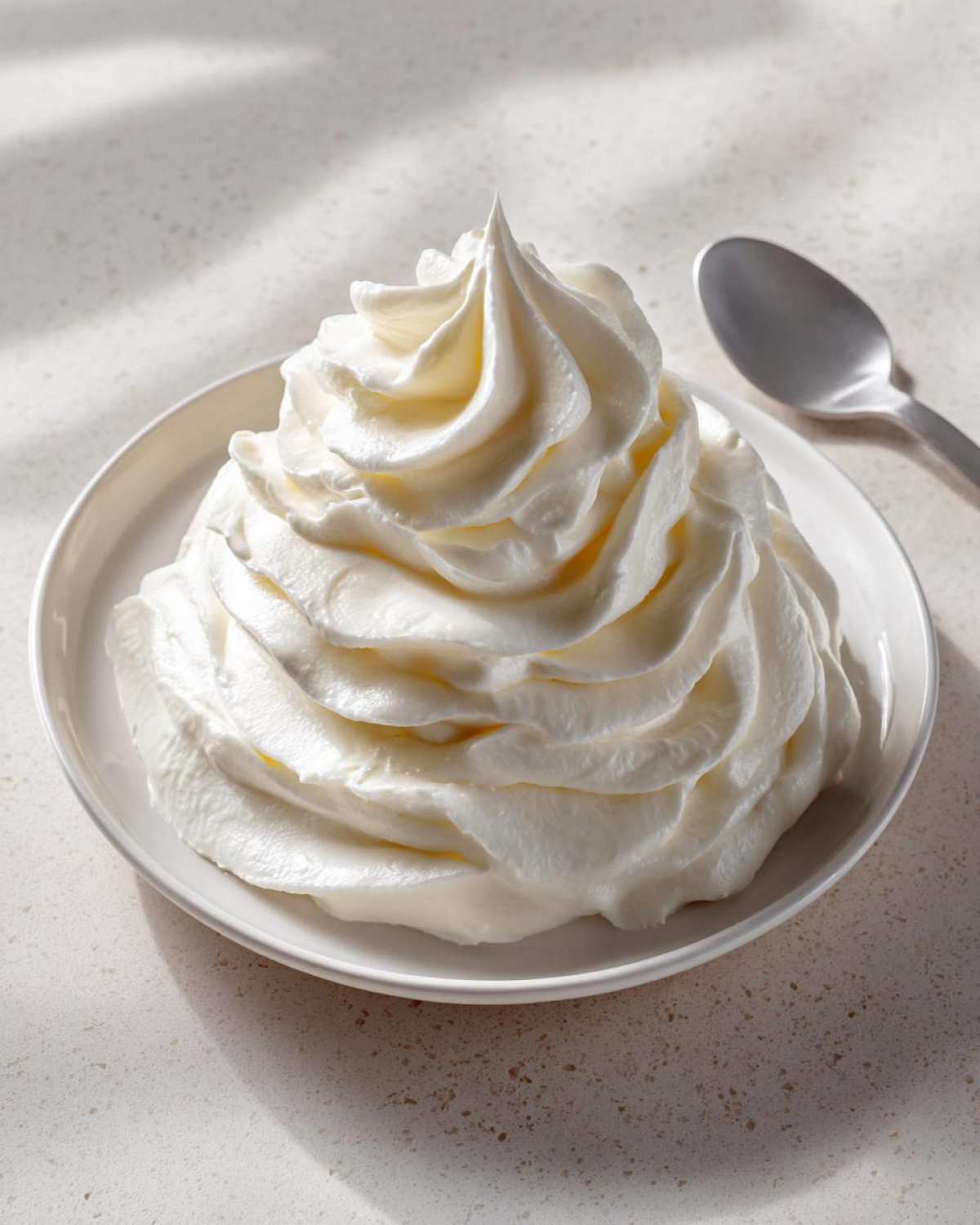
The absolute secret to that wonderfully fluffy cream cheese frosting is the temperature of your dairy. If your butter or cream cheese is even a little bit cold, you’ll end up with those frustrating little chunks. We beat them together until they are totally unified and creamy *before* adding any sugar. That initial beating is what lets this recipe stand up as a brilliant smooth buttercream alternative.
Perfect Cream Cheese Frosting for Cinnamon Rolls and Cakes
This recipe is so versatile. If you love warm, gooey breakfast treats, you’ll find this is the perfect cream cheese frosting for cinnamon rolls—just use a little less sugar so it drizzles nicely. But don’t forget the classics! It’s also the perfect frosting for red velvet cake. It just sings with those deep chocolate notes.
Gathering Ingredients for Classic Cream Cheese Frosting
Alright, friends, let’s talk structure! Getting fantastic, fluffy cream cheese frosting starts long before you even turn the mixer on. Since we only have five core components here, using high-quality bits is key. Please, please, please make sure your full-fat cream cheese and that unsalted butter are *truly* soft. I mean soft like room temperature, not microwaved for ten seconds soft—we want that consistency for mixing!
And here’s my archival note from all those trials: always sift your powdered sugar. Even if the box says it’s pre-sifted, do it anyway! This one simple step guarantees you won’t have any grainy pockets leftover. It’s the difference between a basic topping and a proper homemade cake icing that behaves beautifully.
How to Prepare Your Quick Homemade Frosting Instructions
Okay, Leo calls this the 10-minute miracle, and honestly, when you’re ready to frost a cake, speed counts! These steps are designed specifically so you get that gorgeous, cloud-like texture—the hallmark of a truly fluffy cream cheese frosting—and eliminate those dreaded grainy bits. Ready your mixer, because we’re moving fast!
Creaming the Fats for a No Lump Frosting Base
This is where we set ourselves up for success! Get your super-softened cream cheese and butter into the bowl. Don’t rush this part. You need to beat them together on medium speed for a good two minutes until it’s completely smooth and actually creamy looking. If you skip this, you get lumps! Seriously, scrape down the sides halfway through because the mixer always tries to cheat you out of the best parts hiding near the edges.
Incorporating Sugar for Pipeable Cream Cheese Frosting
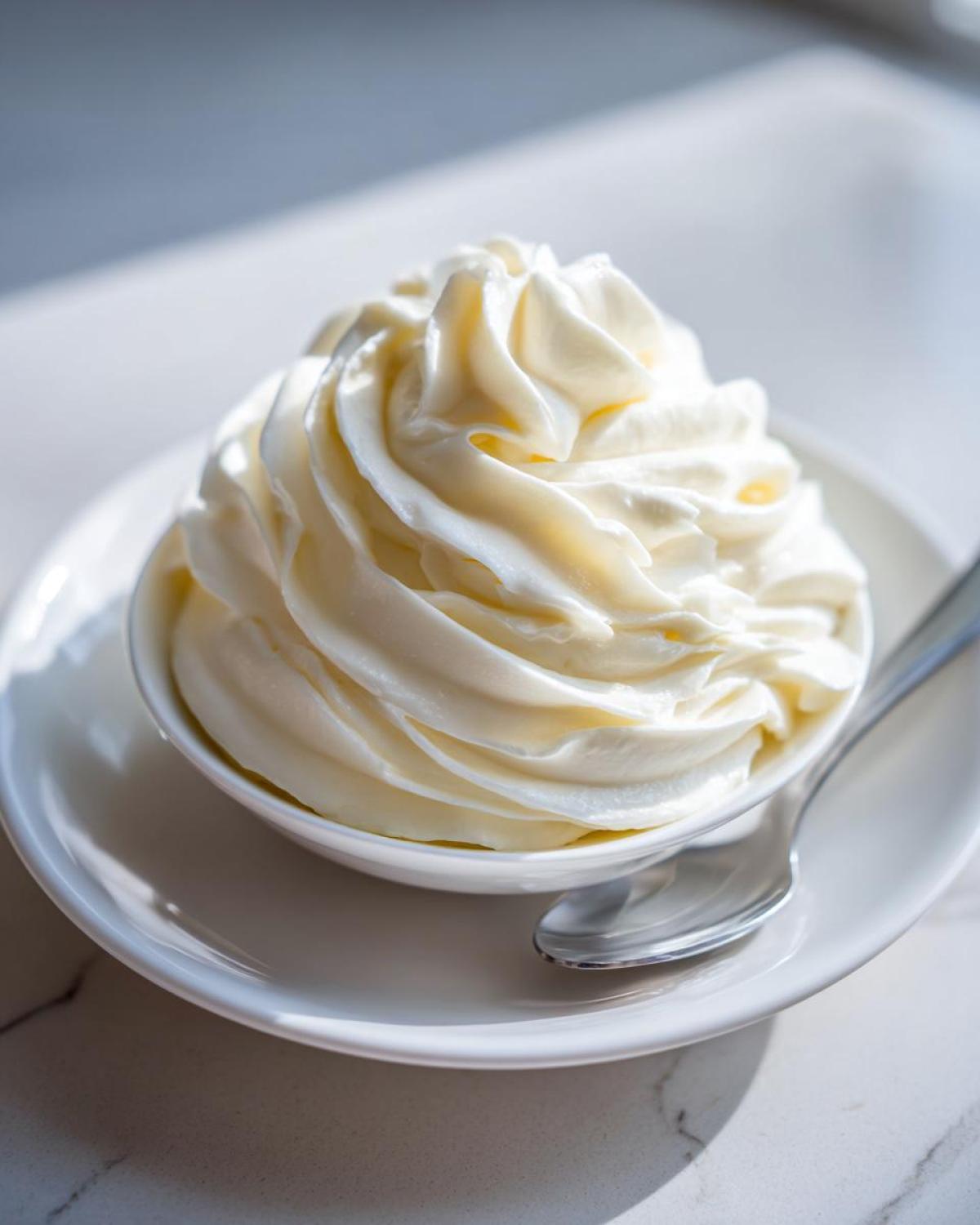
Now for the bulk! Slowly introduce your sifted powdered sugar, one cup at a time, but keep the mixer speed on low until it’s just combined. We don’t want a sugar cloud taking over the kitchen! Once all the sugar is in there, give it a good blast on medium-high speed for about two or three minutes. This final whipping is what transforms it into that stable, spreadable, almost irresistible pipeable cream cheese frosting we all dream about.
Tips for Achieving Perfect Cream Cheese Frosting Every Time
Now that you’ve mixed it up, let’s talk about making sure your glorious creation stays beautiful until it hits the cake! Because we are aiming for the best cream cheese frosting, Clara spent hours testing what makes it perfect. If you follow these quick checks, you’ll have a whipped cream cheese topping that sings. For anyone looking for tips on getting theirs perfectly creamy, you might also find some great insights over at their post!
Temperature Control for Smooth Cream Cheese Frosting
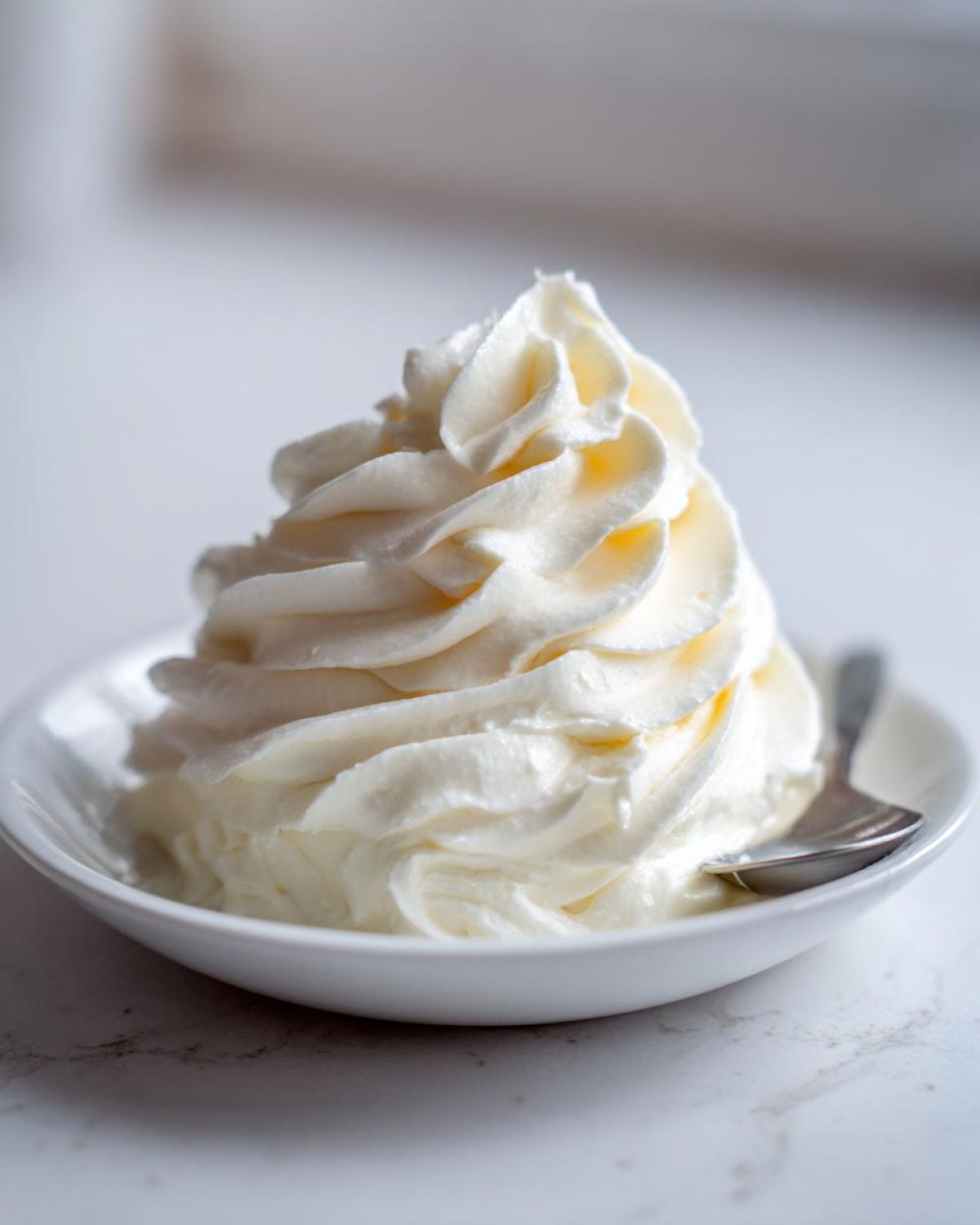
I cannot stress this enough: room temperature dairy is the backbone here! If your cream cheese and butter aren’t soft and pliable, the mixer will struggle, and those little chunks will set up in your tangy cream cheese icing forever. Pull them out early. Don’t try to speed it up in the microwave unless you enjoy frosting soup! You can find more general baking tips over on our main blog page.
Adjusting Consistency for Different Uses
Sometimes you want a thick, pipeable cream cheese frosting, and sometimes you just want a simple drizzle. If you’re aiming for that thinner cream cheese glaze for warm cinnamon rolls, pull back on the powdered sugar slightly, maybe starting at three cups instead of four. If you need it super stiff for piping sharp edges, add that last half cup of sugar, and feel free to pop the whole bowl of frosting into the fridge for fifteen minutes to let it firm up before you start decorating. This helps solidify your basic cream cheese icing.
Storage and Making Ahead with Your Cream Cheese Frosting
We always make a huge batch because, well, Leo likes licking the beaters, and I like having extra on hand! This frosting works beautifully as an easy dessert topping later in the week. If you have leftovers, just store them in an airtight container right in the refrigerator. It keeps wonderfully for about five days. When you want to use it again—maybe for a spontaneous batch of cookies—give it a good twenty minutes out on the counter to soften up. Then, give it a quick *whip* with the hand mixer for just 30 seconds to bring back that amazing fluffiness. You can also freeze it successfully; just let it thaw slowly in the fridge before whipping it back into shape. For make-ahead secrets, I often look at great resources like this guide!
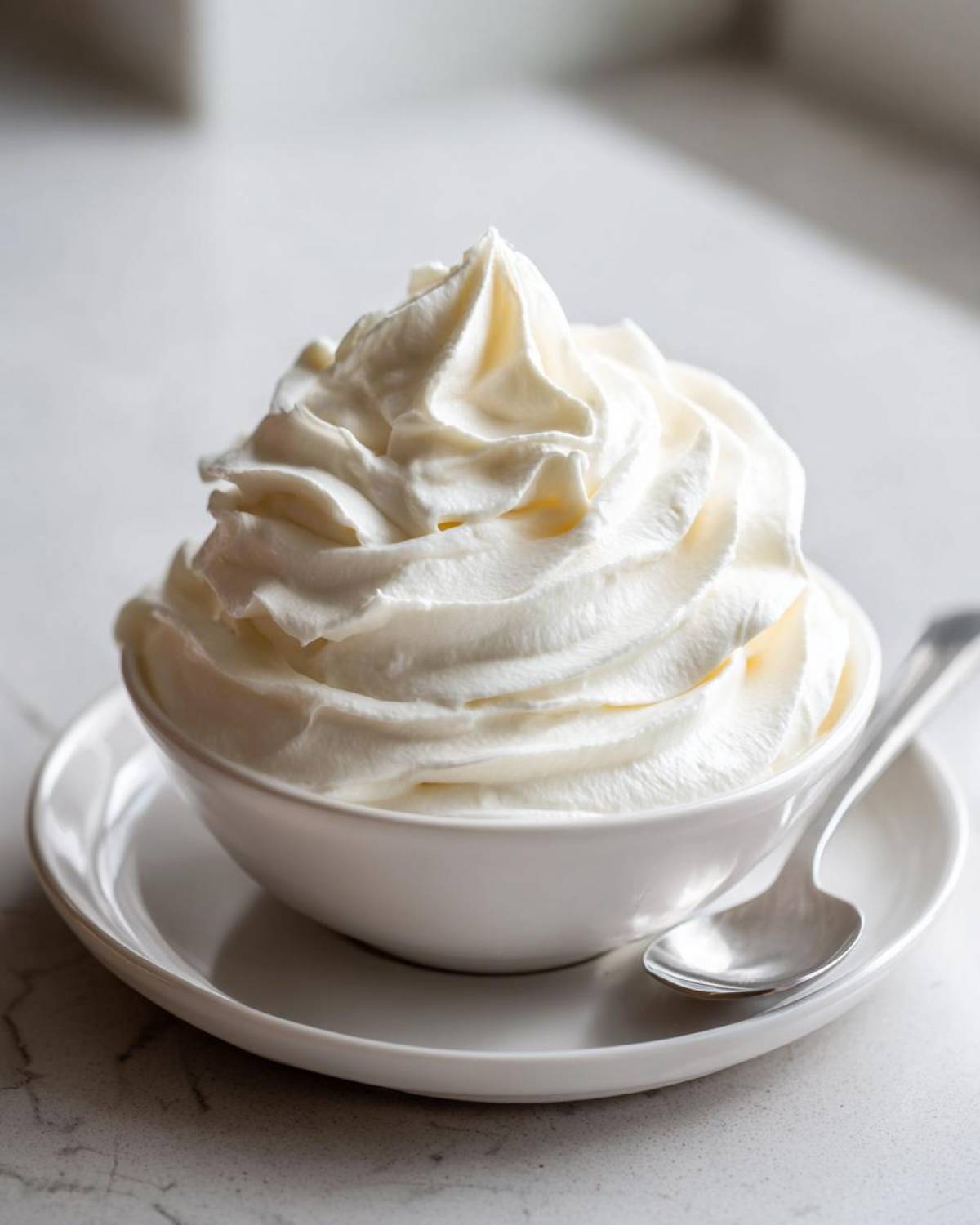
If you’re planning way ahead, you can also freeze unfrosted cakes with this topping on them. For more holiday-baking inspiration, check out our recipes for the chocolate peppermint cookies—that frosting works wonders there too!
Frequently Asked Questions About Cream Cheese Frosting
Oh, I get so many notes asking about troubleshooting—and that’s wonderful! It means you’re out there actually whipping up batches of this stuff, which makes my librarian heart happy. Most of the questions come down to texture and sweetness, which are exactly what we worked so hard to nail in this easy cream cheese frosting recipe. Let’s clear up a few of those common concerns right here.
How do I fix runny cream cheese frosting?
If your frosting ends up looking more like a sauce than a topping, don’t panic! It happens if we add too much vanilla or the butter was just a hair too warm. For a quick fix, start adding more sifted powdered sugar, just a quarter cup at a time, mixing on low until it starts to stiffen up again. If it’s still fighting you, pop the whole bowl into the fridge for about 15 minutes. Chilling always helps bring it back to being wonderfully pipeable cream cheese frosting.
Can I use low-fat cream cheese for this easy cream cheese frosting recipe?
Leo asked this when we were first testing recipes! The answer is technically yes, but please don’t if you can avoid it. Low-fat or Neufchâtel cheese just has way more water content. That water ruins the texture—it makes the whole batch thin, unstable, and you won’t get that beautiful, classic stiffness. You end up with a sad, runny mess that tastes like a very sweet, slightly tangy, and ultimately disappointing basic cream cheese icing.
What is the difference between this and a standard buttercream?
That’s a great question for anyone looking for a smooth buttercream alternative! The main differences are flavor and stability. Buttercream is typically just butter, sugar, and maybe some milk or water, making it very rich and sweet. Our version gets that necessary bite of tang from the cream cheese, which cuts the sweetness perfectly. Texture-wise, traditional buttercream often holds sharp edges better right away, but ours becomes wonderfully firm, especially when chilled a bit.
Estimated Nutritional Breakdown for This Cream Cheese Frosting
Now, I know some of you lovely readers are tracking things closely, and that’s totally fair game! Leo is always looking over my shoulder when I write up numbers, bless his heart. Since this recipe makes about two cups of topping, these figures are an approximation based on the full ingredient list.
Remember, this is our rich, decadent, homemade topping, so it’s meant to be enjoyed! These estimates are for a standard quarter-cup serving size, which is probably about what you’d get swirling on top of one of my ricotta-based desserts. Treat these numbers as estimates, not gospel truth!
- Calories: Around 350 per serving. That’s the butter and cream cheese talking!
- Total Fat: Roughly 22 grams. It’s packed with richness, as expected from proper dairy products.
- Carbohydrates (mostly sugar): About 39 grams here. That powdered sugar really adds up!
- Protein: About 3 grams. A little boost from the cheese and butter.
We didn’t include every single metric because frankly, Leo rushes me when I get too detailed with the charts! But these main numbers should give you a good idea of what you’re adding to those wonderful cakes and cinnamon rolls.
Share Your Tasty Tribune Creations
Now it’s your turn to make some headline news in *your* kitchen! I truly hope you give our best cream cheese frosting a whirl. Honestly, Leo and I get such a kick out of seeing what you pair it with. Did you use it on a classic red velvet cake? Are you drowning warm cinnamon rolls in this beautiful topping? Send pictures our way!
We love hearing how these recipes fit into your busy lives. Drop a comment down below and let us know how that no-lump mixing went for you and if you managed to catch Leo sneaking a taste off the spatula. If you followed the steps, you should have achieved the smoothest, most glorious topping!
If you’re looking for more ways to get in touch, you can always send us a note through our contact page. Happy baking, everyone!
PrintThe Best Classic Cream Cheese Frosting: Smooth, Tangy, and Pipeable

You need this easy cream cheese frosting recipe! It creates a smooth, fluffy texture that is perfectly tangy and holds its shape well for decorating cakes, cupcakes, or topping warm cinnamon rolls.
- Prep Time: 10 min
- Cook Time: 0 min
- Total Time: 10 min
- Yield: About 2 cups
- Category: Dessert Topping
- Method: Mixing
- Cuisine: American
- Diet: Vegetarian
Ingredients
- 1 (8 ounce) package full-fat cream cheese, softened
- 1/2 cup (1 stick) unsalted butter, softened
- 3 to 4 cups powdered sugar, sifted
- 1 teaspoon pure vanilla extract
- 1/4 teaspoon salt
Instructions
- Set your room temperature ingredients out. Make sure your cream cheese and butter are very soft to prevent lumps.
- In a large bowl, use an electric mixer to beat the softened cream cheese and butter together on medium speed until the mixture is completely smooth and creamy, about 2 minutes. Scrape down the sides of the bowl.
- Add the vanilla extract and salt. Mix briefly to combine.
- Gradually add the sifted powdered sugar, one cup at a time, mixing on low speed until incorporated.
- Once all the sugar is added, increase the mixer speed to medium-high and beat for 2 to 3 minutes until the frosting is light and fluffy. This whipping step helps achieve a smooth texture.
- Taste the frosting. If you want it sweeter, add more powdered sugar, half a cup at a time, mixing well after each addition. If you want a tangier flavor, add a tiny pinch more salt.
- If the frosting seems too soft for piping, chill it in the refrigerator for 15 to 20 minutes before using.
Notes
- For the smoothest frosting, always use full-fat cream cheese and ensure both the cream cheese and butter are at true room temperature.
- Sifting the powdered sugar is the key step to achieving a no lump frosting result.
- If you are making this for cinnamon rolls, start with 3 cups of powdered sugar for a slightly runnier glaze consistency.
- This frosting holds its shape well for piping, making it a great smooth buttercream alternative for decorating.
Nutrition
- Serving Size: 1/4 cup
- Calories: 350
- Sugar: 38
- Sodium: 110
- Fat: 22
- Saturated Fat: 14
- Unsaturated Fat: 8
- Trans Fat: 0
- Carbohydrates: 39
- Fiber: 0
- Protein: 3
- Cholesterol: 65