


When Leo and I first retired, the house felt far too quiet, believe it or not! I spent so long curating other people’s knowledge as a librarian, that starting our own project felt huge. We found our music right here in the kitchen, and nothing sparks more joy than baking a truly incredible lemon pound cake. This isn’t just any recipe, friends; this is the culmination of my research into what really locks in moisture and flavor. If you’re curious about our background and why we started Tasty Tribune, you can read all about it here. We spent weeks testing different fats and acidic additions until we landed on this version—it’s rich, unbelievably tender, and absolutely packed with zest, finished off with that shiny, necessary lemon glaze. Trust me, it’s the ultimate spring bake!
Why This Is the Best Lemon Pound Cake Recipe You Will Ever Make
Honestly, this lemon pound cake beats every bakery version I’ve ever tried. Leo and I used to fight over who got the last slice when we were taste-testing! What sets it apart is that trifecta: the unbelievable moisture, the sharp, bright lemon kick, and that dreamy glaze. We finally nailed that perfect texture after one too many attempts, and I think it was the moment we stopped rushing the creaming step. If you’ve ever needed a spectacular cake for a brunch that truly sings, look no further. You can check out my thoughts on other bright flavors in my lemon scone recipe post, but this cake is something special.
Achieving Maximum Moisture in Your Lemon Pound Cake
If you want a truly moist lemon pound cake, you have to respect your ingredients’ temperatures. I know it seems fussy, but letting your butter, eggs, and especially that sour cream sit out? That’s non-negotiable! The sour cream is our secret weapon; it introduces fat and acidity that tenderizes the crumb beautifully, keeping it from getting dry. It works magic!
The Secret to Zesty Lemon Flavor in the Lemon Pound Cake
Listen, if you reach for anything artificial here, you’re missing the point! We are using fresh lemons, end of story. You need that intense oil locked inside the zest, and you need the sharp juice too. I always use three big, beautiful lemons to get enough zest. This ensures you get that real, vibrant, zesty lemon cake flavor that pops in every single bite, not that dull, manufactured taste.
Gathering Ingredients for Your Homemade Lemon Loaf Cake
Now that you’re excited about how moist this cake is going to be, let’s talk supplies! Building this beautiful lemon pound cake from scratch requires precision, but just good, honest ingredients. I’ve listed everything out nice and clearly here so you can check your pantry before you start pulling things out. Remember what I said about room temperature? That applies to your butter, eggs, and sour cream before we even turn the mixer on. Getting organized now makes the mixing process so much smoother for a perfect, buttery baking experience. We’re going to tackle the cake base first, then what you need for that glorious drizzle!
Ingredients for the Buttery Lemon Cake Base
- 1 1/2 cups (3 sticks) unsalted butter, softened
- 3 cups granulated sugar
- 4 large eggs, room temperature
- 1 tablespoon fresh lemon zest (from about 3 lemons)
- 1/4 cup fresh lemon juice
- 1 cup sour cream, room temperature
- 1 teaspoon vanilla extract
- 3 cups all-purpose flour
- 1 teaspoon baking powder
- 1/2 teaspoon salt
Ingredients for the Tangy Lemon Icing
- 2 cups powdered sugar
- 1/4 cup fresh lemon juice
Step-by-Step Instructions for the Perfect Lemon Pound Cake
Alright, this is where the magic happens! We’ve got our beautiful ingredients sitting at attention, and now it’s time to combine them just right to create that stunning lemon pound cake. I know baking instructions can sometimes feel like reading a technical manual, but stick with me here. I’ve broken down the process into three main acts so you can see exactly how Leo and I tackle this. Remember, the goal is structure without toughness, and maximum lemon perfume! If you’re looking at mixing techniques that work for other bright bakes, you might enjoy checking out my recipe for buttermilk scones.
Preparing the Pan and Creaming Butter and Sugar
First things first: get that oven humming at 325°F (160°C). Don’t forget to prepare your pan—whether you’re using that gorgeous Bundt pan or a simple loaf shape, grease it well and then flour it. Next up is the crucial blending step. Grab your electric mixer, because hand mixing this takes real muscle! Beat that softened butter and the sugar for a full five minutes. That’s right, five minutes! We are looking for it to get genuinely light and fluffy. This long creaming time builds the essential air pockets that give the cake its structure later on.
Mixing the Batter: Alternating Dry and Wet Ingredients
Once your butter mix looks pale, beat in those room-temperature eggs one by one. Now, this is where people panic, but you must follow the alternation rule for a moist lemon pound cake. First, gently mix your flour, baking powder, and salt together in a separate bowl. Then, add about a third of that dry mix, stir just until it disappears. Next, add half of your room-temperature sour cream and mix gently. Repeat this pattern, always starting *and* ending with the dry ingredients. The second you see the flour streaks mostly gone, STOP mixing—you can fold in the vanilla by hand the last few seconds. Overmixing here is the fastest way to a tough cake, and we want tender!
Baking Times and Cooling for Your Lemon Pound Cake with Glaze
Pour that beautiful batter evenly into your prepared pan. Baking time varies depending on your vessel, so keep an eye on it! For a standard 10-inch Bundt pan, you’re probably looking at 60 to 75 minutes. If you opted for a loaf style, check around the 50-minute mark. You’re done when a wooden skewer comes out clean. Here’s the second waiting game: Let the cake cool *in the pan* on a wire rack for exactly 15 minutes. Don’t rush it! After those 15 minutes, carefully flip it out onto the rack. That’s when we rush to make the quick, gorgeous lemon pound cake with glaze while the cake is still slightly warm so the icing melts just a touch into the surface.
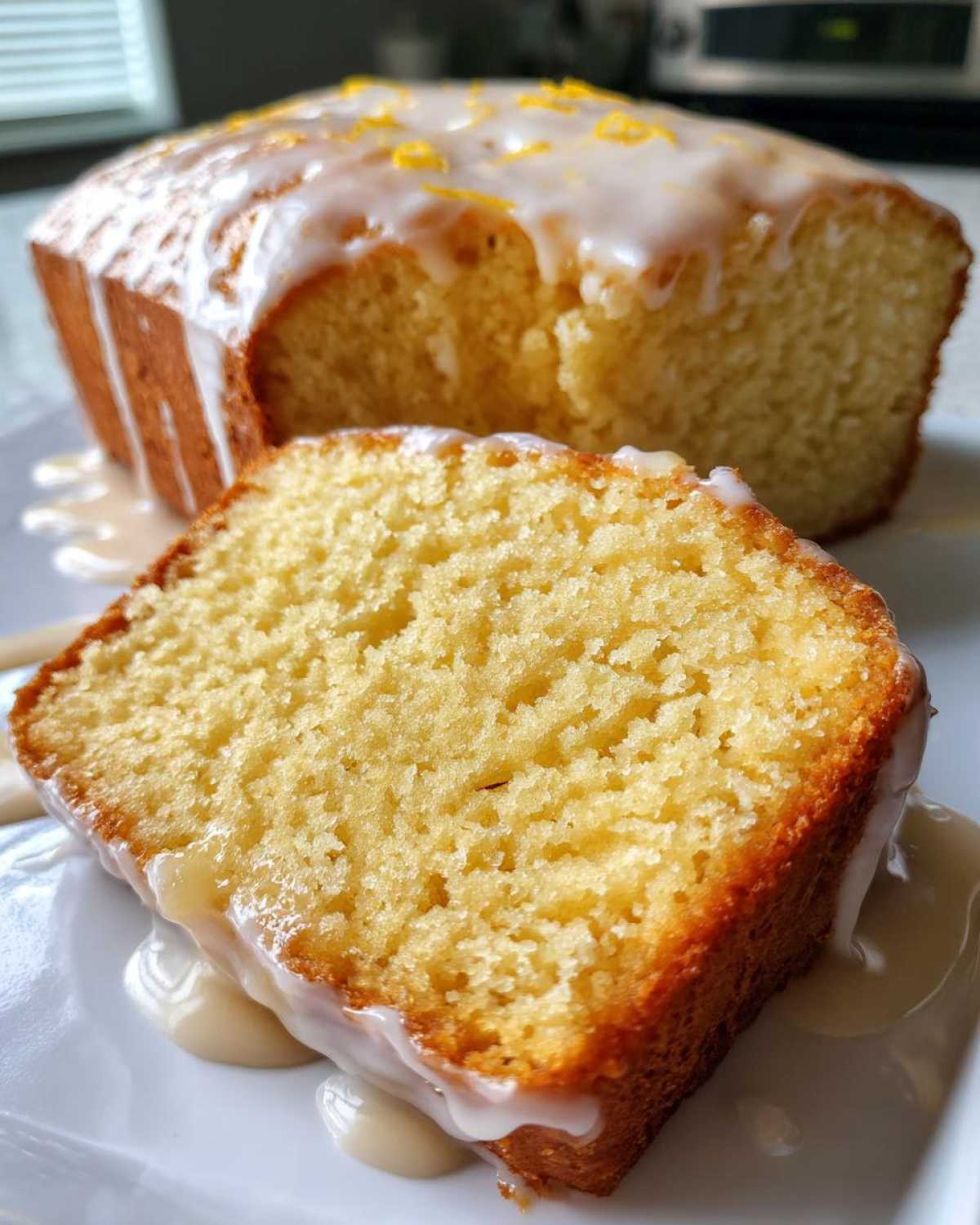
Tips for Success with Your Zesty Lemon Cake
Leo sometimes forgets this part, and then we get emails asking why their cake came out heavy! Honestly, success with any pound cake recipe from scratch comes down to respecting temperature and technique. Since we are relying on butter and sour cream for structure and richness in this zesty lemon cake, letting those cold items warm up is non-negotiable. I’ve talked about it before, but it bears repeating: room temperature ingredients emulsify so much better, which means a finer, smoother crumb.
Also, please, please, please use high-quality lemons! You lose so much brightness if you substitute bottled juice for fresh. The fresh juice is what cuts through all that buttery richness we put in this amazing lemon pound cake. When you zest them, remember to only grab the yellow part. That white pith underneath is bitter, and that will ruin the delicate balance of sweet and tart we worked so hard to achieve here in our kitchen!

Think about your mixing, too. Once that flour hits the batter, you are switching gears. You aren’t mixing for volume anymore; you are mixing just to combine. It’s so tempting, especially when you see those beautiful yellow streaks, to keep beating it until everything is uniform, but don’t! That’s when you develop gluten, and that’s how your tender cake turns into a chewy brick. I actually find that stepping away for just thirty seconds during the last mixing stage helps me stop myself from overworking it. For more tips on keeping things tender and moist, take a look at how I handle the sour cream in my sour cream coffee cake recipe!
Variations on the Classic Lemon Pound Cake Recipe
While I truly believe this classic, buttery recipe delivers the best lemon pound cake recipe you’ll find, I know everyone’s kitchen has a slightly different flavor profile they prefer. Leo, for instance, always wants to fiddle with something! We’re building on the traditional structure here, but you can absolutely lean into different regional styles or just make a quick adjustment if you’re missing an ingredient.
One easy swap that brings a lovely richness is using buttermilk instead of sour cream for a classic Southern touch—it makes a wonderful, tangy pound cake recipe from scratch. If you’re looking for something a little different, you can always try adding a half teaspoon of almond extract along with the vanilla for a surprising depth of flavor. It pairs beautifully with the citrus notes in our incredible lemon pound cake.
Sometimes people ask about making an easy lemon pound cake, and I always tell them the secret to making *mine* easier is just using a 9×5 loaf pan instead of dealing with a Bundt! For quick baking, that works like a charm. You can find one of the versions people enjoy by checking out this sour cream variation online, which is similar to what we do here: Lemon Sour Cream Pound Cake.
Making an Italian Lemon Pound Cake Style
We get asked a lot about the famous Italian versions of cakes like this. Generally, an Italian lemon pound cake tends to be slightly denser and often gets drenched in a very thin, fragrant simple syrup right out of the oven. That soak guarantees moisture, which is already something our sour cream version does well!
If you want to give this cake that distinct Italian flair, here’s my tip: While the cake is cooling—about 10 minutes after it comes out of the oven—mix up a half-cup of simple syrup (equal parts water and sugar, heated until dissolved) and stir in about two tablespoons of fresh lemon juice. Poke holes all over the top of the warm cake with a skewer, and spoon that syrup slowly over the entire surface. It will soak right in and keep your lemon pound cake with glaze incredibly moist!

If you’re interested in looking at how we adapt other Southern-style favorites, my sweet potato cornbread recipe is another great example of regional tweaks to classic baking!
Serving Suggestions for Your Lemon Pound Cake
Pound cake, especially a beautiful, tangy one like this lemon pound cake, can truly stand alone, but Leo and I love setting up a little dessert station when we have company. That bright, zesty flavor is so versatile! It cuts through richness so nicely, which opens up a few wonderful pairing possibilities for you.
When thinking about accompaniments, I always lean toward things that either echo the citrus or provide a cool, creamy contrast. If you are making this for a grand occasion, consider slicing it and serving it alongside fresh berries—strawberries or raspberries are fantastic because their slight tartness just enhances the lemon. It elevates simple summer fruit into true lemon dessert recipes.
Another thing we adore doing, especially if we’ve sliced the cake thinly, is a small dollop of freshly whipped cream! Don’t reach for that aerosol can, please. Just whip heavy cream with just a tiny bit of sugar and a drop of vanilla until soft peaks form. It’s amazing how that pillowy cloud of cream balances the sharp tangy lemon icing. It makes the whole experience feel a little fancy without any extra baking fuss on your part. And if you’re looking for another great pairing for fruit, check out the buttery topping I use on my apple cobbler—it works beautifully over fresh peaches, too!
Storage and Reheating Instructions for Lemon Pound Cake with Glaze
The most wonderful problem to have is leftovers when you bake a fantastic lemon pound cake! The good news is that thanks to the sour cream in this recipe, this cake stays beautifully moist for days. The glaze doesn’t complicate storage much, but you do need to handle it correctly.
For best results, I always recommend keeping the lemon pound cake with glaze right on the counter for the first couple of days. Put it under a cake dome or cover the slices securely with plastic wrap. Since the glaze is sugar-based and citrusy, it actually likes being at room temperature—it keeps the cake texture softest that way. We find it tastes freshest on days one and two, just like that!

If you’ve cut into the cake but know you won’t finish it within three days, that’s when you move it to refrigeration. Wrap individual slices very tightly in plastic wrap, and then pop them into an airtight container. You don’t want it absorbing any funky fridge smells. If you’re storing the whole dome-covered cake, just pop the dome and cake straight into the fridge.
Now, if you bring a slice out of the fridge, it’s going to taste a little firm, right? No problem! Never, ever microwave pound cake; it just turns it rubbery! Instead, take out what you plan to eat and just let it sit on the counter for about an hour to come back to room temperature. That waiting period lets the butter soften up again and brings back all that wonderful tender crumb. If you’re in a real rush, I sometimes pop a slice in a low oven—say 300°F—for about five minutes, just to warm it through gently. For keeping loaves fresh long-term, I’ve written some tips on proofing dough in my post about homemade bread bowls that might give you some wrapping ideas!
Frequently Asked Questions About Making Lemon Pound Cake
Leo and I get a lot of emails asking clarifying questions once folks start actually baking, which is wonderful! It means you’re engaged, and I love that energy. Here are a few of the most common things people ask when they are tackling this delicious, moist lemon pound cake for the very first time. Whether you are trying an easy lemon pound cake version or going all-in on this full pound cake recipe from scratch, these tips should help!
Can I make this lemon pound cake without sour cream?
Oh, yes! While I swear by the sour cream because it gives us that truly dense yet tender crumb we adore, you have options if you just don’t have any on hand. You can substitute it cup-for-cup with buttermilk—that’s a classic Southern switch that yields a slightly tangier cake. Another option is plain, full-fat Greek yogurt. Just make sure it’s not yogurt with added sweeteners! If you swap it out, remember that the texture might be just a tiny bit less rich than the version made with sour cream, but it will still be wonderfully moist!
How do I prevent my lemon pound cake glaze from becoming too runny?
This is a classic baking headache! If you’ve whisked your tangy lemon icing and it looks thinner than you ideally want—maybe you added a splash too much juice when you were excited—don’t panic! The solution is always powdered sugar. Just whisk in another quarter-cup of powdered sugar at a time. You’ll see it thicken right up. If you want a really thick glaze that just mounds beautifully on top, use less juice overall, or even use lemon extract mixed with powdered sugar instead of liquid juice! We’ve got some great articles on our blog if you need more general baking help, too.
If you’re curious about how others tackle similar fantastic citrus bakes, I saw this article online that talks about getting an amazing texture in their lemon cake; it looks like a great read! Check out this amazing lemon cake tutorial.
Nutritional Estimates for This Delicious Lemon Dessert
Now, because we put so much wonderful butter and sugar into this incredible lemon pound cake—because let’s be honest, that’s what makes it so delightfully decadent—I wanted to share the basic estimates for a slice. Leo always says you can’t enjoy the joy of food if you’re worrying too much, but knowing the basics is responsible, right?
Keep in mind these numbers are just an educated guess based on standard grocery store brands for one generous slice of our cake. They aren’t coming from a lab or anything fancy, just my best calculations based on the recipe amounts. It’s a delicious treat, so enjoy it without guilt!
- Serving Size: 1 slice
- Calories: 450
- Sugar: 45
- Sodium: 250
- Fat: 26
- Saturated Fat: 16
- Unsaturated Fat: 10
- Trans Fat: 0.5
- Carbohydrates: 53
- Fiber: 1
- Protein: 5
- Cholesterol: 110
There you have it! That’s a rich, buttery lift for your afternoon tea. These numbers are a guide, not gospel, so just focus on the taste and the joy of sharing this wonderful lemon dessert recipes idea with your friends and family!
PrintMoist Lemon Pound Cake with Tangy Glaze

This recipe delivers a truly moist lemon pound cake, rich with fresh lemon zest and juice, topped with a bright, tangy lemon icing. It is a classic, buttery cake perfect for any occasion.
- Prep Time: 20 min
- Cook Time: 70 min
- Total Time: 90 min
- Yield: 12 servings
- Category: Dessert
- Method: Baking
- Cuisine: American
- Diet: Vegetarian
Ingredients
- 1 1/2 cups (3 sticks) unsalted butter, softened
- 3 cups granulated sugar
- 4 large eggs, room temperature
- 1 tablespoon fresh lemon zest (from about 3 lemons)
- 1/4 cup fresh lemon juice
- 1 cup sour cream, room temperature
- 1 teaspoon vanilla extract
- 3 cups all-purpose flour
- 1 teaspoon baking powder
- 1/2 teaspoon salt
- For the Glaze: 2 cups powdered sugar
- For the Glaze: 1/4 cup fresh lemon juice
Instructions
- Preheat your oven to 325°F (160°C). Grease and flour a 10-inch tube (Bundt) pan or a standard loaf pan.
- In a large bowl, cream the softened butter and granulated sugar together with an electric mixer until the mixture is light and fluffy, about 5 minutes. This step builds the cake’s structure.
- Beat in the eggs one at a time, mixing well after each addition.
- Mix in the lemon zest and 1/4 cup of lemon juice. Scrape down the sides of the bowl.
- In a separate bowl, whisk together the flour, baking powder, and salt.
- In small increments, alternate adding the dry ingredients and the sour cream to the butter mixture, beginning and ending with the dry ingredients. Mix only until just combined. Do not overmix the batter.
- Stir in the vanilla extract by hand.
- Pour the batter evenly into your prepared pan.
- Bake for 60 to 75 minutes for a Bundt pan, or 50 to 60 minutes for a loaf pan, or until a wooden skewer inserted into the center comes out clean.
- Let the cake cool in the pan on a wire rack for 15 minutes.
- While the cake cools slightly, prepare the glaze: Whisk together the powdered sugar and 1/4 cup of lemon juice until smooth. Adjust consistency by adding more powdered sugar for a thicker glaze or more juice for a thinner glaze.
- Invert the cake onto the wire rack. While the cake is still warm, slowly pour the tangy lemon icing evenly over the top, allowing it to drip down the sides.
- Let the glaze set completely before slicing and serving your moist lemon pound cake.
Notes
- For the best flavor and texture, make sure your butter, eggs, and sour cream are all at room temperature before you start mixing.
- Using fresh lemon zest and juice provides the strongest zesty lemon flavor; bottled juice will not give the same bright taste.
- If you prefer a slightly different texture, you can substitute the sour cream with an equal amount of buttermilk for a classic southern pound cake variation.
Nutrition
- Serving Size: 1 slice
- Calories: 450
- Sugar: 45
- Sodium: 250
- Fat: 26
- Saturated Fat: 16
- Unsaturated Fat: 10
- Trans Fat: 0.5
- Carbohydrates: 53
- Fiber: 1
- Protein: 5
- Cholesterol: 110