

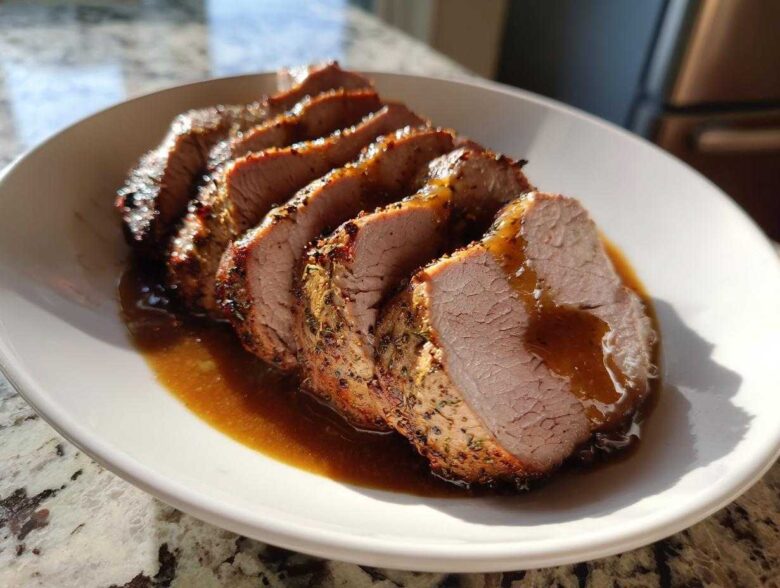
Oh, my friends, forget everything you thought you knew about dry, sad roasts! Leo and I used to have such quiet dinners when we were busy teaching, usually microwaved leftovers. But now, retired and making noise, we’ve perfected the art of the glorious, tender centerpiece. This pork loin roast recipe changed everything for us. It’s incredibly fast, making it perfect for a busy weeknight dinner, yet it has that grand presentation you want for a true sunday roast recipe. Seriously, if you follow just two of our rules here, you’ll have a wonderfully juicy pork loin every single time. Let me show you how simple this magic really is!
Why This Juicy Pork Loin Roast Recipe Works Every Time
Leo often says that simplicity is the secret sauce of a great headline, and I think the same goes for cooking! This pork loin roast is our go-to because it delivers massive flavor without demanding hours in the kitchen. It’s truly an easy pork dinner breakthrough.
- It guarantees a juicy pork loin thanks to our two-stage cooking temperature.
- You get expert results without complex steps; it’s practically foolproof!
- We give you the exact pork loin internal temp you need—no more guesswork about doneness.
- It pairs beautifully with our quick drippy chicken marinade if you want extra surface flavor next time!
Gathering Your Ingredients for the Perfect Pork Loin Roast
You don’t need a pantry full of fancy supplies for this dish, which is why I love it for a last-minute plan! The actual seasoning rub is just a handful of spices you probably already have sitting in your cabinet. Quality matters, especially for the meat itself. Getting a nice, fresh 3-pound bone-out pork loin roast is your first win.
For our simple, flavor-packed dry rub, you’ll need:
- 1 tablespoon of coarse kosher salt (don’t use table salt here, trust me!)
- 1 teaspoon each of that wonderful black pepper, garlic powder, and dried thyme.
- And 1/2 teaspoon of paprika for just a hint of color.
We finish the roast with just 2 tablespoons of good olive oil to help that crust form. Then, for the rich, quick finish, we only need a cup of chicken broth and a tiny bit of cornstarch for the pan sauce gravy. That’s it! Simple stuff for a fantastic result.
Step-by-Step Guide: How to Prepare Your Oven Roasted Pork
Alright, let’s get this wonderful pork loin roast into the oven! The real secret Leo discovered here is the two-temperature approach. We want a quick blast of heat to sear the outside into a lovely crust, and then a slower cook to keep that center perfectly pink and juicy. But before any heat is involved, we have to prep that meat! A dry surface is your best friend here; moisture equals steam, and steam equals no crust. Grab those paper towels and pat that roast down until it feels almost suede-like. Don’t skip this part—it’s where our expertise comes in! If you want to see how we handle another dry-surface favorite, check out our guide on oven-roasted crispy potatoes.
Prepping and Seasoning the Pork Loin Roast
First things first, crank that oven up to 400 degrees Fahrenheit. While it warms up, we mix our simple spices—salt, pepper, thyme, garlic powder, and paprika. Get that olive oil all over the pork loin, making sure every bit is slick. Now, this next part is critical: you must press the spices firmly onto the oiled surface. Don’t just sprinkle! Give it a good rub so that beautiful crust doesn’t fall off halfway through cooking. Once it’s fully seasoned, pop it right into your roasting pan.
Oven Roasting and Hitting the Pork Loin Internal Temp
We start high! Roast that seasoned pork loin fat-side up at 400°F for exactly 15 minutes. This sets the flavor. Then, you need to drop the temperature dramatically down to 350°F. Now we wait, but we don’t guess! You absolutely need a reliable meat thermometer for this step to nail that perfect pork loin internal temp. Keep checking until that thermometer reads 145 degrees Fahrenheit right in the thickest part. Hitting that number guarantees you a fantastic, juicy pork loin. Once you hit 145°F, pull it out immediately, tent it loosely with foil, and please, please let it rest for a full 10 minutes. That rest is non-negotiable for keeping all those wonderful juices locked in!
Creating the Simple Pan Sauce Gravy for Your Pork Loin Roast
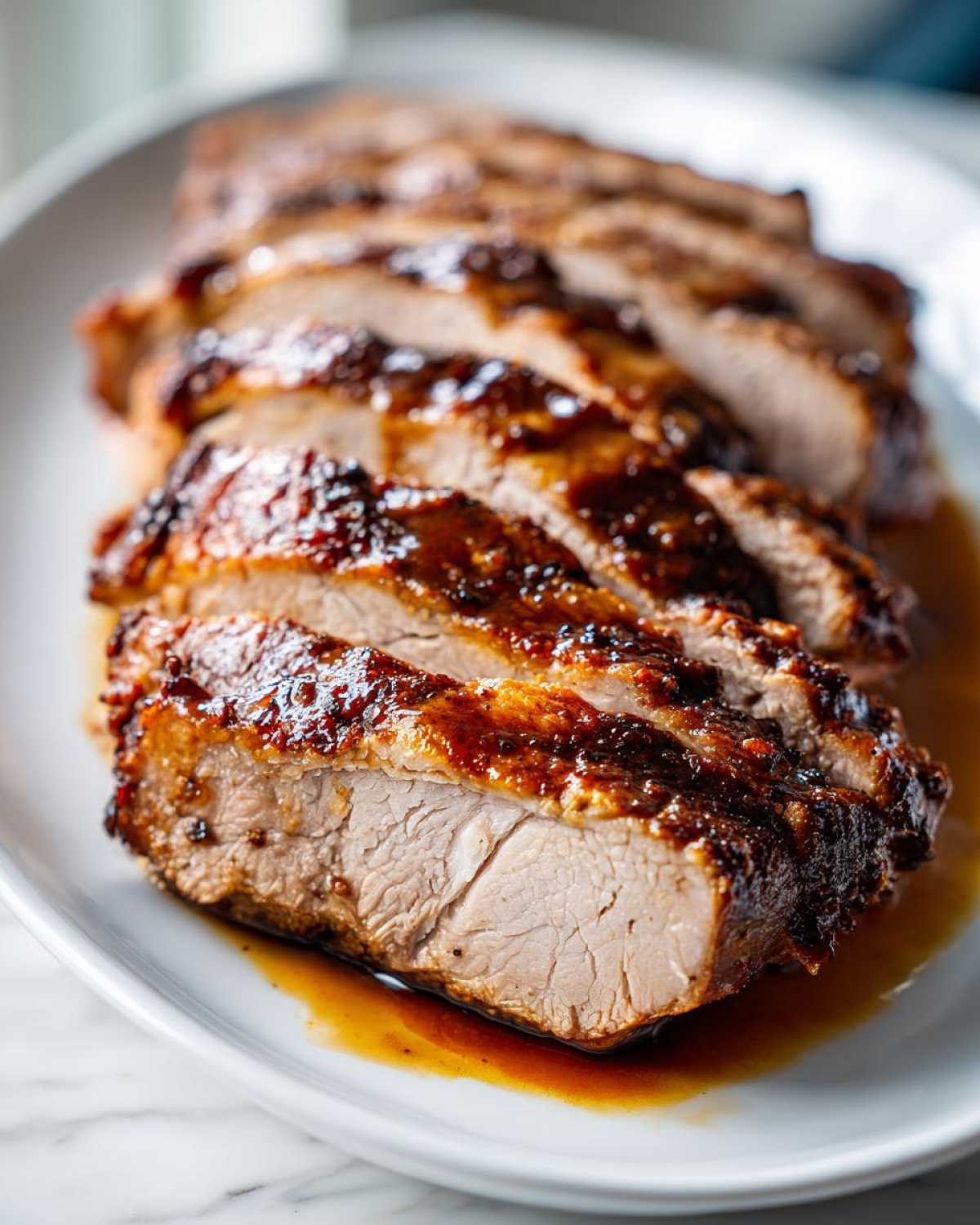
While your beautiful pork loin roast is taking its required nap under the foil—which, remember, is crucial for maximum juiciness—that pan you roasted it in is sitting on flavor gold!
We can’t let those browned bits, that lovely ‘fond,’ go to waste. That’s concentrated flavor waiting to happen. This simple pan sauce gravy is what takes us from a great weeknight meal to a proper *sunday roast recipe* presentation without adding any real time to your cooking marathon.
You’ll need your meat thermometer out of the pork for a moment, but hold onto the roasting pan! If you used a roasting pan, simply place it carefully over a medium burner on the stovetop. If you used an oven-safe skillet, you’re already halfway there! Scrape up all those dark, sticky bits from the bottom using a wooden spoon. That scraping action is the heart of building the flavor base.
Next, pour in that cup of chicken broth and bring it up to a nice simmer, stirring until everything dissolves. Now for the thickening magic! Never dump cornstarch straight into hot liquid—it clumps up faster than Leo trying to assemble IKEA furniture!
Instead, mix the cornstarch with just two tablespoons of cold water in a tiny cup until it’s totally smooth. That mix is called a slurry. Pour that slurry into your simmering broth while whisking non-stop. It thickens up almost immediately! If you want to see how we whip up a lovely quick chicken gravy when we cheat with leftover chicken, you should click over there later. But for now, your pan sauce gravy is ready. Drizzle it generously over those lovely slices when you serve up that incredible pork!
Tips for the Most Tender Pork Loin Roast
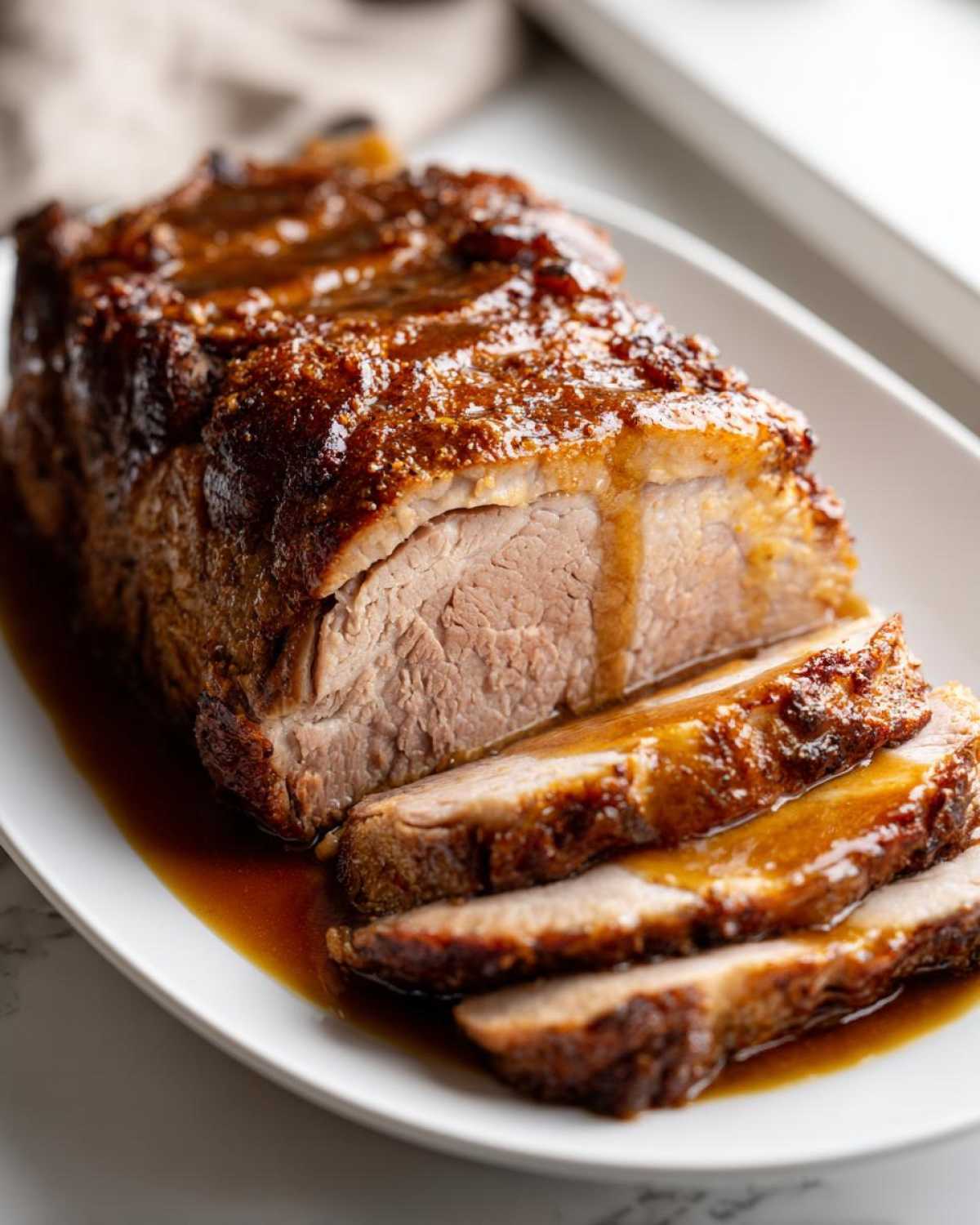
If you take away only two things from our discovery of the perfect pork loin roast, let them be these: temperature management and patience at the end! Leo learned the hard way that rushing leads to dry meat every time. I remember one Tuesday when he was eager to get to his new crossword puzzle; he pulled the roast out early, maybe after only five minutes of resting.
The moment he sliced into it, the juices ran right out onto the cutting board—a flood of wasted moisture! We still ate it, of course, but it lacked that velvety, juicy pork loin texture we know is possible.
So, our first expert tip is this: always let your roast sit out on the counter for about 30 minutes before you even think about seasoning it. Starting closer to room temperature helps it cook evenly. Second, and I can’t stress this enough, respect that minimum 10-minute rest period under the foil. It allows the muscle fibers to relax and reabsorb all those wonderful liquids. It’s the final, crucial step for a tender roast!
Making This an Easy Pork Dinner: Prep and Make-Ahead Options
People think a glorious roast means a complicated evening, but I promise you, this fits right into your desire for an easy pork dinner!
Since the cooking itself is pretty hands-off once it’s in the oven at 350°F, the real time-saver is prepping that spice blend ahead of time. You can whip up a double batch of our salt, pepper, thyme, garlic powder, and paprika mix on Sunday afternoon while you’re chopping veggies for another meal.
Keep it in a tiny shaker jar—Leo keeps his labeled “Roast Dust”—and store it in a cool, dark cupboard. When it’s time to cook on a busy Wednesday night, all you have to do is oil the meat and sprinkle and press! It cuts down that active cooking time to practically nothing.
If you’re looking for another quick fix for those busy nights when even a roast feels like too much, you have to check out our directions for a one-pot sausage and rice skillet. That recipe is chaos contained on one burner, but this pork loin is the perfect balance of impressive and simple!
Serving Suggestions for Your Oven Roasted Pork
Now that you have the star of the show—that beautifully tender, juicy pork loin—it’s time to assemble the whole broadcast, right? A great sunday roast recipe is all about the company it keeps on the plate! Since we have that lovely, rich pan sauce gravy begging to be spooned over something starchy, we need the perfect supporting cast.
My first suggestion, always, is potatoes. You can’t go wrong with a good starch to soak up every drop of that sauce. Leo is obsessed with anything roasted, so we often pair this with our famous recipe for roasted sweet potatoes that come out crispy yet tender. The slight sweetness plays so nicely with the thyme and garlic on the pork, and they roast right alongside the meat for easy cleanup!
For green vegetables, keep it simple and bright. A quick steam or blanch of fresh asparagus tossed with just a whisper of lemon zest really cuts through the richness of the roast. If it’s fall, sautéed green beans or even some roasted Brussels sprouts with a tiny bit of balsamic vinegar thrown in near the end works wonders. You want something that offers a little contrast in texture and a fresh pop of flavor so you can keep going back for more of that pork!
Storing Leftovers of Your Pork Loin Roast
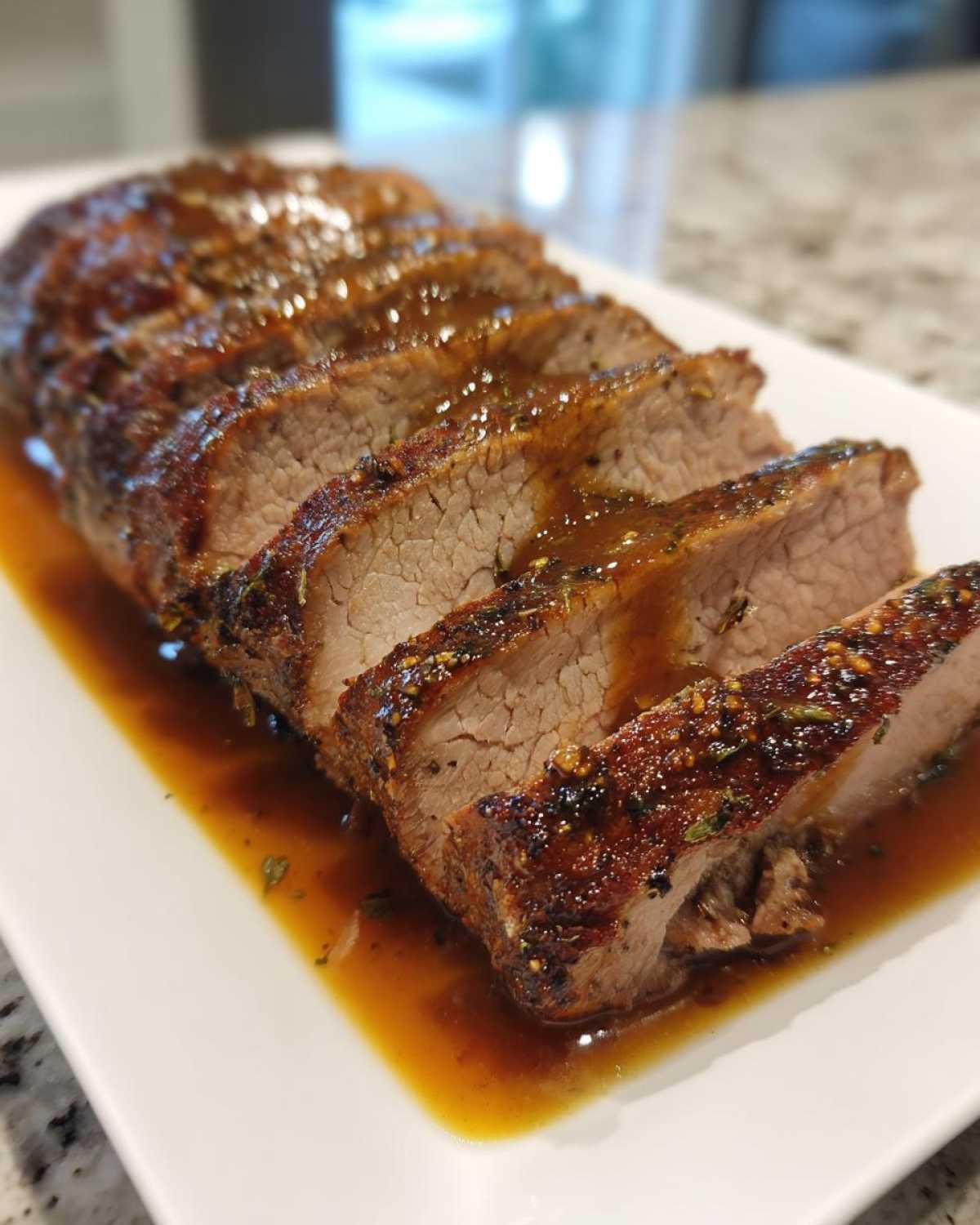
Oh, the leftovers—sometimes they are even better the next day, assuming you managed to keep any of this glorious pork loin roast around! If you happen to have some remaining after dinner, treating it right ensures that your second meal is almost as good as the first.
The absolute key here, especially if you want to keep that tender texture, is preventing air from getting to the meat. Once the roast has cooled completely after resting, slice whatever you plan to eat soon. Store those slices in an airtight container—I prefer glass containers because they warm up more evenly later. You can generally keep these leftovers happy in the refrigerator for about three to four days.
Now, reheating is where people often ruin a perfectly good juicy pork loin! We definitely do not want to put slices back into a hot oven uncovered; that dries them out faster than a library book in the desert sun. Instead, when you’re ready for round two, take just the amount of slices you need.
Place them in a microwave-safe dish. Here’s the trick: pour just a tablespoon or two of plain water or some leftover broth (if you happened to save any of that fantastic pan sauce gravy!) right into the bottom of the dish. Cover the dish tightly with a lid or plastic wrap, leaving just a tiny vent. Microwave it on 50% power for short bursts—maybe 30 seconds at a time—until it’s just warmed through. That little bit of steam keeps the pork moist and tender, exactly how we like it!

Frequently Asked Questions About Cooking Pork Loin Roast
Leo and I get so many questions about this recipe once people try it—and who can blame them? It’s so easy to get hooked on this pork loin roast! We fielded the main ones below so you can serve up this meal with total confidence, whether it’s an impromptu Tuesday dinner or your big picture sunday roast recipe.
What if I don’t have a meat thermometer for the pork loin internal temp?
Oh, I understand! We all have those days when the right tool seems to vanish into thin air. But for a pork loin roast, especially since we are aiming for that perfect, safe, and juicy pork loin result, I really can’t stress this enough: please go get a dependable meat thermometer! Trying to guess doneness based on “clear juices” is how you end up with meat that’s safe but terribly dry.
If you are in an absolute bind and waiting for a thermometer to arrive, the old ‘feel test’ is your only option, but it’s guesswork. You want the thickest part of the roast to spring back slightly when you press it gently during those last few minutes of cooking. However, for true peace of mind and perfect consistency, trust me, a good thermometer that reads the pork loin internal temp accurately is a kitchen investment that pays for itself in deliciousness!
Can I cook this pork loin roast from frozen?
If you can swing it, never roast a pork loin from frozen. It’s one of those cases where patience really does create the best outcome. If you start with frozen meat, the outside will be massively overcooked and tight before the inside even gets warm enough to start safely cooking. You’ll ruin that beautiful spice crust we worked so hard to create!
If you find yourself with a frozen roast and realize you need this for dinner tomorrow, you can thaw it slowly in the refrigerator—that’s the safest method, usually taking about 24 hours for a 3-pound roast. If you need it faster? You can submerge the roast (still sealed in its original packaging) in a large bowl of cold water, changing the water every 30 minutes until it thaws. Then, make sure it’s completely dry before you follow our seasoning steps!
How do I make sure my pork loin roast stays juicy?
This question is music to my ears! Achieving that juicy pork loin texture is what separates a good roast from a legendary one. It all comes down to two specific steps we detail in the instructions above. First, you must remember to pat the entire surface of the raw meat completely dry with paper towels before you apply the oil and seasoning rubs. A dry surface guarantees that beautiful, savory crust and prevents steaming!
The second, equally vital step is the rest period! As soon as that thermometer hits 145 degrees Fahrenheit, pull that pork loin roast out of the heat. Tent it loosely with foil and walk away for a minimum of ten minutes. If you cut into it immediately, all those precious juices rush out onto your cutting board—that’s flavor gone! Resting allows the meat fibers to relax and reabsorb all that moisture, giving you slices that are tender and dripping when you finally carve them.
PrintJuicy Oven Roasted Pork Loin Roast
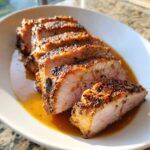
Follow this simple recipe for a tender, juicy pork loin roast cooked perfectly in the oven, complete with instructions for a quick pan sauce.
- Prep Time: 10 min
- Cook Time: 75 min
- Total Time: 85 min
- Yield: 6 servings
- Category: Dinner
- Method: Oven Roasting
- Cuisine: American
- Diet: Low Fat
Ingredients
- 3 lb pork loin roast, bone-out
- 2 tablespoons olive oil
- 1 tablespoon kosher salt
- 1 teaspoon black pepper
- 1 teaspoon garlic powder
- 1 teaspoon dried thyme
- 1/2 teaspoon paprika
- 1 cup chicken broth (for pan sauce)
- 1 tablespoon cornstarch (for pan sauce)
Instructions
- Preheat your oven to 400 degrees Fahrenheit.
- Pat the pork loin roast completely dry with paper towels. This helps create a good crust.
- In a small bowl, mix together the kosher salt, black pepper, garlic powder, dried thyme, and paprika.
- Rub the olive oil all over the pork loin roast.
- Sprinkle the spice mixture evenly over the entire surface of the roast, pressing gently to make it stick.
- Place the seasoned pork loin roast in a roasting pan or a large oven-safe skillet.
- Roast at 400 degrees Fahrenheit for 15 minutes.
- Reduce the oven temperature to 350 degrees Fahrenheit. Continue roasting until the internal temperature reaches 145 degrees Fahrenheit on a meat thermometer, which usually takes about 15 to 20 minutes per pound.
- Remove the roast from the oven when it hits 145 degrees Fahrenheit. Tent it loosely with foil and let it rest for at least 10 minutes before slicing. This resting time is key for a juicy pork loin.
- While the pork rests, make the pan sauce. Place the roasting pan over medium heat on the stovetop (if using an oven-safe skillet, leave it there). Scrape up any browned bits from the bottom of the pan.
- Pour in the chicken broth and bring to a simmer, stirring well.
- In a small cup, whisk the cornstarch with 2 tablespoons of cold water to create a slurry. Pour the slurry into the simmering broth, whisking constantly until the sauce thickens slightly.
- Slice the rested pork loin roast against the grain and serve immediately with the pan sauce gravy.
Notes
- For the best results, start with a roast that is close to room temperature before seasoning and cooking.
- Use a reliable meat thermometer inserted into the thickest part of the roast, avoiding bone, to accurately check for the 145 degrees Fahrenheit internal temp.
- If you prefer a stronger herb flavor, use fresh rosemary instead of dried thyme.
Nutrition
- Serving Size: 4 oz cooked
- Calories: 350
- Sugar: 1
- Sodium: 450
- Fat: 18
- Saturated Fat: 6
- Unsaturated Fat: 12
- Trans Fat: 0
- Carbohydrates: 2
- Fiber: 0
- Protein: 42
- Cholesterol: 110