

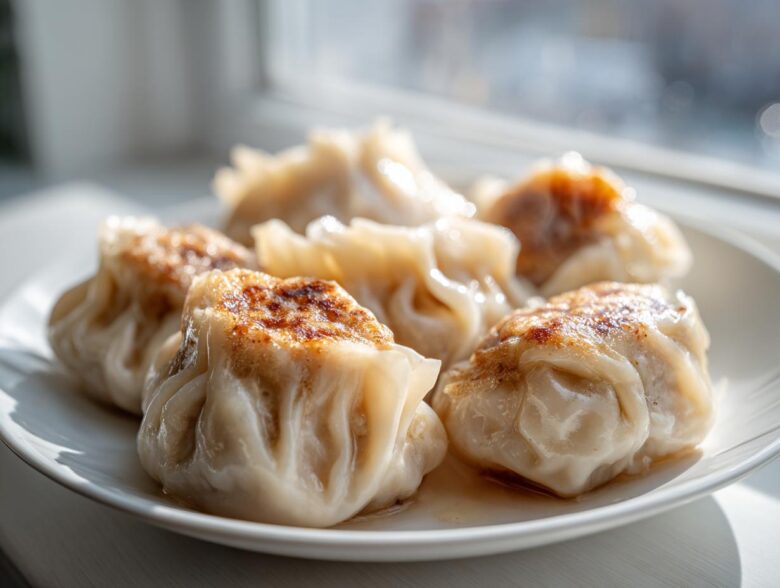
Oh, my dear friend, if there’s one food that wraps you up in a hug and reminds you of home, it has to be a perfectly crimped dumpling! For years, Leo and I were focused on quiet meals, but now our kitchen rings with happy shouting as we make these Traditional Chinese Dumplings completely from scratch. These pork cabbage dumplings are our newfound nightly music, and trust me, learning to make the wrappers yourself changes everything. Forget the store-bought stuff; we’re diving deep into making authentic jiaozi that are freezer-friendly and just waiting for your next gathering. You can read more about how Leo and I discovered this new, loud chapter of our lives over at [About Us](About Us). Come join us at the cutting board; we’ll show you how!
Why This Traditional Chinese Dumplings Recipe Stands Out
I know what you’re thinking—do I really have time to make wrappers from scratch? Leo used to say the same thing! But trust me, once you see and taste the difference, there’s no going back. This recipe for Traditional Chinese Dumplings isn’t just another list of steps; it’s a method that guarantees flavor and texture that store-bought wrappers just can’t touch. It’s beautiful because it’s versatile, too—perfect for a fun family activity during the Lunar New Year or a quick, satisfying dinner on a Tuesday.
- Authenticity guaranteed with Leo’s preferred spice ratio.
- The incredible pliability and chewiness you only get from a fresh, handmade wrapper.
- A sturdy filling that stays juicy whether you boil them or decide to pan-fry later!
The Joy of Homemade Dumpling Wrappers
When you make your own dough, you control everything! Store-bought wrappers are often stiff and tear easily when boiled. Ours become silky smooth and wonderfully chewy. They stretch just enough to cradle the filling without breaking. That slight firmness is the payoff for jumping into the world of homemade dumpling wrappers.
Perfect Pork Cabbage Dumplings Every Time
The secret to the best pork cabbage dumplings isn’t just the meat; it’s the balance. We use a full pound of cabbage against the pork, which keeps things light but packed with flavor. This ratio prevents the filling from getting greasy and ensures every bite of your Traditional Chinese Dumplings is perfectly seasoned with that essential hit of sesame oil and fresh ginger.
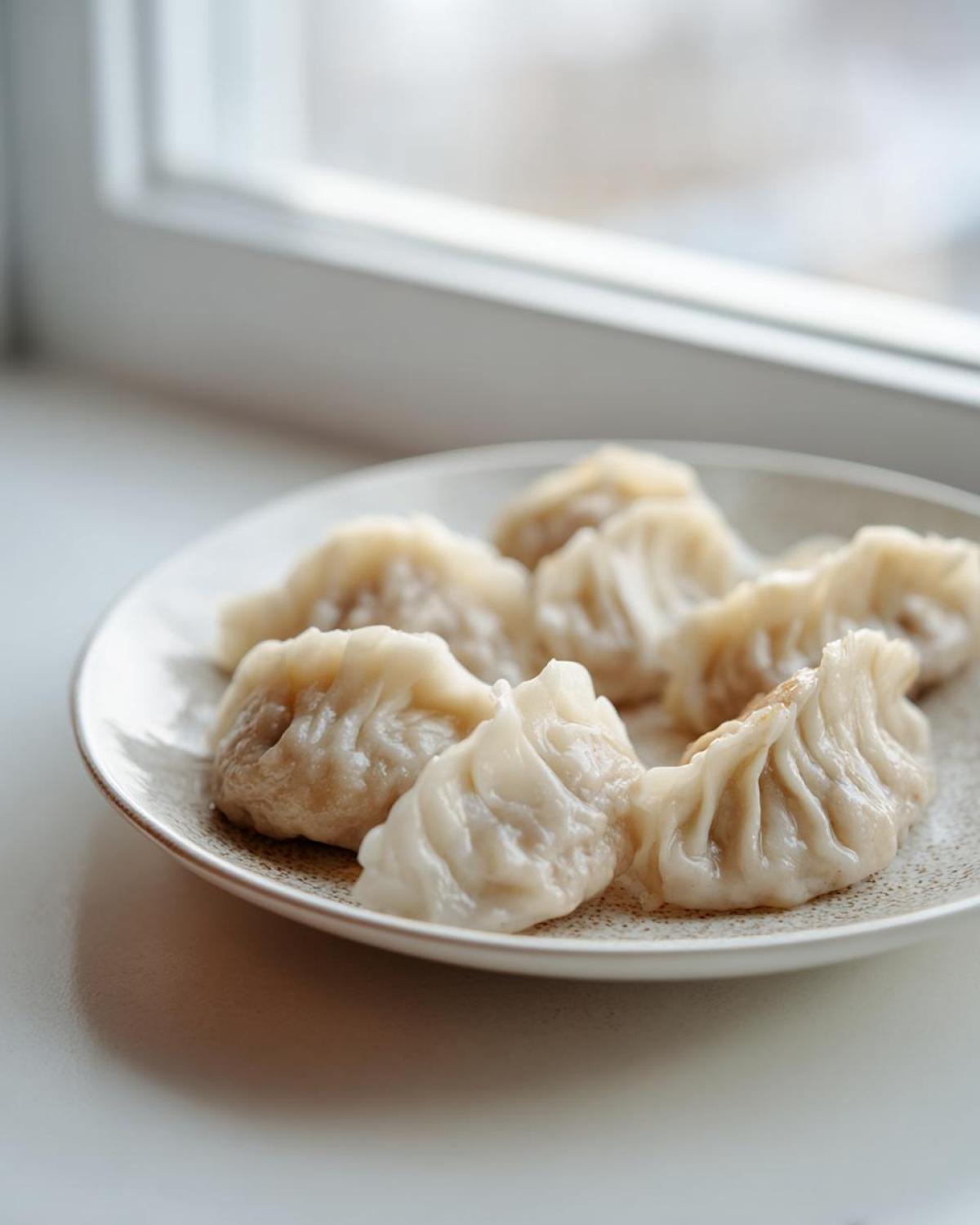
Gathering Supplies for Your Traditional Chinese Dumplings
Now, don’t let the word “from scratch” scare you off! Making these authentic jiaozi doesn’t require fancy restaurant gadgets. It’s mostly about having patience and a clear counter space. Leo doesn’t use anything fancy—he just needs his muscle and a few sturdy basics to get the job done for our weeknight feasts.
Essential Tools for Making Authentic Jiaozi
You’ll need something substantial for mixing that dough, like one of your biggest, sturdiest mixing bowls—no flimsy plastic ones allowed! You also need a decent rolling pin for flattening those wrappers, and of course, a very large pot ready for the boiling stage. Keep your workspace clear; trust me, flour seems to migrate everywhere when you start rolling out discs!
Ingredient Clarity for Perfect Pork Cabbage Dumplings
Okay, let’s get serious about what goes into this magic. Having clear ingredients is my job as the editor—I need to make sure Leo’s magnificent chaos translates perfectly into your kitchen! We aren’t just throwing things together; we need specific amounts for those beautiful homemade dumpling wrappers and a balanced mix for the filling. When everything is measured out, the process moves so smoothly. Remember, precise measurements build trust, which is what we’re all about here at the Tribune!
Dough Ingredients for Homemade Dumpling Wrappers
For the dough, it’s just two true stars: two cups of all-purpose flour and about three-quarters of a cup of warm water. That’s it! The warmth of the water is important; it helps start the gluten development just right, making your dough pliable instead of tough. You want it warm enough to be comfortable to touch, certainly not hot. If it feels a little too dry when you start mixing, just add water a teaspoon at a time until you get that shaggy ball. We want it soft, but not sticky!
Flavor Base for the Traditional Chinese Dumplings Filling
This is where the taste truly explodes! You need a full pound of ground pork, paired with an equal pound of Napa cabbage that has been very, very finely chopped—make sure you squeeze out any excess water after chopping! Then we layer in the flavor: scallions, salty soy sauce, that earthy sesame oil, fresh grated ginger, salt, and a dash of white pepper. That combination is what makes these pork cabbage dumplings taste exactly like my neighbor taught me years ago—truly Traditional Chinese Dumplings.
Step-by-Step Instructions for Traditional Chinese Dumplings
Alright, this is the main event! Rolling out the dough and folding those little packages of deliciousness is where the fun really starts. Leo approaches this part like conducting an orchestra—he gets really focused. Don’t worry if your first few aren’t movie-perfect; making authentic jiaozi is a learned skill, and we’ll guide you through every stage, from the shaggy dough ball to the final seal. If you want to see some of our other kitchen experiments, check out our [main blog page](main blog page)!
Mixing and Resting the Dough for Homemade Dumpling Wrappers
Once you’ve got your flour and water mixed into that rough ball, you need to get to work! Turn it out onto a clean counter and knead, knead, knead! We aim for a solid 8 to 10 minutes of firm work until that dough is smooth and happy. This builds the structure. Once it’s smooth, cover it up, and here’s my absolute non-negotiable tip: you MUST let it rest for 30 minutes. Seriously, don’t skip this! Resting allows the gluten to relax, and when you go to roll it later, it won’t shrink back on you. It makes rolling those homemade dumpling wrappers infinitely easier.
Creating the Flavorful Pork Cabbage Dumplings Filling
When combining the pork, cabbage, and all those lovely seasonings, you need to mix it thoroughly until it gets just slightly sticky. Leo insists that you mix everything in one consistent direction—he swears it develops the proteins just right and stops the filling from being crumbly. Once it starts resisting your spoon just a tiny bit and holds its shape, you’re done! Don’t overmix, but make sure that ginger is evenly distributed!
Rolling, Filling, and Pleating Your Authentic Jiaozi
Take your rested dough and rope it out—about an inch thick—then slice it into those little 1-inch bites. Roll each piece into a circle about three inches across. Here’s the trick: keep the very center of the wrapper slightly thicker than the edges. When you fill, use about a teaspoon of pork mixture, moisten the edge with a tiny bit of water, and fold it into a half-moon. Now for the fold: press the top edge together, and then create little accordion pleats along one side, pressing them firmly against the flat back edge until you have a tight, secure seal. That tight seal keeps the juices in when you boil them!
Cooking Method for Boiled Chinese Dumplings
Get a massive pot of water boiling—we mean a full, rolling, happy boil! Drop your boiled Chinese dumplings in gently so they don’t smash against each other. Don’t crowd the pot! They cook quickly, usually taking about 5 to 7 minutes. You’ll know they’re done when they float right to the top and look plump and shiny. If you want to try them pan-fried later (potstickers!), you can boil them first and then give them a quick sear! Head over to this post if you want a great example of how we use our stovetop for other recipes, like our [Stovetop Chili](Stovetop Chili)!
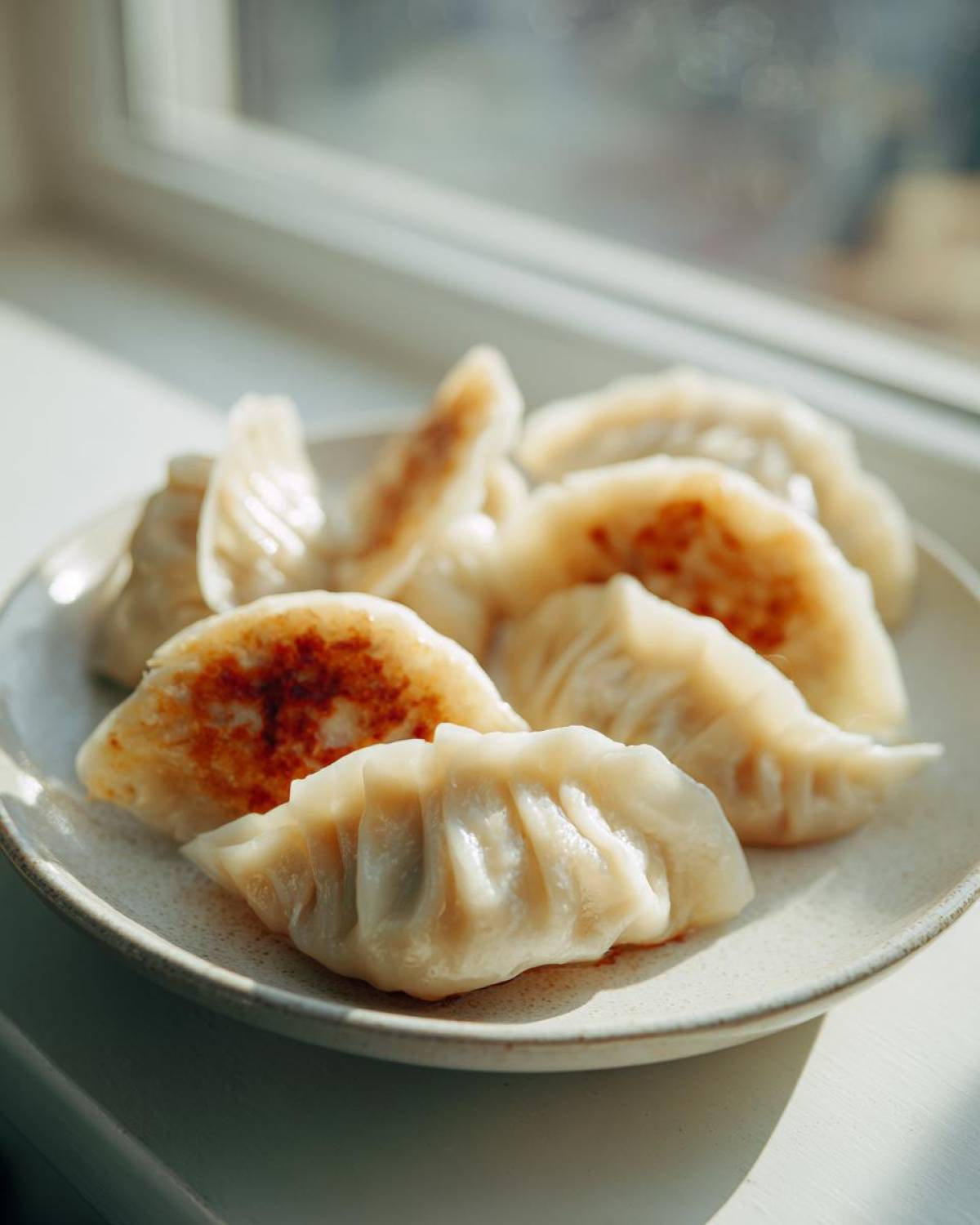
Tips for Success When Making Traditional Chinese Dumplings
Even with the best recipe, sometimes things get a little wonky in the kitchen—that’s just part of the adventure! Leo and I have certainly wrestled with dough that decided it didn’t want to cooperate. Don’t panic if your first few attempts aren’t perfect; that’s the joy of learning to make something truly authentic. We’ve learned a few things over the years that can rescue your batch when you least expect it. If you ever need advice on using your stovetop for other things, like hearty meals, check out my post on [Stovetop Chili](Stovetop Chili).
Troubleshooting Common Issues with Dumpling Dough
If your dough feels stiff and won’t roll nicely, it usually means it’s too dry or didn’t rest long enough. Don’t throw it out! Just cover it back up and let it sit another 15 minutes. If it’s tearing badly while you’re folding, the edges might be too thin. For next time, remember to roll the center thicker. If the dough cracks when handling, add just a few drops of water to the stressed area and gently massage it in, then let it rest again. It listens to encouragement, I promise!
Make-Ahead and Freezer Friendly Dumplings Instructions
This is my absolute favorite part, and I hope it becomes yours too! If you’re planning for the Lunar New Year or just want to be prepared when a dumpling craving hits, you MUST make extra. Having these uncooked parcels ready in the freezer is a lifesaver. Leo often jokes that having a stash of Traditional Chinese Dumplings means we never have to order takeout! Knowing how to handle these helps you get the most out of your effort.
The key to successful freezer dumplings is speed and separation. You cannot just dump them in a bag—they’ll freeze into one giant, delicious, inedible brick! First, make sure your boiled dumplings were never boiled, meaning you freeze them raw. Arrange your perfectly pleated authentic jiaozi on a baking sheet lined with parchment paper. Make sure they aren’t touching at all; give them some space to breathe.
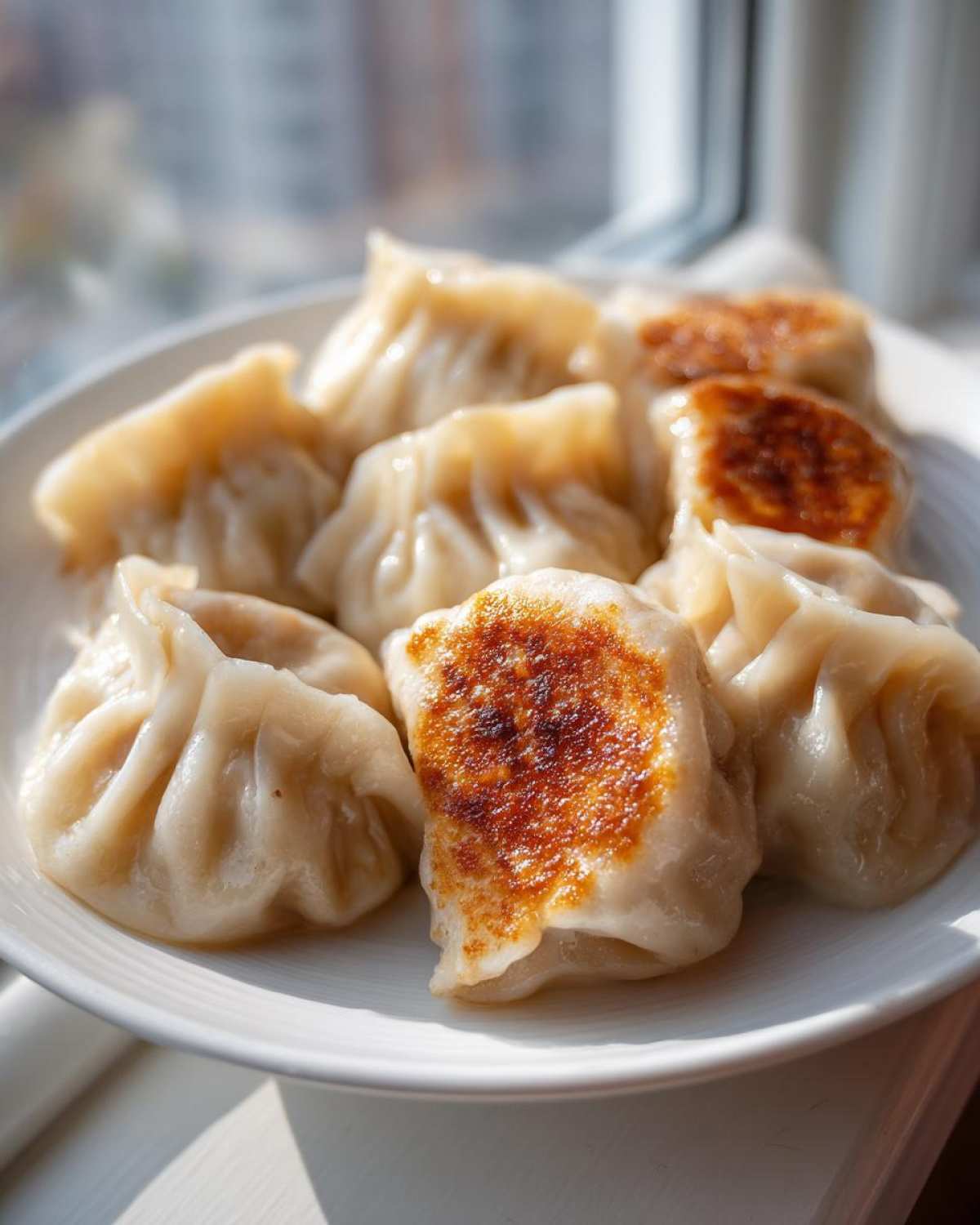
Pop that whole tray into the freezer and let them freeze completely solid—this usually takes about an hour or two, depending on how cold your freezer is. Once they are rock hard, you can quickly transfer them all into a heavy-duty, zip-top freezer bag. Squeeze out as much air as you can before sealing tightly. These freezer friendly dumplings will keep beautifully for months. When you cook them straight from frozen, just remember to add about two or three extra minutes to that boiling time we talked about!
Serving Suggestions for Your Boiled Chinese Dumplings
When those boiled Chinese dumplings float up in the pot, plump and ready, the meal isn’t quite complete without the right supporting cast! Leo and I agree that the dipping sauce makes or breaks the experience. It needs to be sharp, savory, and give just a little kick to balance the richness of the pork filling. It’s so simple, yet so crucial for that authentic restaurant feel.
You don’t need to buy some fancy imported jar, either. We mix up a tiny batch right at the table in small ramekins. The base is always good quality soy sauce—it has to be quality soy sauce! Then, you cut that with a bit of Chinese black vinegar. That vinegar adds a depth and tang that plain white vinegar just can’t manage.
And for the music, the little bit of spice! I always add a tiny drizzle of sesame oil for aroma, but the real excitement comes from chili oil. We love the kind where you get those nice crispy flakes suspended in the red oil. Mix those four components—soy sauce, vinegar, sesame oil, and chili oil—to your personal taste, making sure you have enough for dipping every single one of your Traditional Chinese Dumplings. It’s honestly the perfect finishing touch to our wonderful meal.
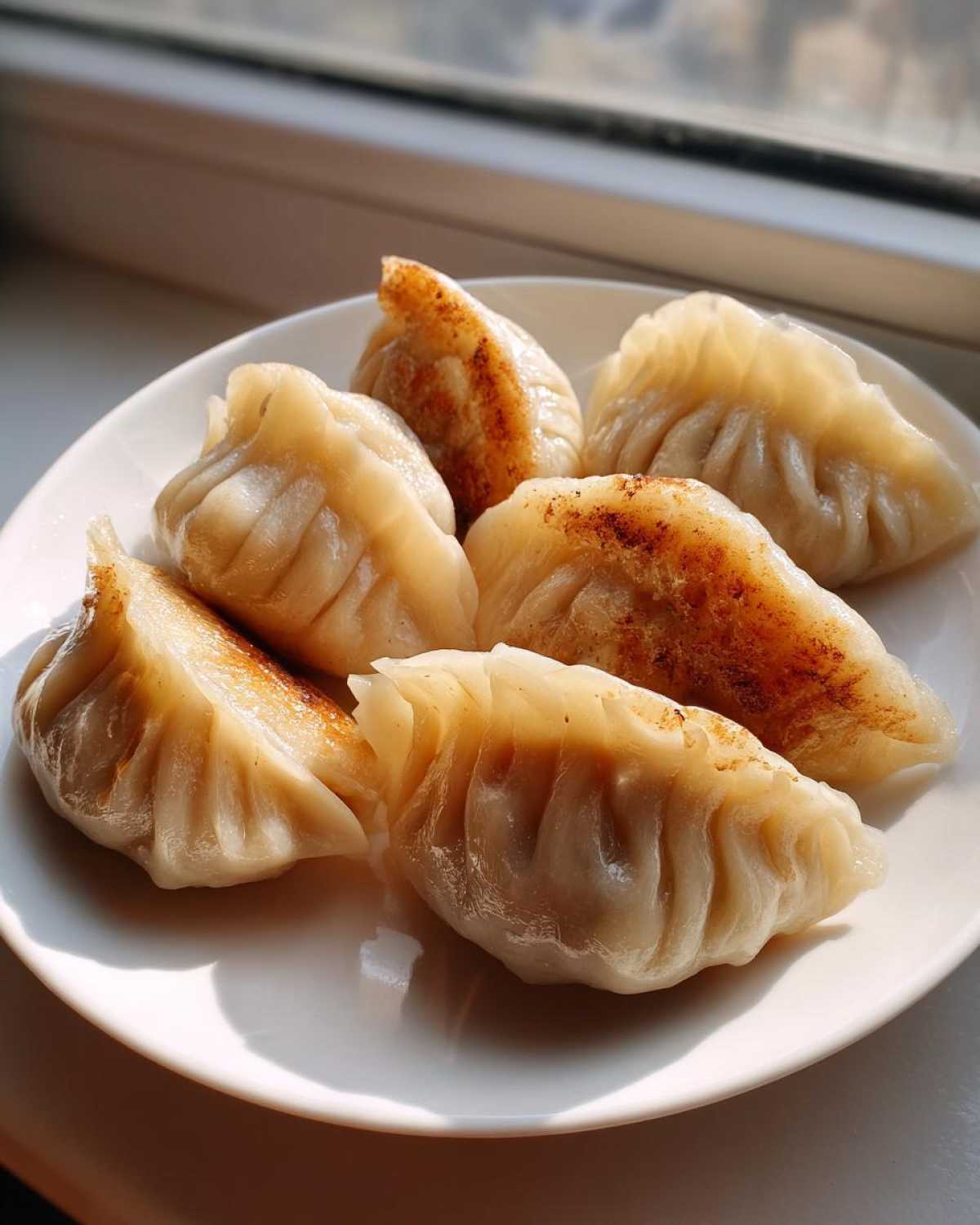
Frequently Asked Questions About Authentic Jiaozi
Leo always tells me to write this section because he says readers have the best questions right after they’ve eaten something delicious! We get so many notes about making these recipes work in real life, especially when planning big meals for holidays. If you’re looking for more hearty, easy meal ideas that freeze well, you should definitely take a look at my recipe for [Chicken Corn Chowder](Chicken Corn Chowder)! Here are some of the most common things we hear about our authentic jiaozi.
Can I use store-bought wrappers for these Chinese dumplings recipe?
Well, I won’t pretend I’m not biased towards those glorious homemade dumpling wrappers, but listen: life happens! If you truly need a shortcut, yes, you absolutely can grab store-bought wrappers for your Chinese dumplings recipe. However, I need to give you a fair warning. The texture simply won’t be the same. Store-bought wrappers often lack the delicious, soft chewiness that fresh dough provides. They can sometimes feel a bit gummy when boiled Chinese dumplings. If you use them, watch them carefully as they cook, as they tend to need a slightly shorter time!
What is the best way to reheat leftover boiled Chinese dumplings?
This is a great question, especially if you’ve made a huge batch, which I strongly encourage! If you have leftover cooked dumplings, the goal is to wake them up without turning them into mush. My favorite way to reheat boiled Chinese dumplings is by steaming them. Place them in a steamer basket over simmering water for about five minutes until they are warmed through completely. If you’re feeling frisky and want some texture, you can certainly pan-fry them afterward! Just reheat gently in the steamer first, then sear the bottoms in a hot skillet with a touch of oil until they are golden and crispy. That gives you the best of both worlds!
Are these pork cabbage dumplings suitable for Lunar New Year?
Oh, absolutely, 100%! These pork cabbage dumplings are the quintessential food for celebrating the Lunar New Year. In fact, making and sharing lunar new year dumplings is a tradition meant to bring prosperity and good fortune for the coming year because their shape resembles ancient Chinese money! Leo and I always try to make at least 100 of them because the effort is part of the blessing. They are far more than just a meal; they are a centerpiece of the celebration!
Storage and Reheating Instructions
Now that you’ve put so much love into folding these beautiful Traditional Chinese Dumplings, we need to talk about keeping them safe until they make it to the table! Whether you’re cooling them down for tomorrow’s lunch or planning way ahead for a big holiday like the Lunar New Year, storage is key. We find that once you get the hang of making them, you’ll naturally want to double the batch just so you can enjoy those wonderful freezer friendly dumplings later on. It saves so much time!
For short-term storage—say, if you plan to cook them the next day—I just pop the finished, uncooked dumplings onto a plate, cover them loosely with plastic wrap, and stick them right into the refrigerator. They do best stored this way for no more than 24 hours. Remember, moisture is the enemy here, so keep them covered but not airtight so they don’t get soggy.
But the real magic is freezing them! As I mentioned before, freezing uncooked dumplings is the way to go for the best texture later. Just follow that parchment paper method meticulously to ensure they don’t stick together. Once they are rock solid, transfer those freezer friendly dumplings into a heavy-duty freezer bag. I always label the bag with the date and contents—I’m an archivist, after all, I can’t help myself! They stay perfect for about three months this way. When you cook them straight from frozen, just remember that little extra time in the boiling water until they float and look plump again. Having a stash of authentic jiaozi ready to go is the best kind of pantry stocking!
PrintAuthentic Pork and Cabbage Jiaozi (Traditional Chinese Dumplings)
Learn to make delicious, traditional Chinese dumplings from scratch, complete with homemade wrappers and simple pleating instructions. These pork cabbage dumplings are perfect for Lunar New Year or any weeknight meal.
- Prep Time: 45 min
- Cook Time: 10 min
- Total Time: 55 min
- Yield: About 40 dumplings
- Category: Main Course
- Method: Boiling
- Cuisine: Chinese
- Diet: Low Fat
Ingredients
- 2 cups all-purpose flour
- 3/4 cup warm water (plus more if needed)
- 1 pound ground pork
- 1 pound napa cabbage, finely chopped
- 1/4 cup chopped scallions
- 2 tablespoons soy sauce
- 1 tablespoon sesame oil
- 1 teaspoon grated fresh ginger
- 1 teaspoon salt
- 1/2 teaspoon white pepper
Instructions
- Make the dumpling wrappers: In a large bowl, combine the flour and warm water. Mix until a shaggy dough forms. Knead on a lightly floured surface for 8 to 10 minutes until smooth. Cover the dough with a damp cloth and let it rest for 30 minutes.
- Prepare the filling: In a separate bowl, combine the ground pork, chopped napa cabbage, scallions, soy sauce, sesame oil, ginger, salt, and white pepper. Mix thoroughly until the ingredients are well combined and slightly sticky.
- Roll the wrappers: Divide the rested dough into four equal pieces. Roll each piece into a long rope, about 1 inch thick. Cut the ropes into 1-inch pieces. Roll each piece into a thin circle, about 3 inches in diameter, keeping the edges slightly thinner than the center.
- Fill and fold: Place about 1 teaspoon of filling in the center of a wrapper. Moisten the edges with water. Fold the wrapper in half over the filling to create a half-moon shape. Pleat the edges together to seal the dumpling securely.
- Cook the dumplings: Bring a large pot of water to a rolling boil. Gently drop the dumplings into the boiling water, ensuring they do not stick together. Cook for 5 to 7 minutes, or until the dumplings float and the filling is cooked through.
- Serve immediately with your favorite dipping sauce.
Notes
- For freezer friendly dumplings: Arrange uncooked dumplings on a baking sheet lined with parchment paper, ensuring they do not touch. Freeze until solid, then transfer to a freezer bag. Cook directly from frozen, adding 2 to 3 minutes to the cooking time.
- If you prefer pan-fried dumplings (potstickers), boil them first as instructed, then sear them in a lightly oiled skillet until the bottoms are golden brown and crisp.
- You can substitute ground chicken or turkey for the pork if you prefer a lighter flavor.
Nutrition
- Serving Size: 5 dumplings
- Calories: 220
- Sugar: 1
- Sodium: 350
- Fat: 10
- Saturated Fat: 3
- Unsaturated Fat: 7
- Trans Fat: 0
- Carbohydrates: 20
- Fiber: 1
- Protein: 14
- Cholesterol: 45