

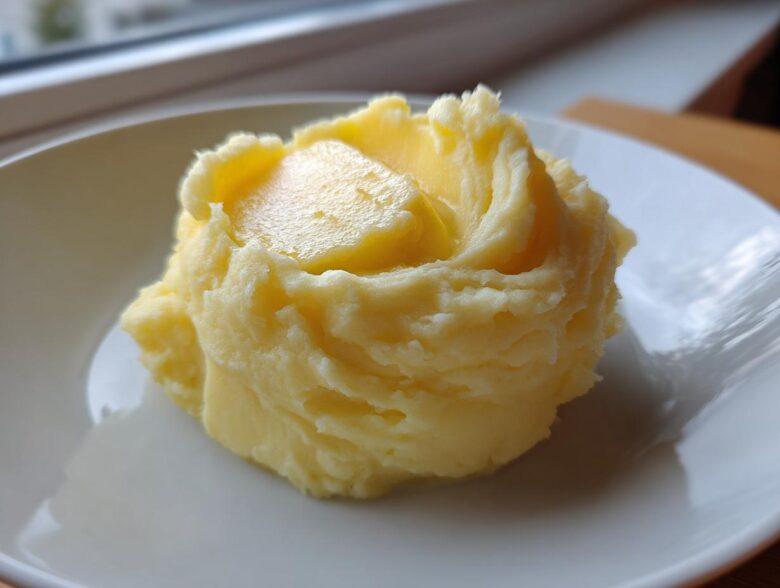
If there is one side dish that can make or break a whole holiday meal, it’s mashed potatoes. People try to get fancy, but honestly, all I ever want on my plate is a big scoop of the creamy mashed potatoes—and I mean truly, decadently creamy. For years, I struggled with potatoes that were too watery, too gluey, or just flat-out lumpy. Trust me, I’ve been there, staring sadly at a bowl of disappointing spuds. But after years of tinkering, I finally cracked the code to the ultimate ultra-creamy texture! This recipe isn’t just about throwing things in a pot; it’s about respecting the potato, understanding the steam, and loving the richness. I’m so excited for you to try this technique. If you want to know the easiest way to make them silky smooth, stick around—I think you’ll love what my method brings to your dinner table.
Why This Recipe Delivers the Ultimate Creamy Mashed Potatoes
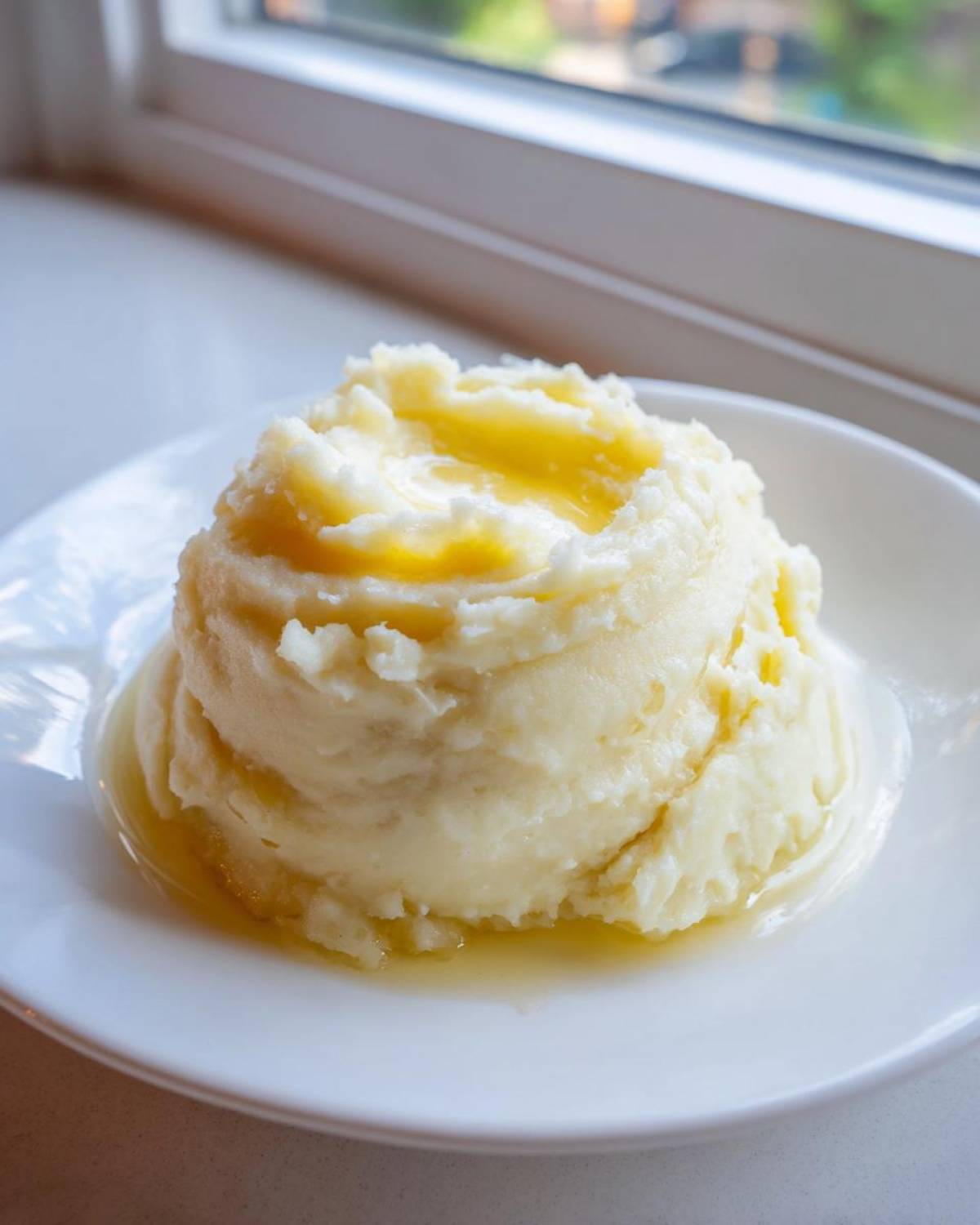
The secret to truly amazing mashed potatoes isn’t just about adding more butter, although that certainly helps! It’s about making smart choices right from the start. We’re building deep texture here, not just a fluffy side dish. If you’re aiming for those dreamy, silky smooth potatoes you usually only see at fancy steakhouses, you have to focus on two main things: the right kind of potato and getting rid of extra water. I promise, mastering these small points is the difference between average and having people ask you for your recipe for the best mashed potatoes recipe.
The Importance of Yukon Gold Mashed Potatoes
Forget Russets for this round, even though they are great for everything else. Yukon Golds are your best friend when you want that inherent creaminess. Why? They naturally hold more moisture and have a higher butterfat content compared to the drier Russets. This means they mash up beautifully dense and naturally buttery without needing you to beat them into submission. They give you a head start on creating that rich, steakhouse mashed potatoes vibe!
Techniques for Lump Free Mashed Potatoes
Once you have the right spud, technique takes over. You can dump in a whole stick of butter and still end up with a sloppy mess if you skip these crucial steps. We are going to spend time letting the steam escape from the potatoes after draining—this is non-negotiable for lump free mashed potatoes! Also, always, always warm your heavy cream before adding it. Cold liquid shocks the starch and stops that beautiful incorporation process dead in its tracks. We’ll cover those drying steps in detail later, but know that they are the key to perfection.
Gathering Ingredients for Creamy Mashed Potatoes
Okay, now that we’ve talked about *why* these potatoes are so special, let’s get our supplies ready. The ingredient list for creamy mashed potatoes looks simple, but trust me on the details here—they matter! We are using a generous amount of unsalted butter, and you absolute must cut it into little pieces before you start cooking. This helps it melt evenly and incorporate smoothly as everything heats up.
The other non-negotiable is warming up the heavy cream. If you just pour cold cream straight from the fridge in, you’ll cool down your potatoes way too fast, and we want them piping hot for that ultimate luxurious feel. A quick 30 seconds in the microwave does the trick, but don’t let it boil!
Ingredient Notes and Substitutions for Creamy Mashed Potatoes
When it comes to the rich dairy, if you absolutely can’t rock the heavy cream, whole milk is passable, but I won’t lie—it will result in a slightly less rich texture. You’ll need a bit more of it to get the right consistency. For the butter, stick strictly to unsalted so you can control the salt level yourself; salted versions can make them too unpredictable. And while I popped in one clove of garlic for flavor in the main recipe, if you want that deep, sweet note instead of a sharp bite, try roasting a whole head separately and mashing those soft cloves right in. That roasted garlic variation makes for an incredible flavor profile in your creamy mashed potatoes!
If you need to talk about ingredient sourcing or check in on substitution ratios, feel free to reach out to me on the contact page. I love hearing what swaps people try!
Step-by-Step Guide: How to Make Creamy Mashed Potatoes
This is it, the moment we turn humble potatoes into gold! Following the instructions exactly is how we guarantee you get those creamy mashed potatoes that everyone fights over. Don’t rush the cooking, and definitely don’t skip the drying part. We need potatoes that absorb the dairy, not water!
Preparing and Cooking Potatoes for Creamy Mashed Potatoes
First things first: peel those Yukon Golds and cut them into big, even quarters. We want them to cook uniformly, right? Now, listen closely: put those cut potatoes into a big pot. Cover them with cold water—and I mean genuinely cold water—so that the water is about an inch over the top of the potatoes!
Next, we need to season the water itself. Add a generous tablespoon of salt to the water. Yes, a whole tablespoon! The potatoes absorb that salt while they cook, which seasons them from the inside out. Bring that water up to a full boil over high heat, and then immediately turn it down. We want a steady, gentle simmer, not a violent rolling boil. They should take about 15 to 20 minutes until they feel completely tender when you pierce them with a fork. Don’t overcook them until they start falling apart, though!
Drying Potatoes: Key to Velvety Side Dish Texture
This next part is the magic trick for making them wonderfully fluffy and achieving that gorgeous velvety side dish texture. As soon as they are tender, drain them all out into a colander. Let them sit there for a good solid five minutes over the sink. Seriously, walk away, check your phone—just let that steam escape!
After those five minutes, you need to put the drained potatoes back into the now-hot, empty pot. Put that pot back on the absolute lowest heat setting for only about one minute. Shake the pot gently while it’s on the heat. This final quick blast evaporates any clinging surface moisture that didn’t get out during the draining. If you skip drying, you get soup, not potatoes, so please don’t skip this!
Mashing and Incorporating Dairy for Silky Smooth Potatoes
Okay, pot off the heat now! Add your butter pieces—remember, they should be room temp and waiting—along with the salt and pepper, and that optional minced garlic. Mash everything thoroughly with your potato masher until it looks mostly uniform. This is where you can get 90% of the way to silky smooth potatoes.
Now for the warmed heavy cream! Pour it in slowly, bit by bit, as you continue to carefully mix or whip by hand. Mix just until everything comes together and you hit that perfect, decadent creaminess. Stop mixing the second it looks right! If you keep beating potatoes once the liquid is in, you agitate the starch too much, and poof—they turn gluey and heavy. If you really want legendary texture, use a potato ricer after drying step 2, but a good heavy mashing works too!
You can check out more advanced tips and tricks over on my latest blog posts if you want to dive deeper into perfecting your sides!
Tips for Success with Your Creamy Mashed Potatoes
We’ve gone through the whole process, but I want to make sure you nail the execution every single time you make these creamy mashed potatoes. A few quick reminders on temperature and tools will guarantee you’re serving perfection.
The biggest one that people always forget—unless you’re preparing for a huge crowd—is warming that heavy cream. Seriously, if you add cold dairy, the potatoes will stop being hot and start becoming dense almost instantly. Warm cream melts seamlessly into the hot starches, which is exactly what we need for that luxurious feel. Don’t let them cool down!
Also, remember that mashing tool choice is huge for texture control. While my grandmother always just used a sturdy masher, if you want that absolutely flawless, restaurant-quality result, invest in a potato ricer. A ricer cuts through the cooked potato without crushing the starch cells, which stops the gluey texture dead in its tracks. Don’t put them in a food processor ever, or you’ll end up with wallpaper paste instead of a side dish!
If you want to see another recipe where temperature control is absolutely key, you should definitely check out this amazing quick ramen hack—it’s all about that heat management!
Storage and Reheating Creamy Mashed Potatoes
So, what happens when you have leftovers of the creamy mashed potatoes? Because, let’s be honest, sometimes we make too much specifically just to have them the next day! You can certainly save them, but you have to treat them gently during storage and reheating if you want them to retain that velvety texture.
First, get them into an airtight container right after they cool down a bit—like, within two hours maximum. Don’t leave them sitting on the counter too long, even though they look tempting! In the fridge, these babies last about three to four days. Any longer than that, and you risk the texture taking a serious hit.
Now for the revival process. I strongly advise against the microwave if you can help it. Microwaving tends to heat them unevenly and can make the remaining starches seize up quicker, resulting in dry edges and stiff centers.
The absolute best way to bring stiff mashed potatoes back to life is on the stovetop. Transfer your cooled potatoes to a heavy-bottomed pot over low heat. You absolutely must add a splash of extra liquid—either milk or cream, warmed up first, just like we did in the original recipe. Stir gently and continuously until they are smooth and heated through. This slow addition of warm liquid rehydrates them perfectly.
If you are in a huge rush and have to use the microwave, use it on 50% power in short 30-second bursts, stirring vigorously between each burst and adding a tiny splash of warm milk each time until they loosen up. Don’t forget to check out the site disclaimer when you have a moment for ingredient sourcing notes!
Frequently Asked Questions About Creamy Mashed Potatoes
I get so many questions every time I post these potatoes around the holidays, which just proves how much everyone loves a great side dish! Here are a few of the most common things people ask when trying to achieve that super-smooth texture.
Can I substitute heavy cream in this best mashed potatoes recipe?
You totally can, but you have to know what you’re sacrificing! The heavy cream is what gives you that rich, decadent mouthfeel that screams best mashed potatoes recipe. If you use whole milk, your potatoes will still be good, but they’ll be lighter and definitely less luxurious. Half-and-half moves you closer to the goal but still won’t deliver the sheer velvetiness that heavy cream does. If you use skim milk, sorry, but you’ll end up with something sadly thin!
How do I prevent my creamy mashed potatoes from becoming gluey?
Glued-up potatoes are the absolute tragedy of the side dish world, and it almost always comes down to two things we’ve talked about! First, make sure you are using Yukon Golds, as drier potatoes like Russets release more starch when mashed, making them gummy fastest. Second, stop mixing the second the liquid is incorporated. You need to be firm but brief when incorporating the dairy! If you use an electric mixer for longer than a quick blend, you’re probably overworking the starch. Be firm but brief when incorporating the dairy!
If you’re curious about our policies regarding recipes and ingredients, you can always check out the privacy policy linked below!
Nutritional Estimates for This Comfort Food Recipe
I always get a few questions about the nutrition because these potatoes are so rich—and let’s be honest, they are pure comfort food, so we aren’t aiming for diet food here! But, for those of you tracking things, I wanted to give you a rough idea of what’s in a standard serving of these creamy mashed potatoes.
Please keep in mind that these numbers are just estimates. They are calculated based *exactly* on the ingredients list I gave you, using standard unsalted butter and 35% heavy cream, and divided for six decent servings. If you use margarine instead of butter, or if you use half-and-half, those numbers are going to shift!
Here’s the quick breakdown per serving:
- Calories: About 350
- Fat: Roughly 22 grams (Yep, that’s where the creaminess comes from!)
- Carbohydrates: Around 34 grams
- Protein: About 5 grams
These are meant to be a decadent side, so enjoy them responsibly!
If you want to read more about how we source our nutritional data or what goes into those calculations, you can check out the cookie policy information linked at the bottom of the page. Happy eating!
Share Your Ultimate Creamy Mashed Potatoes Experience
Seriously, I’ve given you everything I know about achieving those perfect, luxurious, creamy mashed potatoes—from warming the cream to drying out the spuds! But the recipe isn’t truly finished until you’ve made it your own and told me how it went for you.
I’d be thrilled if you tried this version for your next big gathering or just for a cozy weeknight dinner. Did you manage to get that silky smooth texture without even touching a potato ricer? What did you serve them with? Don’t keep your successes (or even your little learning moments!) a secret!
Please take a second to hop down to the comments section below and leave a rating. Hearing what worked well for your specific batch of Yukon Golds really helps me and other readers. And if you snap a picture of that beautiful, creamy mound on your plate, tag me on social media! I absolutely live for seeing my recipes on your dinner tables. I can’t wait to see your results!
If you have any final, specific questions about temperature or ingredients that I didn’t cover, just send them my way through the contact link. Happy mashing!
PrintThe Ultimate Ultra-Creamy Mashed Potatoes
Follow these steps to make silky smooth, lump-free mashed potatoes using Yukon Gold potatoes, heavy cream, and butter for a rich texture.
- Prep Time: 15 min
- Cook Time: 20 min
- Total Time: 35 min
- Yield: 6 servings
- Category: Side Dish
- Method: Boiling and Mashing
- Cuisine: American
- Diet: Vegetarian
Ingredients
- 3 lbs Yukon Gold potatoes, peeled and quartered
- 1 cup heavy cream, warmed
- 8 tablespoons unsalted butter, cut into pieces
- 1 teaspoon salt, plus more for boiling water
- 1/2 teaspoon black pepper
- 1 clove garlic, minced (optional)
Instructions
- Place the peeled and quartered potatoes in a large pot. Cover them with cold water by about one inch. Add 1 tablespoon of salt to the water.
- Bring the water to a boil over high heat. Reduce the heat to maintain a steady simmer. Cook until the potatoes are fork-tender, about 15 to 20 minutes.
- Drain the potatoes completely in a colander. Let them sit for 5 minutes to allow excess steam to evaporate. This step helps prevent watery potatoes.
- Return the drained potatoes to the hot, empty pot. Place the pot over low heat for 1 minute, shaking gently to dry them further.
- Remove the pot from the heat. Add the butter pieces, salt, pepper, and minced garlic (if using). Mash the potatoes thoroughly using a potato masher until mostly smooth.
- Gradually pour in the warmed heavy cream while continuing to mix or whip until you reach your desired creamy consistency. Do not overmix, as this can make the potatoes gluey.
- Taste and adjust salt and pepper as needed before serving immediately.
Notes
- Warming the heavy cream before adding it helps keep the potatoes hot and incorporates better.
- For the creamiest texture, use a potato ricer instead of a masher after drying the potatoes.
- Yukon Gold potatoes naturally contain more starch and butterfat, which contributes to a naturally creamy result.
Nutrition
- Serving Size: 1 serving
- Calories: 350
- Sugar: 3
- Sodium: 350
- Fat: 22
- Saturated Fat: 14
- Unsaturated Fat: 8
- Trans Fat: 0.5
- Carbohydrates: 34
- Fiber: 3
- Protein: 5
- Cholesterol: 65