

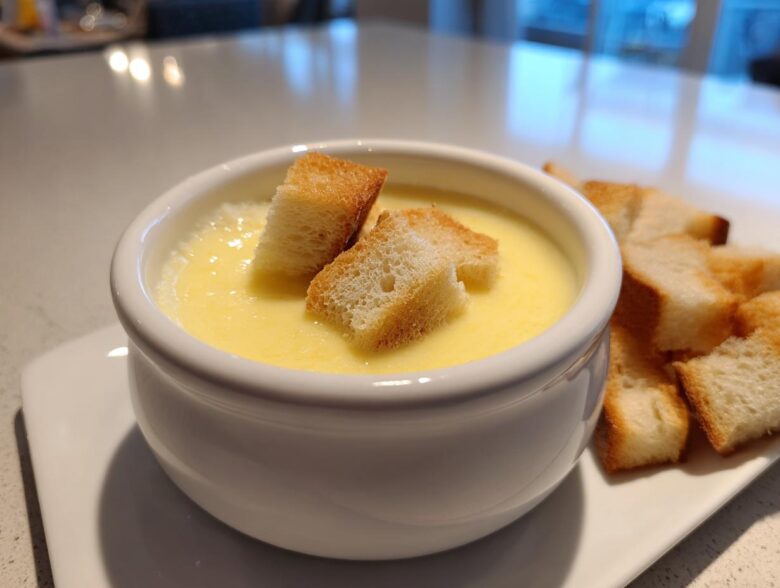
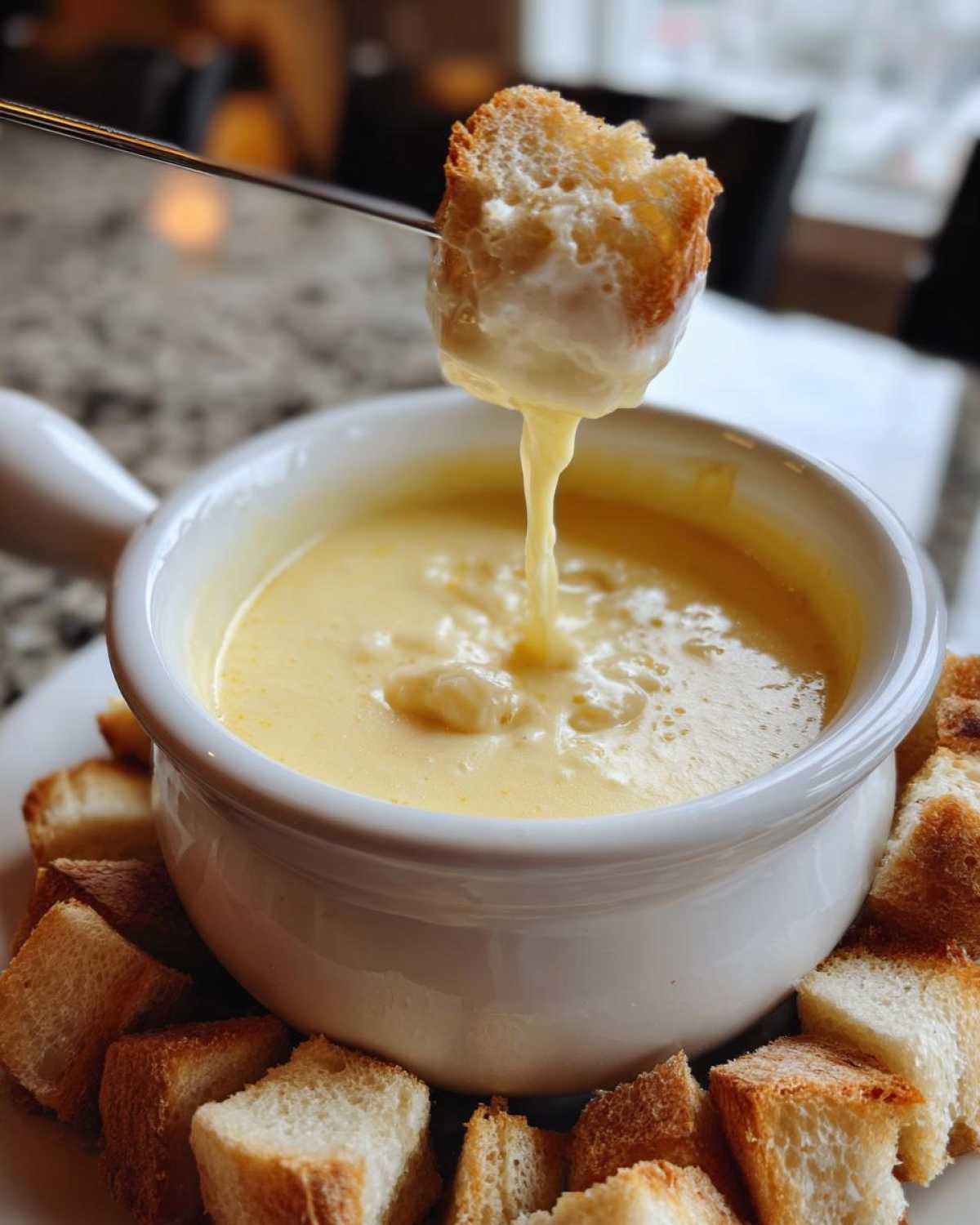
Oh my gosh, is it cold outside? Because if it is, you absolutely need to drop everything and make a pot of this glorious, bubbly, perfect **cheese fondue**! Forget those sad, oily cheese dips you’ve had at parties; we are aiming for *velvety* perfection here. This isn’t just an appetizer; it’s an event, right? The best part about gathering around a fondue pot is watching everyone dunk their own piece of bread—it’s such a fun, interactive dinner idea.
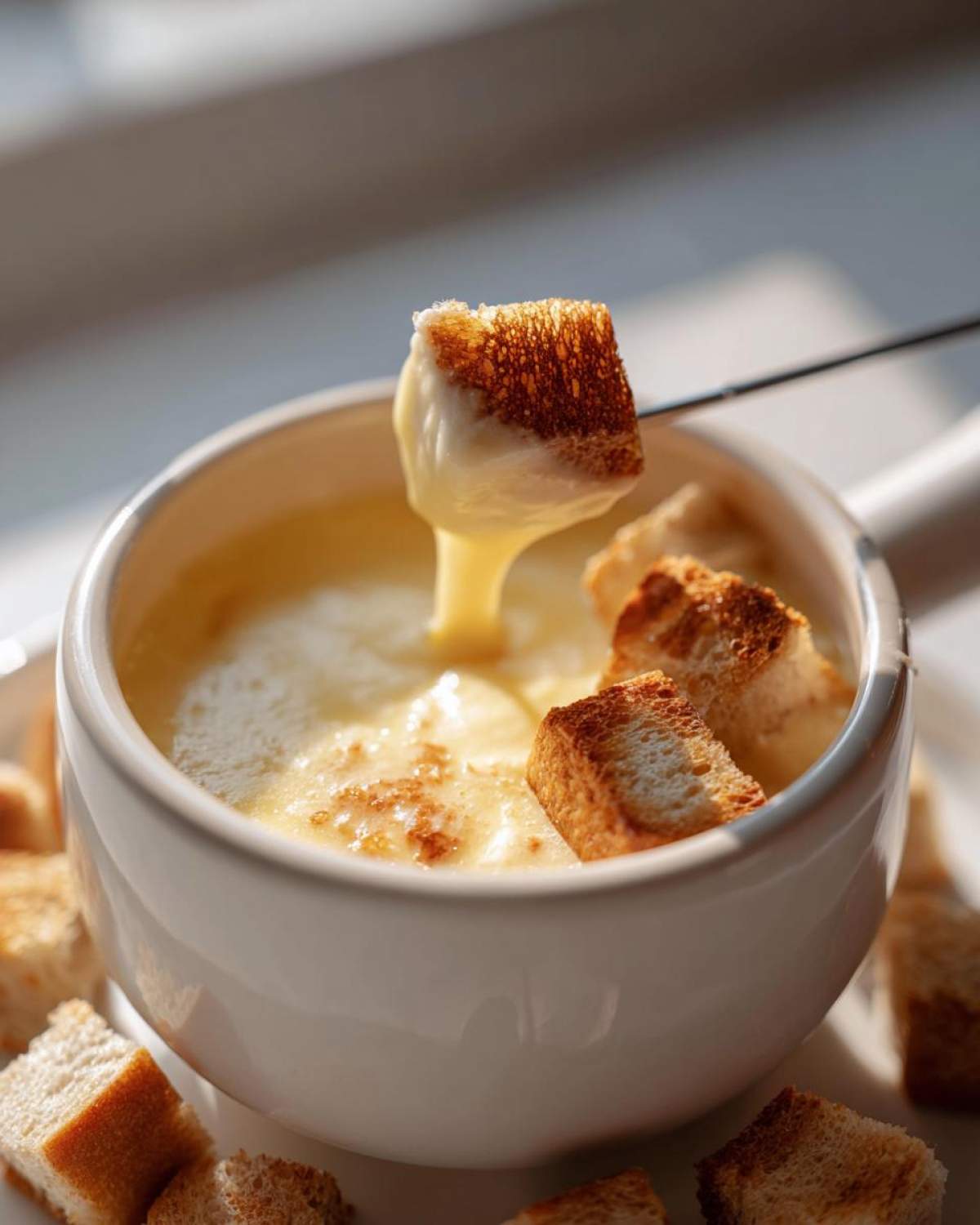
I spent years messing this up, let me tell you. My first attempt resulted in a stringy, clumpy mess that looked more like melted plastic than gourmet food. Nope! But I finally cracked the code for that smooth cheese melt every time, and now I never look back. Trust me when I say this classic cheese fondue recipe is completely foolproof. We’re talking restaurant-quality, silky texture that will make you want to cancel all other winter appetizer ideas on the spot.
Why This Classic Cheese Fondue Recipe Works Every Time
Okay, let’s talk science for a second, because this is where everyone goes wrong with their **cheese fondue**. The biggest nightmare is watching that beautiful Swiss cheese—which should be melting into a gorgeous, velvety melted cheese bath—suddenly seize up and get all stringy. Ugh, I hate that texture!
The reason this recipe is different is that we are controlling everything. We use two specific cheeses, yes, but the real game-changer is preparing the cheese before it ever sees the wine. If you skip this, you’re setting yourself up for disaster, trust me.
The Secret to Smooth Cheese Melt No Clumps
You absolutely have to shred your own Gruyère and Emmental. Don’t even think about those bags of pre-shredded stuff! Those bags have anti-caking agents in them—things like cellulose—and those agents refuse to melt nicely. They just bump around and make everything grainy.
Once your cheese is freshly shredded, you mix it gently with the cornstarch. The starch lightly coats every single shred. When that coated cheese hits the warm wine, the starch creates a barrier. This barrier keeps the proteins from grabbing onto each other too tightly when they melt. It’s the key to that incredible smooth cheese melt no clumps we are after! Add it slowly, stir constantly, and you’ve won!
Ingredients for Authentic Gruyère Emmental Fondue
When it comes to making authentic Swiss **cheese fondue**, the ingredients list is short, sweet, and very specific. You don’t need a million things floating around in there! You only need the right foundation to get that luxurious texture. Keep everything ready near the stove because once we start melting, things move quickly!
- 1 pound Gruyère cheese, freshly and medium-shredded
- 1 pound Emmental cheese (or Swiss baby cheese), freshly and medium-shredded
- 1 1/2 cups dry white wine (I swear by Sauvignon Blanc, but Pinot Grigio works too!)
- 2 tablespoons cornstarch (our secret weapon for smoothness!)
- 1 clove of garlic, peeled and cut in half
- 1 teaspoon fresh lemon juice
- 1/4 teaspoon ground nutmeg (don’t skip this, it’s the smell of heaven!)
- 2 tablespoons Kirsch (that cherry brandy—it’s optional, but oh so traditional and adds a nice little kick)
- 1 crusty baguette, cut into perfect 1-inch dipping cubes (you’ll likely eat half while prepping, oops!)
- Assorted dipping items like crisp apple slices or boiled baby potatoes, or perhaps some of those tasty marinated cheese cubes if you happen to have extras!
Choosing the Best Cheese for Fondue
You asked about the **best cheese for fondue**, and here it is: Gruyère and Emmental are the dynamic duo. Why these two? Well, they are perfect melting cheeses because of their moisture and acidity balance. Gruyère brings that nutty, earthy depth that tastes so classic, while Emmental gives you the stretch and smoothness.
When you look for them, make sure they feel firm and slightly moist. If a cheese is too young or has too much moisture, it can weep oil when it melts. If it’s too dry, it gets stringy. The combination we have here, usually aged about six months, gives you the perfect blend of flavor and structure for that amazing, smooth dip that tastes exactly like it should.
If you’re feeling adventurous, you could try mixing in a bit of Appenzeller, but for the ultimate classic experience, stick to these two beauties. If you absolutely can’t find Emmental, you can use a good quality Swiss, but the flavor profile might shift a tiny bit. But seriously, try to find the real deal; it’s worth the hunt!
How to Make Cheese Fondue at Home: Step-by-Step Instructions
Alright, friend, now that you have your perfect cheese blend ready to go—don’t panic! This is the part people get nervous about, but remember, we have our insurance policy: the cornstarch. This whole cooking process is fairly quick, about 20 minutes total cook time once you start the heat, so make sure you have your dippers ready to go! We need about 15 minutes of prep time to shred everything, and then we are ready to roll.
The secret to authentic **cheese fondue** isn’t aggression; it’s slow, smooth encouragement. You can’t rush perfection, especially when melting creamy dairy products. We’re keeping the heat low and consistent the whole way through. If you’re trying to figure out what to serve alongside, I actually have a great recipe for homemade English muffins that make the absolute best dippers!
Preparing the Pot and Coating the Cheese
First things first: we need to give our pot a little flavor infusion. Take that cut half of garlic and just rub the inside of your fondue pot or whatever heavy saucepan you are using. Don’t actually grate it in; you just want a nice, light scent lingering in there. After you rub it around, toss that garlic clove out! We just needed its essence.
Next, go back to that bowl of freshly shredded cheese. This is where our preventative magic happens. Sprinkle that 2 tablespoons of cornstarch over the cheese and use your hands or a fork to gently toss it all together. Make sure every single piece of cheese is lightly dusted. This step is non-negotiable; it stops everything from grabbing onto itself and getting stringy later on. It’s brilliant!
Achieving the Perfect Velvety Melt for Your Cheese Fondue
Now for the wine! Pour your dry white wine and that tablespoon of lemon juice into the pot. Turn the heat up to medium, but listen closely: you only want it to *just* start simmering. The moment you see tiny bubbles forming around the edge, turn that heat right down to low. Do NOT let it boil! Boiling the wine will break down the structure of the cheese later, and we don’t want that oily separation.
Once the wine is warm—barely warm—start adding the cornstarch-coated cheese. Add just a small handful first, and then stir gently but constantly. I like to stir in a figure-eight motion—it sounds silly, but it really helps the cheese incorporate evenly without beating it up too much. Wait until that first handful is completely melted and smooth before adding the next small batch. Keep going like this, a little at a time, until all your cheese is melted into a beautiful, **smooth cheese melt**. See? No clumps!
Serving Suggestions: The Ultimate Fondue Dippers Guide
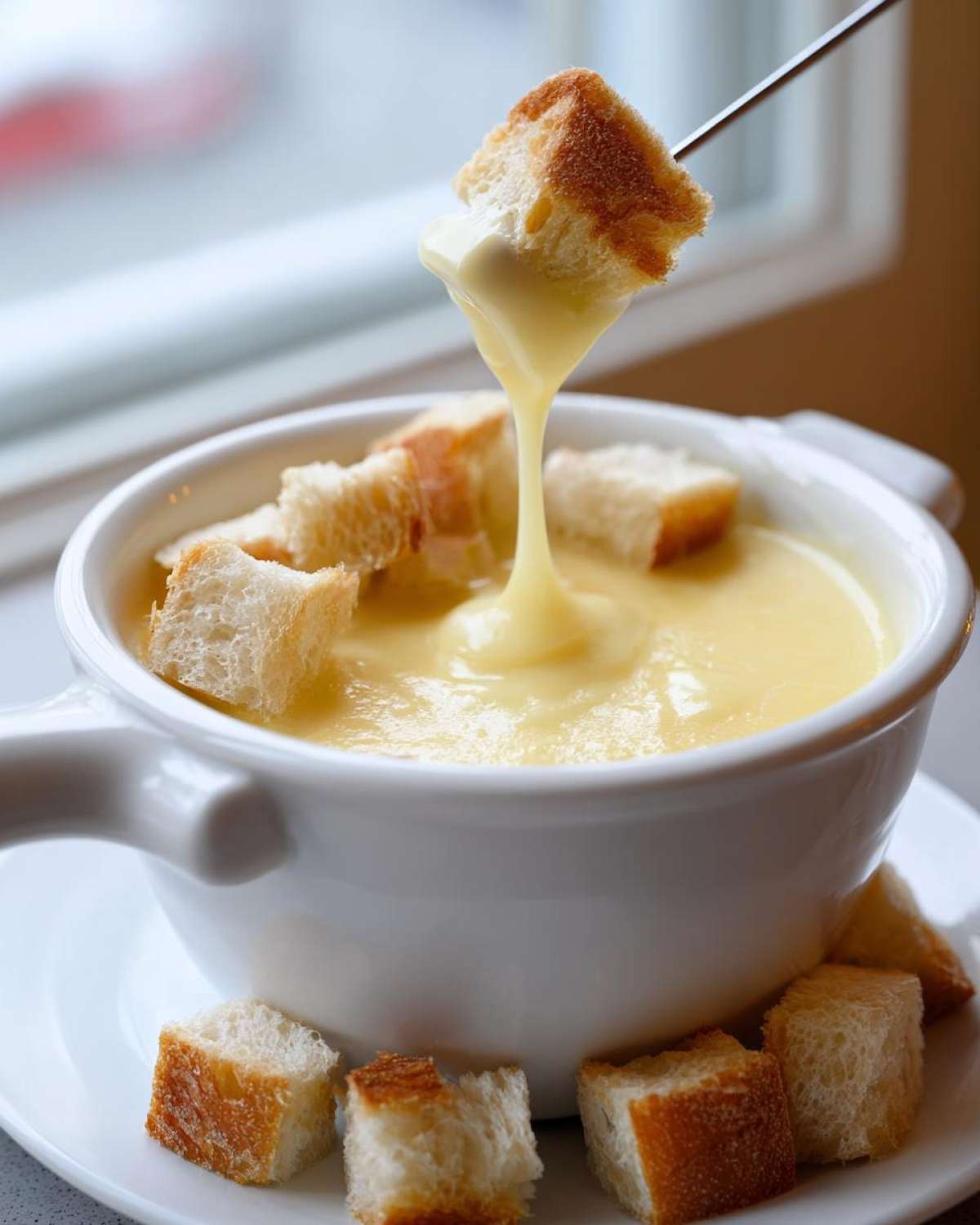
Okay, your **cheese fondue** is perfect—bubbly, smooth, and begging to be eaten! The real fun begins now because you can’t just eat this wonderful melted cheese with a spoon, right? You need the right supporting players! This is why having a great bakery-style homemade bread around is essential. You have to serve this dip immediately after you finish melting it, too, because the longer it sits, the more temperature control you need to keep it looking its best!
Part of the joy of fondue is passing things around the pot and sharing. It feels so communal and cozy. Here’s my ultimate **fondue dippers guide**—I try to bring something from every category to keep things interesting for everyone!
The Bread Category (Must-Haves)
Bread is the foundation. That’s just how it is with classic Swiss fondue. You want bread that is slightly stale—not rock hard, but a day old is perfect. This helps it hold its shape when dipping and prevents your dipper from flopping off into the pot!
- Baguette cubes (the absolute classic)
- Small cubes of crusty sourdough
- Day-old rye bread (the flavor goes really well with Gruyère)
- Maybe some chunks of homemade focaccia if you’re feeling ambitious!
Veggies and Fruits for Freshness
You need things that contrast that richness. The little bit of brightness from fruit or the crunch from vegetables cuts through the heavy cheese perfectly. This makes it feel slightly less guilt-inducing, ha!
- Small steamed pearl onions
- Blanched broccoli or cauliflower florets
- Tender cooked small new potatoes (peel them first, they absorb the flavor!)
- Crisp apple wedges (Granny Smith are my favorite because they are so tart)
- Maybe some little bell pepper strips
The Unexpected Dippers
Sometimes I like to throw in something surprising just to keep people talking. These aren’t traditional, but they are delicious additions to your spread.
- Thinly sliced ham or cubes of cooked sausage (if you aren’t eating strictly vegetarian)
- Roasted cherry tomatoes (just make sure they are dry before dipping!)
- Hard-boiled quail eggs (if you want to get really gourmet!)
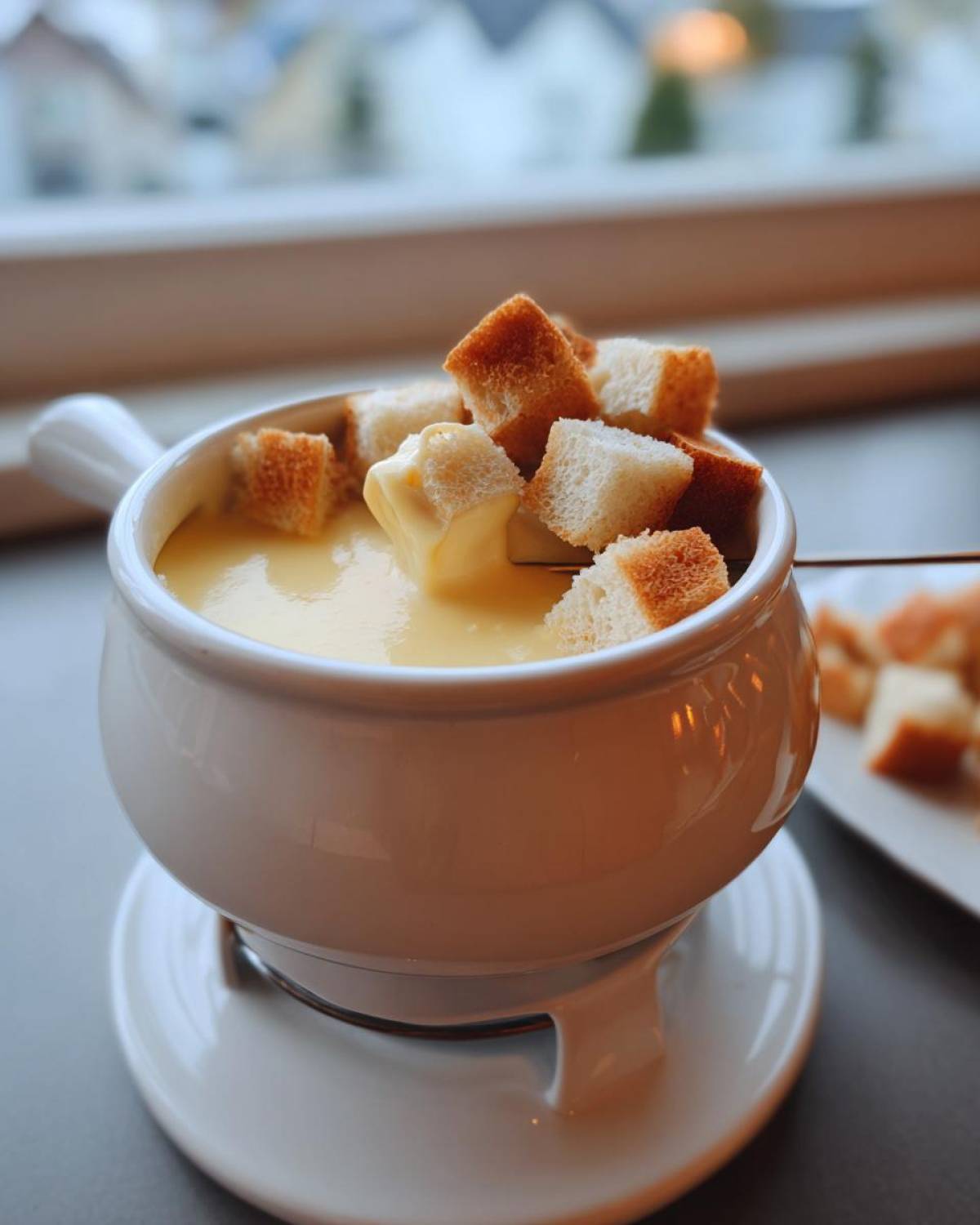
Remember, as the fondue cools slightly while everyone is chatting and dipping, you might need to stir it gently or warm it up again on the lowest setting on your stovetop. Don’t let it sit too long without a good, slow stir!
Tips for Success with Your Homemade Fondue Pot Recipe
Making this **cheese fondue** is rewarding, but you need to treat your pot right, especially once it’s on the table and everyone is hovering—it’s inevitable! I learned a huge lesson about keeping things warm during a New Year’s Eve party years ago. The fondue was perfect, we all got busy opening presents, and when we came back, the bottom half was like cement stuck to the pot. Disaster!
That’s why I am dedicated to making sure you don’t suffer the same fate. You absolutely need to invest in a small heat source, like a tea light or a proper electric warmer, dedicated just to your fondue pot once it’s serving time. If you don’t use a dedicated warmer, you’re just asking for trouble, especially if you are using the beautiful baguette cubes from classic buttermilk scones that are soaking up all that lovely cheese!
Also, remember that little instruction about shredding your own cheese? That’s not just me being fussy! The anti-caking powders in pre-shredded cheese are the number one killer of a smooth melt. Always shred it yourself for the creamiest result. It takes an extra five minutes, but it saves your whole evening, trust me on this one.
Troubleshooting Common Cheese Fondue Issues
So, what happens when things go a little sideways? Don’t panic! This is where being a confident cook pays off. If you find your glorious melted cheese starts to separate while you’re serving—meaning you see little pools of orange-ish oil floating around—it usually means it either got too hot, or maybe the balance of acid (the wine/lemon) wasn’t quite right for your specific cheese batch.
If it looks like it’s getting stiff or thick halfway through dipping, it just means it’s cooling down too fast. Do not try to blast it with high heat! That will cause it to seize up for real this time. Instead, just stir in a tiny splash—maybe a tablespoon—of warm white wine or even just warm water while gently stirring over *very* low heat. If you used the optional Kirsch, a tiny dash of that helps too! It loosens the proteins right up and brings that beautiful glossy texture back into your **easy fondue dip**.
If you followed the cornstarch rule, you should rarely have a truly broken fondue, but knowing how to fix these little hiccups means you’ll always serve up perfect, stretchy cheese!
Variations on the Classic Cheese Fondue Recipe
Honestly, sometimes you just don’t have the right white wine, or maybe you’re cooking for someone who just isn’t a fan of the traditional Swiss flavor! That is totally fine. While I stand by the Gruyère/Emmental mix as the gold standard for a perfect, foolproof dip, there are some super fun ways you can shake things up if you need a change or are low on ingredient time.
When people ask, “Can I use something other than white wine?” my answer is always yes, look to beer or even broth! It changes the flavor profile entirely, moving you away from the delicate, bright notes of a traditional **white wine cheese dip** and into something earthier and richer. If you’re looking for a big crowd-pleaser for a game day, these variations are fantastic!
The Beer Cheese Fondue Swap
If you want to take this towards a hearty pub dip vibe, you can use an amber or a light-bodied beer instead of the wine. Just make sure the beer isn’t super hoppy or bitter! A nice, malty German lager works best, or even a sturdy brown ale works in a pinch.
The substitution rule is usually 1:1, but here is my secret tip: If you swap wine for beer, you absolutely MUST increase the lemon juice slightly—maybe by half a teaspoon. Beer is less acidic than wine, and that little extra acid is necessary to keep the proteins from clumping when you melt the cheese. We want it bubbly and smooth, right? Also, skip the Kirsch if you use beer; it clashes!
A Different Cheese Profile (White Cheddar Inspiration)
Maybe you don’t have access to quality Emmental, or maybe you just love that sharp tang of cheddar. You can certainly make a different kind of melt! If you are going the cheddar route, you’ll want to lean heavily on sharp white cheddar, maybe mixing it with Monterey Jack for meltiness.
The technique changes slightly here, though. Cheddar doesn’t have the same resilient proteins as Swiss cheeses. So, when using cheddar, you need to make sure that cornstarch coating is extra thorough, and you might even want to increase that by half a teaspoon. Also, instead of a dry white wine, use chicken broth and a squeeze of lemon juice. It’s less about the traditional flavor and more about creating a great texture with a cheese that doesn’t naturally want to melt smoothly. It’s delicious, but it’s a whole different creature than our Swiss original!
Adding Some Spice for Extra Kick
If you want to keep the classic Swiss base but just step up the heat level, you don’t need to change the main binding ingredients at all! Once you finish adding the cheese and it’s perfectly smooth, you can stir in some extra flavor right at the end. This is perfect if you want to serve it alongside something like my classic Southern cheddar cheese straws!
- A pinch of cayenne pepper for subtle heat.
- A dash of smoked paprika for color and depth.
- A splash of simple hot sauce (something vinegar-based works best) right before you serve it.
These additions don’t affect the meltiness at all, since they go in at the very end when everything is already combined. It’s a great way to personalize your **easy appetizer for guests** without risking a broken pot of cheese!
Storage and Reheating Instructions for Leftover Cheese Fondue
Wait… leftovers? Does anyone ever actually have leftover **cheese fondue**? If you manage to have any left after your dinner party or cozy night in, you are officially a miracle worker! But hey, if you do have some clinging to the bottom of the pot, don’t try to scrape it into Tupperware once it’s hardened—that’s a lost cause.
You have to store it while it’s still relatively soft, right after you finish serving or when you turn the heat off the warmer for the last time. The goal is to get it into the fridge before it becomes a solid cheese brick!
Putting Leftover Fondue Away Safely
The best way I’ve found to save this magic dip is actually tackling it right before it sets hard. When you’re done, if you have a small amount left, scrape it quickly into a small, airtight container. You don’t want it exposed to the air for too long, or it starts forming that weird rubbery skin on top. Seal it up tightly and tuck it into the refrigerator.
It will solidify into a dense, cheese-and-wine block, which sounds a little scary, trust me, it’s fine! Make sure you use that fresh bread or some sturdy crackers to get out as much of the cheese as you can before putting it away—because who wants to waste that flavor? This method keeps the integrity of the Gruyère and Emmental flavors locked in for when you decide to whip up a quick **easy fondue dip** later in the week.
The Secret to Reheating That Velvety Texture
Okay, reheating is the tricky part, but it’s totally doable if you remember the main lesson from making it the first time: always low and slow! You can’t microwave this stuff unless you want a rubbery sponge, so please use the stovetop method.
Take your leftover cheese out of the fridge about 30 minutes before you plan to serve it again; let it warm up slightly on the counter. Pop it into a small, heavy-bottomed saucepan over the LOWEST heat setting your stove offers. It must be low!
Now, this is critical: it will be stiff like a block of actual cheese. You need to add liquid back in to loosen it up! That little bit of acid from the lemon juice and wine structure we built needs reinforcement. Stir gently, and start adding liquid tablespoon by tablespoon. Use a splash of warm white wine, or if you’re out of wine, warm water mixed with a tiny squeeze of lemon juice works great as a substitute. Keep stirring slowly across the bottom of the pan until it melts back down into its smooth, dippable form. It generally takes about 5 to 10 minutes of babying it back to life. If you treat it gently, you get that lovely, **velvety melted cheese** back again, ready for round two!
Can Fondue Be Frozen?
Honestly, I wouldn’t recommend it. Freezing changes the texture of cheeses, and even with the cornstarch helping us out, you risk separating the fats and breaking the emulsion permanently upon thawing and reheating. If you’re not going to eat it within three or four days of the fridge storage, you are better off accepting that this batch had its moment of glory and tossing it. But honestly, with how good this recipe is, I’ve never had to throw any away! It’s usually gone before the end of the night.
Frequently Asked Questions About Making Fondue
Even with the best step-by-step guide, I know you might have a few little lingering questions swirling around when you’re about to make your first batch of **cheese fondue**. That’s totally fair! This isn’t like making scrambled eggs; there’s a little bit of technique involved, but once you nail it, you’ll never forget!
I’ve pulled together some of the things I get asked most often, especially concerning ingredients and settings—kind off like preparing for a very cheesy, very warm event, wouldn’t you say? And if you’re looking for more gourmet ideas after this, check out some tips on gourmet cheese plate inspiration!
Can I use pre-shredded cheese in my cheese fondue?
Oh, bless your heart for asking! The short answer is a very firm, loving, “No, don’t do it!” If you want that gorgeous, smooth, **velvety melted cheese** that drapes perfectly off your bread cube, you must shred it yourself. Seriously, pre-shredded cheese is packed with things like potato starch or cellulose to stop it from clumping in the bag. Those anti-caking agents are absolute villains in the fondue pot!
They prevent the proteins in the cheese from blending smoothly with the wine, guaranteeing you an uneven, grainy texture instead of the beautiful, unified dip we want. Take the extra five minutes to grate it fresh; your taste buds will thank you!
What is the best non-alcoholic liquid substitute for wine?
This comes up a lot, especially if you’re serving kids or just don’t want to open a bottle of wine for a small pot of dip. The wine is important because its acidity helps keep the cheese proteins happy and stretchy, so we need to mimic that acid!
My favorite substitute for the wine is using low-sodium chicken or vegetable broth. But here’s the kicker: you need to add back the acid you lost by skipping the wine. So, for every cup of broth you use, mix in about a teaspoon of fresh lemon juice. That little bit of acid is what maintains the structure we worked so hard to build when we tossed the cheese in cornstarch. It keeps your **classic cheese fondue recipe** smooth!
Is this recipe suitable for a cozy night in recipes?
Absolutely, 100% yes! If you ask me, **cheese fondue** was invented for **cozy night in recipes**! It’s the ultimate comfort food melted cheese experience. Because you have to sit right next to the pot and dip slowly, it forces you to slow down and be present. It’s impossible to eat this stuff rushed!
Get a good movie on, grab your partner or your best friend, make sure you have your cubed bread soaking up all that deliciousness, and enjoy that intimate, interactive dinner experience. It’s so much warmer and more fun than sitting there eating off separate plates!
Enjoy This Interactive Dinner Idea
There you have it! You’re equipped with the secrets to whipping up a batch of **classic cheese fondue** that will impress everyone, whether you’re hosting a full party spread or just having a quiet night in. Remember the cornstarch, remember the slow addition, and remember to keep that heat low and steady—that’s the path to that dreamy, velvety cheese every single time!
Now, I want to hear from you! Have you tried this fool-proof method before? Rate this recipe using the stars below and tell me in the comments what your absolute favorite thing to dip into that glorious pot is! I’m always looking for new additions to my interactive dinner ideas rotation!
PrintClassic Swiss Cheese Fondue

A step-by-step guide to making a smooth, velvety cheese fondue using Gruyère and Emmental cheese.
- Prep Time: 15 min
- Cook Time: 20 min
- Total Time: 35 min
- Yield: 6 servings
- Category: Appetizer
- Method: Stovetop
- Cuisine: Swiss
- Diet: Vegetarian
Ingredients
- 1 pound Gruyère cheese, shredded
- 1 pound Emmental cheese, shredded
- 1 1/2 cups dry white wine (like Sauvignon Blanc)
- 2 tablespoons cornstarch
- 1 clove garlic, halved
- 1 teaspoon fresh lemon juice
- 1/4 teaspoon ground nutmeg
- 2 tablespoons Kirsch (optional)
- 1 baguette, cut into 1-inch cubes
- Assorted dipping items (vegetables, apples, boiled potatoes)
Instructions
- Rub the inside of your fondue pot or heavy-bottomed saucepan with the cut garlic clove. Discard the garlic.
- In a small bowl, toss the shredded cheese with the cornstarch until evenly coated.
- Pour the white wine and lemon juice into the pot and heat over medium heat until just simmering. Do not boil.
- Gradually add the cheese mixture to the wine, a handful at a time, stirring constantly in a figure-eight motion until each addition is melted before adding more.
- Continue stirring until the mixture is completely smooth and creamy.
- Stir in the nutmeg and Kirsch, if using. Keep the fondue warm over very low heat or on a fondue warmer, stirring occasionally.
- Serve immediately with bread cubes and your chosen dippers.
Notes
- Shredding your own cheese prevents anti-caking agents found in pre-shredded cheese from causing lumps.
- If the fondue becomes too thick while serving, stir in a small splash of warm wine or lemon juice to loosen it.
- Keep the heat low during the melting process to achieve a smooth texture.
Nutrition
- Serving Size: 1/6 of recipe
- Calories: 450
- Sugar: 3
- Sodium: 550
- Fat: 30
- Saturated Fat: 18
- Unsaturated Fat: 12
- Trans Fat: 0
- Carbohydrates: 25
- Fiber: 1
- Protein: 28
- Cholesterol: 90