

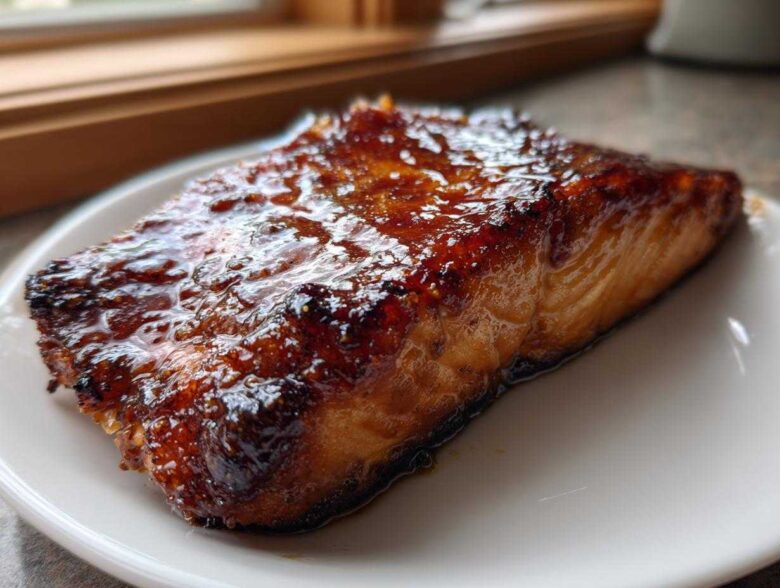
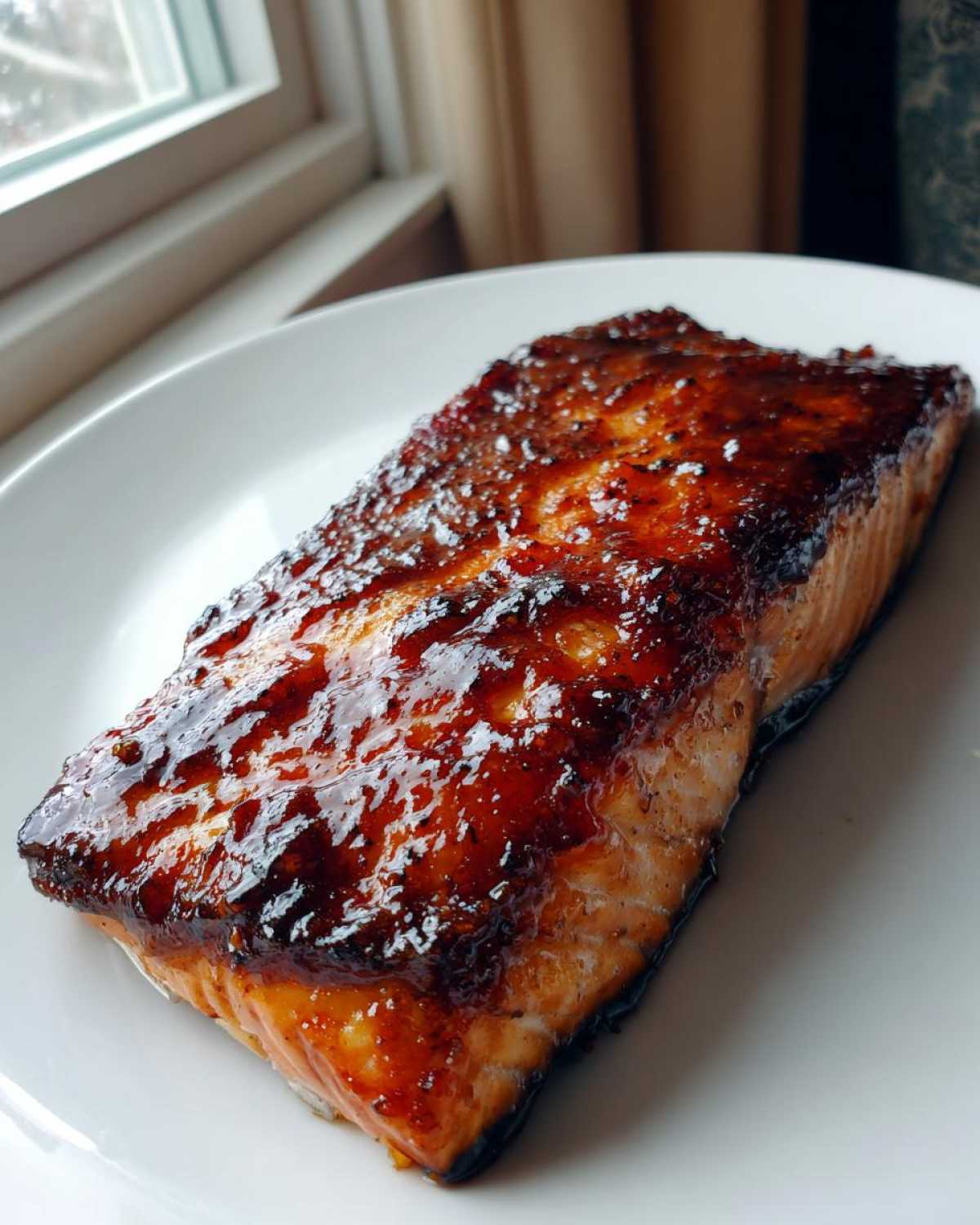
Oh, friends, if you’ve ever stared into your fridge at 5:30 PM, completely blank on dinner ideas, feeling that familiar weeknight cooking panic setting in, I have news for you! You can stop stressing and start glazing, because Leo just perfected what I’m calling the Best Ever Salmon Recipe. We’re talking Restaurant-Quality Texas Roadhouse Style Baked Salmon, and guess what? It’s on the table in about 25 minutes, tops. I swear, when Leo first brought this smoky, sweet salmon home from his testing counter, I looked at him and said, “Leo, this is a headline!” It comes out so unbelievably moist and flaky, you’d think we spent all afternoon basting it. But no, this magic is thanks to a meticulous little combination of spices and a quick oven blast. I’m Clara, and my job, as Leo’s official documentarian, is to translate his delicious chaos into something you can trust every single time. Get ready for your new favorite healthy fish dinner.
Why This Texas Roadhouse Style Baked Salmon is Your New Weeknight Favorite
Honestly, why spend forty-five minutes fussing when you can get steakhouse flavor in under half an hour? Leo is usually tinkering, but this time he nailed it on the first try, and I knew we had a winner. This isn’t just fish; it’s a declaration of independence from boring dinners. It’s got everything you’re looking for, packaged up perfectly for a busy evening.
- Speedy Service: We’re talking a genuine 25 Minute Salmon Meal. Seriously!
- Incredible Flavor: That sweet and savory coating makes it feel like you ordered Restaurant Style Salmon right off their menu. You get that lovely, sticky Honey Glazed Salmon crust.
- Perfect Texture: Forget dry, sad fish. This method guarantees incredibly Flaky Salmon Fillets that practically melt on your tongue.
- It’s Actually Healthy: It’s a phenomenal Healthy Fish Dinner that doesn’t compromise on satisfaction. See? You can have your cake—or, well, your perfectly glazed salmon—and eat it too!
Gathering Ingredients for Perfect Baked Salmon
See, this is where Leo usually starts conducting his orchestra! Luckily, this recipe keeps things simple so we aren’t digging through every drawer for obscure items. When you are making something this quick, you want the quality of your core ingredient—the salmon—to really shine through. I always tell Leo that for oven baked seafood, especially when it’s only cooking for 15 minutes, you have to start with great fillets. If you can find center-cut Atlantic salmon, grab it! The thicker pieces hold up beautifully to that sweet glaze without falling apart into sad little bits.
We have two simple groupings here: what seasons the fish itself, and what builds that irresistible caramelized coating we love so much.
For the Salmon Fillets
- Four (6 ounce) salmon fillets. Feel free to use skin on or off, depending on your texture preference!
- One tablespoon olive oil.
- One teaspoon salt.
- One half teaspoon black pepper.
- One half teaspoon garlic powder.
- One quarter teaspoon paprika (just for color and a hint of warmth).
For the Sweet and Savory Glaze
This glaze is the secret sauce that makes this feel like a full Restaurant Style Salmon experience. It’s the honey that caramelizes, balanced by that salty complexity from the Worcestershire.
- One quarter cup honey.
- Two tablespoons unsalted butter, and yes, it absolutely must be melted!
- One tablespoon soy sauce.
- One teaspoon Worcestershire sauce.
- One half teaspoon smoked paprika—this is important for that deep color!
- One quarter teaspoon onion powder.
Step-by-Step Instructions for Your 25 Minute Salmon Meal
Alright, now that we’ve got all our lovely ingredients ready, we can actually make some noise in the kitchen! Leo always says that timing is everything when you’re racing the clock on a great meal, which is why this recipe is built for speed without sacrificing that beautiful texture we’re aiming for. Seriously, you mix the glaze while the oven heats up. It’s marvelous efficiency!
Prepping the Oven and Seasoning the Salmon
First things first: crank that oven up to 400 degrees Fahrenheit. Make sure you line that baking sheet with parchment paper—I learned the hard way early on that sugar glazes and hot metal pans do not mix well together! Trust me on this one; you want the easy cleanup this provides.
Next, the most talked-about step in our house: Pat those salmon fillets completely dry! Leo is so obsessive about this part. He insists that if you skip drying the fish with paper towels, the seasonings just slide off, and you won’t get that tiny bit of texture on the outside. He’ll stand there patting each piece like he’s calming a fussy baby. After they’re dry, drizzle them with that olive oil and evenly sprinkle on your salt, pepper, garlic powder, and paprika. That’s it for the seasoning baseline.
Creating the Honey Glazed Salmon Sauce
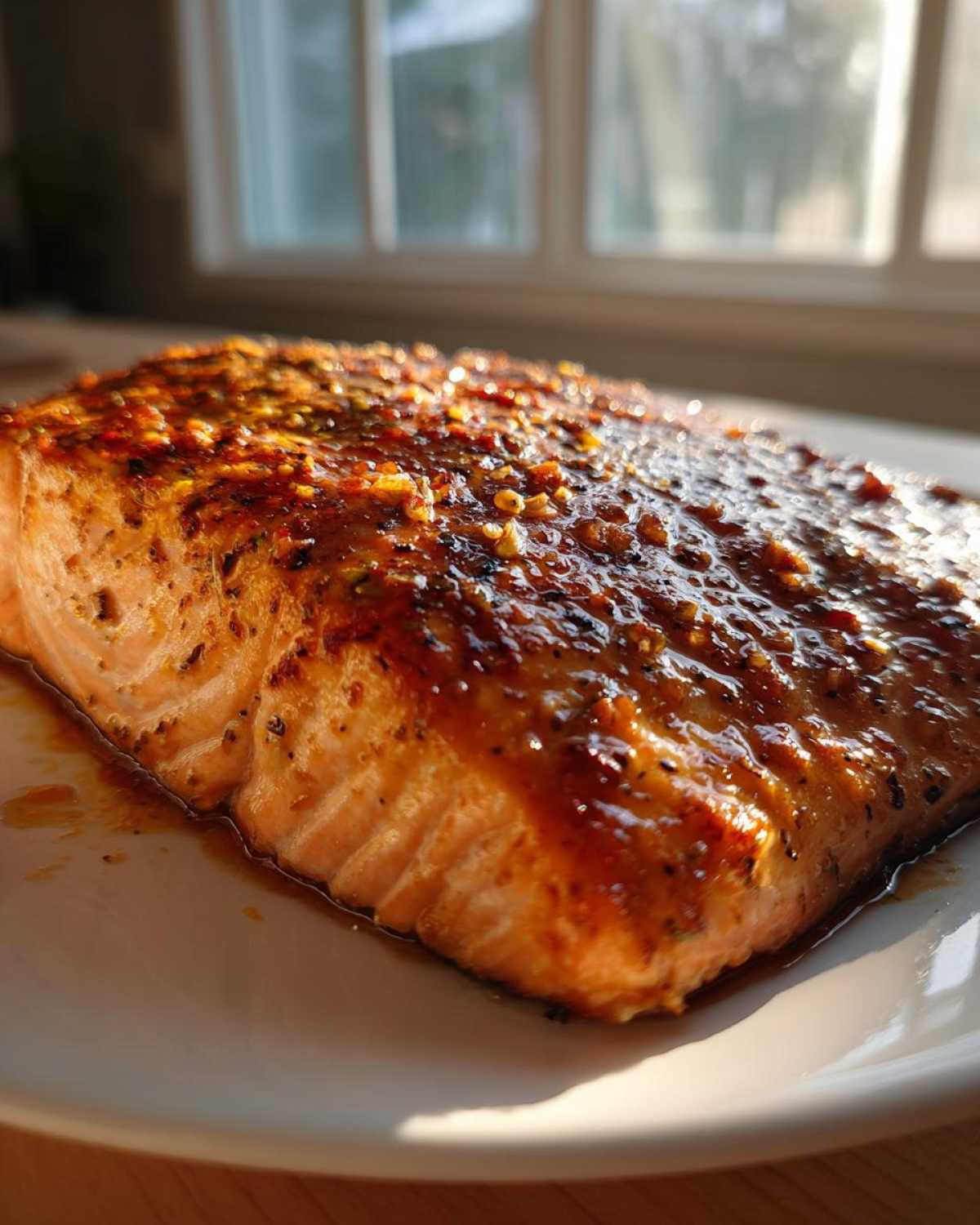
While the oven is heating up its jets, it’s time for the star of the show: the glaze! Grab a small bowl—no need to dirty a huge measuring cup here. Whisk together that honey, the melted butter, the soy sauce, the Worcestershire sauce, smoked paprika, and onion powder. You need to whisk this hard until everything is really combined. If your butter isn’t fully melted, the sauce won’t emulsify correctly, and you’ll end up with pools of butter separated from your honey. We want one glorious, sticky liquid ready to coat our dinner!
Baking and Finishing the Moist and Juicy Salmon
Now, take about half of that beautiful glaze and brush it all over the tops of your seasoned salmon fillets. Pop them into that 400-degree oven. Depending on how thick your pieces are, you’re looking at 12 to 15 minutes. This is the sweet spot for truly achieving Moist and Juicy Salmon.
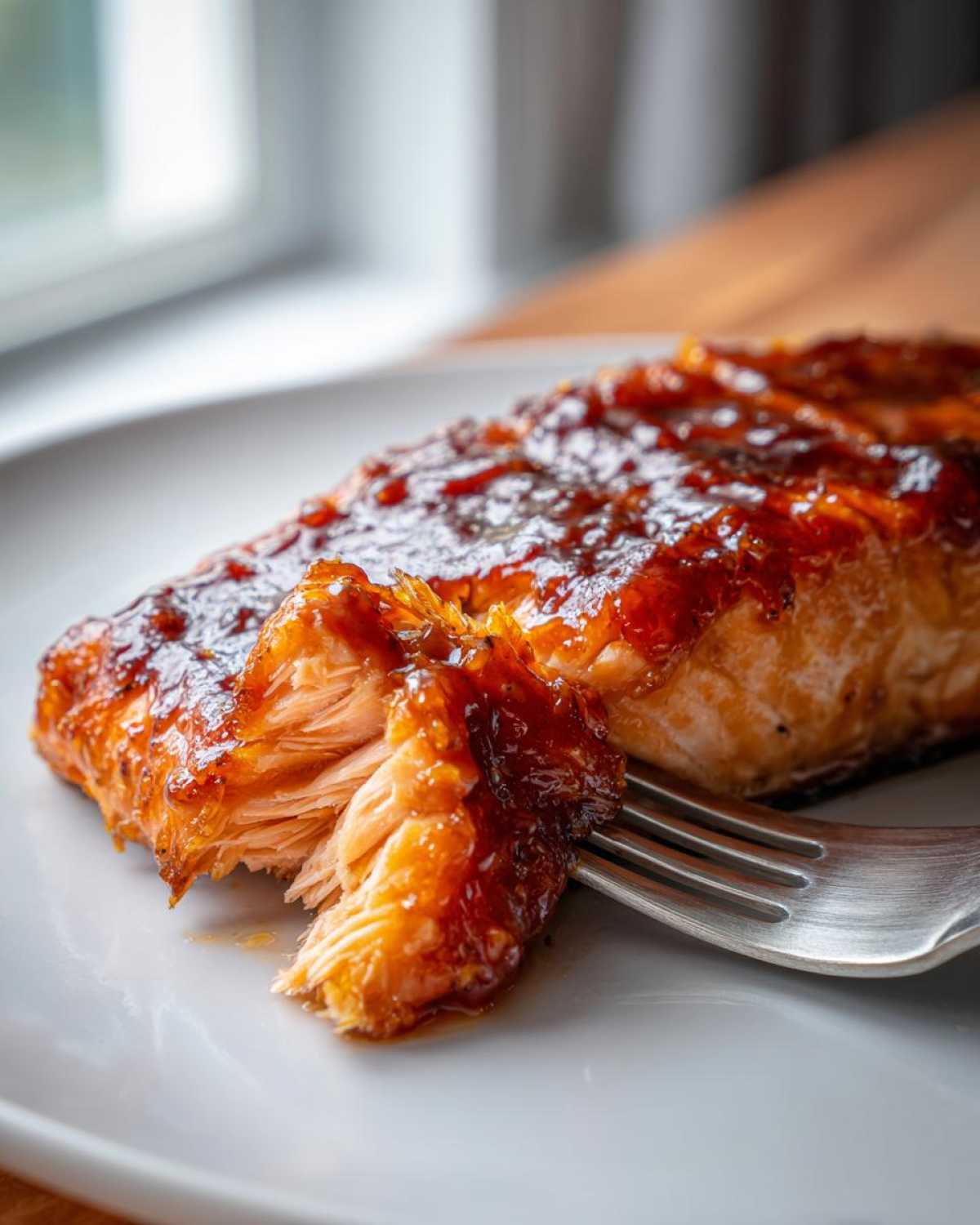
When you pull them out, they should flake easily when you gently touch them with a fork—that’s how you know you have perfect, Flaky Salmon Fillets. Don’t hesitate; brush that remaining glaze right over the hot fish immediately. Wow! That finishing coat is what locks in that restaurant shine and sticky sweetness. Serve it hot!
Tips for Achieving Restaurant Style Salmon at Home
Leo loves to pretend he’s a chef on TV, and honestly, these little tweaks he relies on are what turn a Tuesday night dinner into something special. When you’re aiming for that true steakhouse feel, it’s all about texture and shine. Since we’re baking off this deliciousness, we have a couple of secrets for managing the glaze and ensuring every piece is tender.
First, let’s talk about that skin, even though the recipe works great with skinless. If you use skin-on fillets, the best way to get that amazing texture is all drying, drying, drying! Before you add any oil or spice, press that skin side down onto a few layers of paper towels. You want it bone dry. Then, when you place it skin-side down on the sheet (foil works best here for easy peeling later), the skin might actually crisp up a little while the flesh stays super moist. It’s a textural miracle!
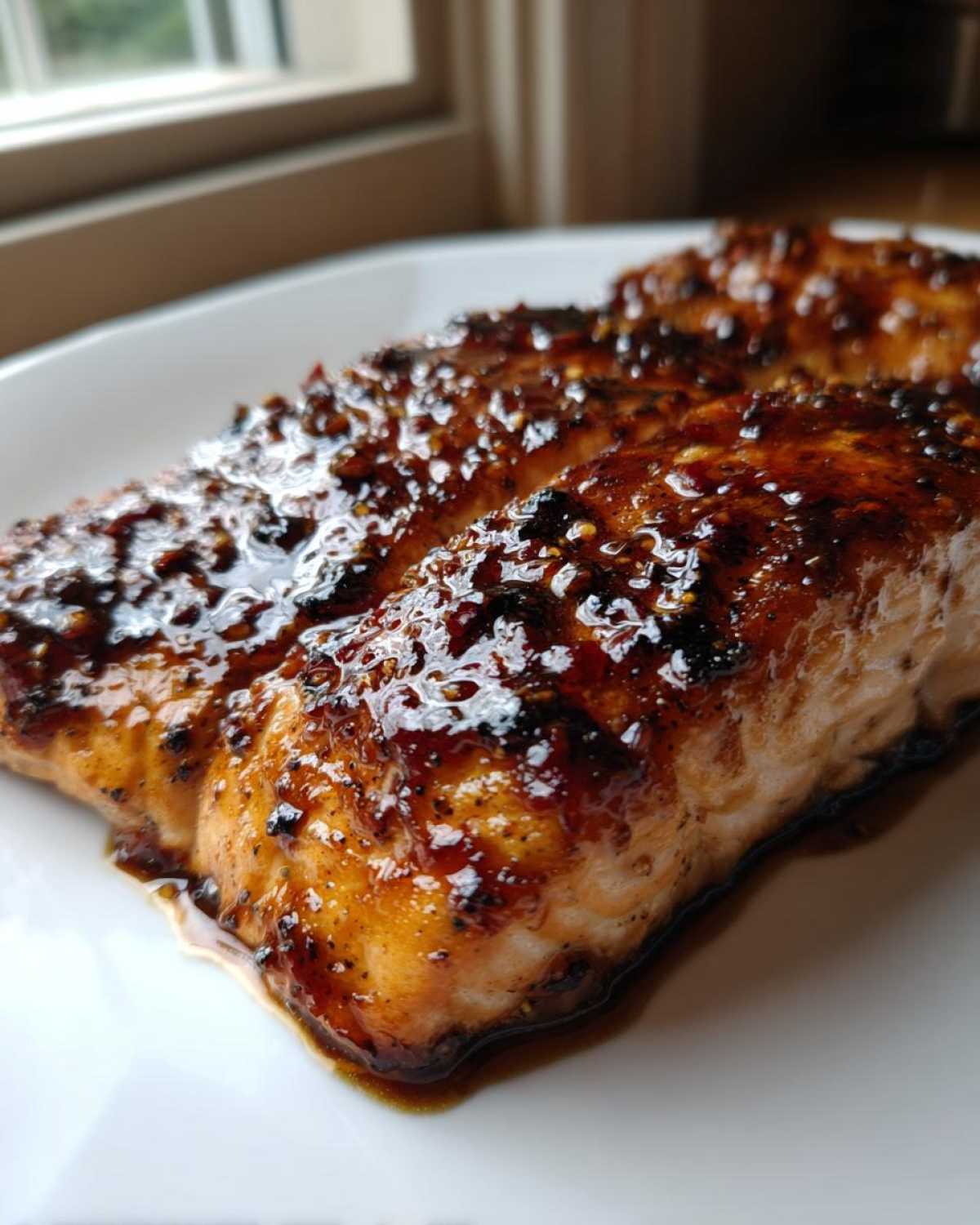
Now, for the glaze shine. Since we brush half on before baking and half on after, you get two layers of flavor delivery. But if you want that deep, caramelized restaurant look, you need the broiler trick mentioned in the notes. Right when the salmon is *just* done—I mean, you test it and it flakes beautifully—switch your oven over to broil. Keep the door open a tiny crack (watch it like a hawk, Leo!) and broil for just 60 to 120 seconds. That high heat hits the sugars in the honey glaze and makes it bubble and brown instantly. It gives you that dark, sticky exterior that makes people ask, “Where are you eating out tonight?”
But remember, the second you think it looks done, pull it out. Salmon is tricky because it goes from perfect to tough faster than jazz musicians finish a solo. If you’re worried about overcooking, our main insurance policy is pulling it out just shy of done and letting the residual heat finish the job once you add that final brush of glaze. If you want more tips on keeping proteins juicy, check out my guide on the Ultimate All-Purpose Chicken Marinade—the principles of tenderizing transfer beautifully!
Ingredient Notes and Substitutions for Your Salmon Recipe
I love when folks adapt recipes to fit their pantries or dietary needs, and this salmon is pretty forgiving, thankfully! Leo likes things exactly as written, but I always tell him that a good story needs a few edits to fit the reader better. So, if you think you’re missing an ingredient, don’t panic; we can usually work around it.
First off, let’s talk about the fillet itself. While the recipe calls for four 6-ounce pieces, you might find beautiful center-cut fillets, or maybe you’re dealing with thinner tail pieces. Center-cut pieces are thicker and require closer to that 15-minute bake time. If you have thinner tail sections, you will absolutely need to cut that baking time down to 10 or 12 minutes, or they’ll dry out before the glaze even sets. Always err on the side of less time when baking fish!
What about the honey in that glorious glaze? If honey just isn’t your preferred sweetener, maple syrup is an absolutely fantastic swap here. Maple syrup has a similar viscosity and provides a deep, earthy sweetness that pairs beautifully with the smoked paprika. It still creates that wonderful caramelized crust we’re after in this Texas Roadhouse Style Baked Salmon.
The soy sauce is critical for that salty, umami foundation that balances the honey. If you’re dealing with gluten concerns or someone needing a much lower sodium count, you can definitely substitute it. Tamari works as a direct 1:1 gluten-free swap. If you need to cut the salt further, look for coconut aminos; they are milder but give you that necessary depth without the heavy sodium hit. Just remember, since coconut aminos are less salty, you might need to add an extra tiny pinch of salt to the seasoning mix on the fish itself to keep everything balanced for your Easy Salmon Recipes!
Ultimately, the combination of oil, salt, pepper, and the glaze ingredients ensures that even if you change one thing, you’re still hitting that target for a Moist and Juicy Salmon dinner. It’s all about building flavor layers!
Serving Suggestions for Your Salmon Weeknight Dinner
Now that this beautiful, restaurant-quality salmon is out of the oven and looking utterly divine, the next headline in the Tasty Tribune is what to serve alongside it! Leo, ever the composer, always thinks of the meal as a symphony, and the sides are the steady rhythm section that keeps the sweet and savory glaze from overpowering everything. We want balance, people! We want a hearty meal that still feels wonderfully light, perfect for a healthy fish dinner.
Since this Texas Roadhouse Style baked salmon leans a little rich because of that honey butter glaze, I find that sides that cut through that sweetness or soak up any extra glaze are the absolute best companions. You’ve only spent 25 minutes on the main event, so we don’t want to spend another hour wrestling with side dishes!
My number one recommendation, especially if you made a nice big batch, is to serve this over a bed of fluffy rice. Leo’s recipe for Easy Fluffy Rice Pilaf is ridiculously simple but adds such an elegant, nutty background flavor that complements the smoked paprika in the glaze perfectly. It’s great for soaking up any extra goodness left on the plate!
Another fantastic pairing that keeps things quick and healthy involves roasted vegetables. The key here is choosing veggies that get a little caramelized themselves when you roast them alongside the fish (or right after, on the same sheet pan!). Think about:
- Asparagus tossed with just a touch of olive oil and salt. It steams perfectly alongside the salmon.
- Broccolini, which gets those delightful crispy tips when roasted.
- Simple green beans tossed with toasted slivered almonds right at the end.
If you want to lean into that steakhouse vibe? You absolutely must serve this alongside a creamy mashed potato or cauliflower mash. The starchiness grabs onto that sweet glaze perfectly, making every bite feel comforting and indulgent. It turns our 25 Minute Salmon Meal into a truly impressive spread with almost no extra effort. See? Dinner news doesn’t have to be stressful!
Storage and Reheating Instructions for Leftover Salmon
Oh, leftovers! Sometimes that second day of a rich dinner like this Texas Roadhouse Style Baked Salmon is even better, right? But fish is delicate, so we have to treat it with a little respect when putting it away. We want to make sure that that perfectly flaky salmon stays that way, moist and juicy, and doesn’t turn into something rubbery when we reheat it later. Leo tends to think leftovers are purely theoretical—he cooks until the pan is empty!—but I’m the one who plans for leftovers for lunch the next day.
Safety first, always! Never leave cooked salmon sitting out at room temperature for more than two hours. Once it’s cooled slightly, wrap those beautiful fillets tightly. The key to keeping them fresh is air exclusion. Use glass containers with tight-sealing lids—I find those work better than plastic for keeping moisture locked in. Pop them straight into the refrigerator. This gorgeous salmon will happily keep for about three days, which is fantastic for anyone who loves a quick, healthy lunch idea during the work week.
Now, the tricky part: reheating! If you try to do this quickly in the microwave without any moisture, you’ll instantly turn that tender fillet into something tough. Don’t do it! We have two much better methods to gently bring those flavors back to life without sacrificing texture.
The Best Way: Reheating in the Oven or Toaster Oven
This method is ideal if you’re reheating a larger portion or want to restore that slight glaze shine. Preheat your oven—or toaster oven, which is perfect for one or two small servings—to a very low temperature, around 275 degrees Fahrenheit. You need gentle, slow heat.
Place the leftover salmon in a small, oven-safe dish. Here’s the secret trick Clara uses: Add just a tiny splash of liquid to the bottom of the dish—about one teaspoon of water, chicken broth, or even white wine works wonders. This creates a tiny bit of steam while it heats up, keeping the fish from drying out. Cover the dish tightly with foil and warm it through for about 10 to 12 minutes. It should be heated all the way through gently, resulting in wonderfully moist and juicy salmon!
The Quick Fix: Reheating on the Stovetop
If you’re in a real hurry and need this 25 Minute Salmon Meal feel again instantly, the stovetop method is the way to go. Grab a non-stick skillet, put it over medium-low heat, and add just a half teaspoon of olive oil or butter.
Place the salmon in the pan. Again, if you need that extra insurance for moisture, add that tiny splash of liquid (water or broth works great) right into the pan *around* the fish, not on top of it. Quickly cover the skillet tightly with a lid. Let it warm for about 3 to 4 minutes. It’s fast, it steams gently, and you avoid the texture disaster the microwave often creates. This keeps your fish tender and flaky without any fuss!
Frequently Asked Questions About Making Perfect Baked Salmon
Leo and I get so many questions when we post about a new favorite salmon recipe, and that’s wonderful! I love hearing from folks trying out our recipes. Since this Texas Roadhouse Style bake is so popular, I gathered the questions I hear most often about achieving that restaurant-quality texture right in your own kitchen. Don’t worry if you’re new to cooking fish; these quick tips will make you feel like a seasoned pro!
Can I use frozen salmon fillets for this recipe?
That’s a super common question for our Easy Salmon Recipes! The short answer is yes, you totally can, but you have to handle them differently so your 25-minute timing doesn’t go completely out the window. You must thaw them completely first; don’t try to bake them frozen, or the outside will burn while the center remains icy. I recommend thawing them slowly in the refrigerator overnight. If you’re in a rush, place the frozen fillets sealed in a Ziploc bag and submerge them in cold water for about 30–45 minutes, making sure to change the water halfway through. Once thawed, pat them *extra* dry before seasoning!
How do I know for certain when the salmon is done and flaky?
This is the key to keeping your salmon from getting tough! You’re looking for that perfect state where the flesh is just cooked through. While the suggested time of 12–15 minutes is a great guide, thickness matters most. The visual clue is that the salmon will start to separate slightly from the edges of your pan liner. The physical test, which guarantees those Flaky Salmon Fillets, is the fork test. Take a fork and gently press down right on the thickest part of your fillet. If it separates easily, revealing opaque, cooked flesh inside that stays moist, it’s done! If it looks shiny or translucent in the middle, give it two more minutes. Never rely just on time; rely on sight and touch!
I really want crispy skin—can this baked recipe do that?
While baking with a glaze tends to keep the skin softer because of the wet coating sitting on the flesh side, you can still aim for a decent crisp! The notes mention the broiler trick, which is the best way to achieve crispness after the fish is almost cooked through. If you like crispy skin as a baseline texture, skip brushing the *skin side* with oil—just dry it really, really well before placing it on the foil. Then, bake it skin-side down. If you are set on the crispest salmon possible, you might want to try searing it skin-side down in an oven-safe skillet for 4–5 minutes first, then flipping it onto the baking sheet to finish with the glaze. It adds a few minutes, but wow, the payoff for Crispy Skin Salmon is worth it!
Can I substitute a different fish, like cod or tilapia, for this salmon recipe?
You can certainly use other white fish fillets, but you must adjust the baking time drastically. Salmon is fattier and more durable, meaning it stands up better to the higher oven temperature (400°F) and the sugary glaze. Cod, tilapia, and flounder are much leaner and cook much faster. If you swap them out, cut the oven temperature down to 375°F and start checking them after just 8 or 9 minutes. If you don’t, that honey glaze will just burn straight through to the pan before the delicate fish is done! If you’re looking for other fish ideas, you might enjoy my recipe for creamy white pizza—just kidding! But seriously, watch those cooking times closely for leaner fish.
Understanding the Nutrition in This Healthy Fish Dinner
Now, I know many of you are tracking macros or counting calories, and that’s totally responsible cooking! When Leo puts together a recipe like this Texas Roadhouse Style Baked Salmon, he focuses on using whole ingredients—good honey, real butter, and lean protein—which naturally steers us toward a solid, Healthy Fish Dinner profile.
However, I must always put on my Editor-in-Chief hat here: The exact nutritional facts for any dish can really change based on the brand of soy sauce you use (sodium wise!) or the type of salmon fillet you purchase (fat content varies, especially between farmed and wild). The values we calculate here are estimates based on standard ingredient measurements. For the most accurate data for your personal needs, I always encourage folks to plug the ingredients into their preferred tracking app. You can find our standard disclaimer page with more information right here if you want the full rundown on how we calculate these figures!
PrintRestaurant-Quality Texas Roadhouse Style Baked Salmon in 25 Minutes
You will love this easy recipe for Texas Roadhouse Style Baked Salmon. We bake the fillets until they are incredibly moist and flaky, then top them with a signature sweet and savory glaze. This dish brings steakhouse flavor to your weeknight table fast.
- Prep Time: 10 min
- Cook Time: 15 min
- Total Time: 25 min
- Yield: 4 servings
- Category: Dinner
- Method: Baking
- Cuisine: American
- Diet: Low Fat
Ingredients
- 4 (6 ounce) salmon fillets, skin on or off
- 1 tablespoon olive oil
- 1 teaspoon salt
- 1/2 teaspoon black pepper
- 1/2 teaspoon garlic powder
- 1/4 teaspoon paprika
For the Sweet and Savory Glaze:
- 1/4 cup honey
- 2 tablespoons unsalted butter, melted
- 1 tablespoon soy sauce
- 1 teaspoon Worcestershire sauce
- 1/2 teaspoon smoked paprika
- 1/4 teaspoon onion powder
Instructions
- Preheat your oven to 400 degrees Fahrenheit. Line a baking sheet with parchment paper or aluminum foil for simple cleanup.
- Pat the salmon fillets dry using paper towels. This step helps you achieve better texture.
- Place the salmon on the prepared baking sheet. Drizzle with olive oil and sprinkle evenly with salt, pepper, garlic powder, and paprika.
- In a small bowl, whisk together all the glaze ingredients: honey, melted butter, soy sauce, Worcestershire sauce, smoked paprika, and onion powder until fully combined.
- Brush half of the glaze mixture evenly over the tops of the salmon fillets.
- Bake for 12 to 15 minutes, depending on the thickness of your fillets, until the salmon is cooked through and flakes easily with a fork.
- Remove the salmon from the oven. Brush the remaining glaze over the hot fillets.
- Serve immediately. This salmon pairs well with roasted vegetables or mashed potatoes for a complete, healthy dinner.
Notes
- For extra crispy edges, place the salmon under the broiler for the last 1-2 minutes, watching closely to prevent burning the glaze.
- If you prefer a bolder flavor, substitute the smoked paprika in the glaze with a pinch of cayenne pepper for a slight kick.
- This recipe works well for meal prep; store leftovers in an airtight container in the refrigerator for up to three days.
Nutrition
- Serving Size: 1 fillet
- Calories: 350
- Sugar: 18
- Sodium: 450
- Fat: 18
- Saturated Fat: 5
- Unsaturated Fat: 13
- Trans Fat: 0
- Carbohydrates: 19
- Fiber: 0
- Protein: 30
- Cholesterol: 85