

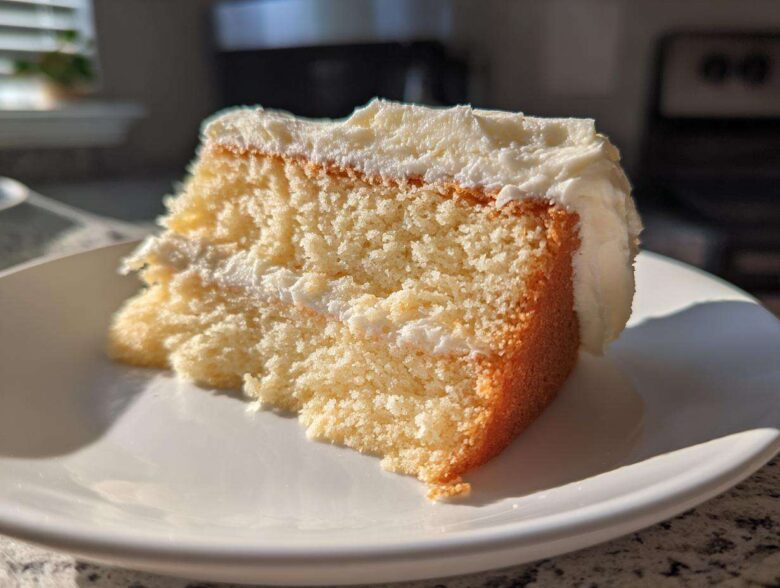
We all search for it, right? That mythical **vanilla cake recipe** that promises fluffy height, intense vanilla flavor, and a crumb so moist it feels illegal. When Leo and I first retired, our kitchen was suspiciously quiet. Now? It’s the epicenter of delightful messes! This recipe, Leo’s absolute pride and joy, is the one that finally silenced those doubts we had about making truly spectacular cake from scratch. Forget dry, crumbly disappointments. This is the gold standard: reliable, utterly delicious, and honestly, the fluffiest vanilla cake you’ll ever put frosting on. After tasting this, you won’t be looking for another recipe again. I promise. If you want to hear more about how we traded our quiet careers for this joyful chaos, you can read all about our journey over at the About Us page!
Why This is the Perfect Vanilla Cake Recipe for You
We get asked all the time: what makes Leo’s **vanilla cake recipe** different from all the others floating around online? Well, it comes down to performance. This isn’t just a nice cake; it’s a *reliable* cake. It’s the one you bake when you absolutely cannot afford a kitchen failure, especially if you’re stacking up layers for a big birthday. We made sure every step and ingredient contributes to that perfect texture.
- It stays incredibly moist for days, thanks to our little secret ingredients and temperature control.
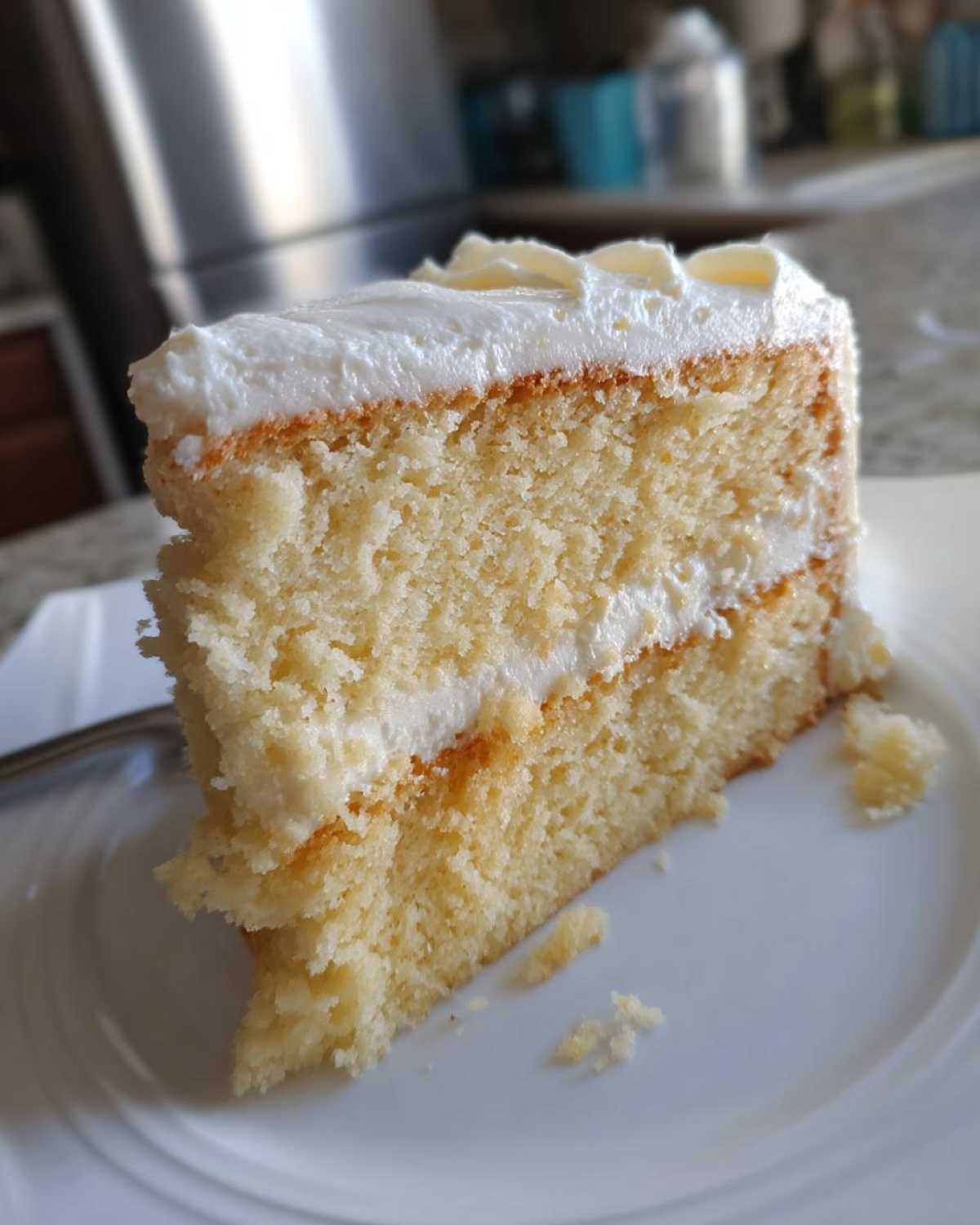
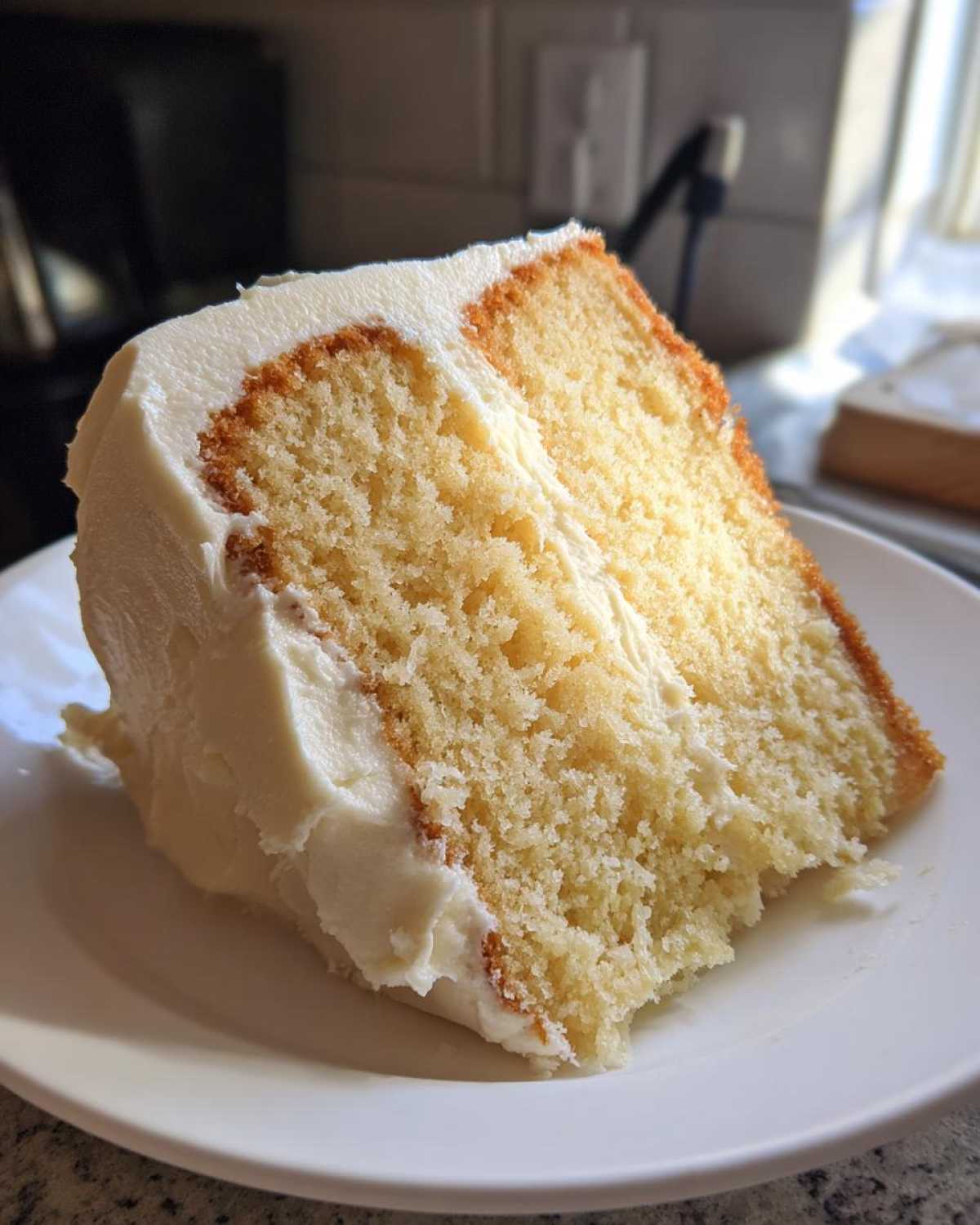
- The crumb structure is exactly what you want: soft, tender, and that beautiful pale color.
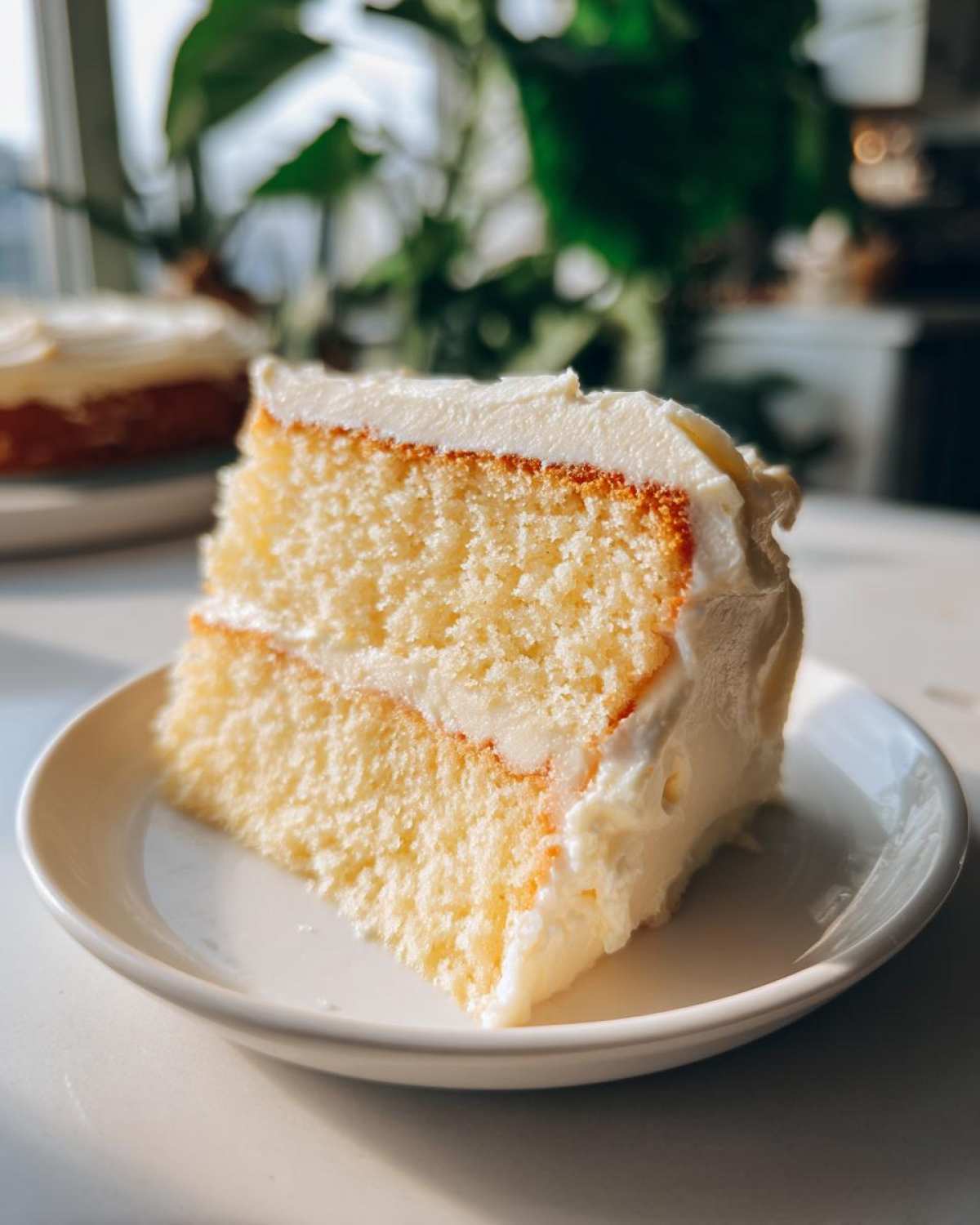
- It handles frosting beautifully, meaning no sad, crumbling sides when you go to assemble it.
- Honestly? It just tastes like the best cake you’ve ever had. You can start smaller with cupcakes if you want to test the waters first!
Achieving a Moist Vanilla Layer Cake Texture
The secret to our rich **Moist Vanilla Layer Cake** experience starts well before we even turn on the mixer. You *must* use room temperature ingredients—eggs, milk, everything! When everything is the same temperature, it emulsifies better, resulting in a batter that suspends moisture perfectly. Plus, we swear by using whole milk; it just adds a richness that lower-fat options simply can’t replicate. Trust me on this one!
Tips for a Fluffy Vanilla Cake From Scratch
The number one mistake in making a **Fluffy Vanilla Cake From Scratch** is falling in love with your electric mixer halfway through mixing. Once you add the wet ingredients to the slightly crumbly butter/flour mix, you have to stop beating the moment it comes together. Overmixing develops too much gluten, and suddenly, congratulations, you’ve baked a chewy muffin top instead of a cake. We want air, not toughness!
Ingredients for the Best Vanilla Cake Recipe
Okay, now for the fun (and slightly less chaotic) part: what you actually need to put into the bowl! For this **Best Vanilla Cake Recipe**, precision matters, especially regarding temperature. I always lay everything out on the counter before I even preheat the oven. Leo always jokes that my prep station looks like a chemistry lab, but trust me, properly tempered ingredients make this cake bake up perfectly soft and stable. Remember, we aren’t using any fancy stabilizers here, just good, clean baking staples.
For the Classic Moist Vanilla Cake Layers
This list is what makes the magic happen inside that soft sponge. See how everything is specified? That’s how we guarantee success:
- 1 3/4 cups all-purpose flour
- 1 3/4 cups granulated sugar
- 1 tablespoon baking powder (don’t skimp here!)
- 1/2 teaspoon salt
- 1 cup unsalted butter, softened (and I mean *softened*, not melted!)
- 4 large eggs, room temperature
- 1 cup whole milk, room temperature
- 2 teaspoons pure vanilla extract (use the good stuff!)
For the Homemade Vanilla Buttercream Frosting
We need a frosting sturdy enough for stacking but light enough that it melts in your mouth. This **Homemade Vanilla Buttercream Frosting** is classic, creamy, and balances the vanilla cake beautifully:
- 1 cup unsalted butter, softened
- 4 cups powdered sugar, sifted (Sifting prevents those dreaded lumps, trust me!)
- 1 teaspoon pure vanilla extract
- 3-4 tablespoons heavy cream
- Pinch of salt
How to Prepare This Easy Vanilla Cake Recipe
Listen, I know baking for a big event can feel stressful, but Leo insists this is an **Easy Vanilla Cake Recipe**, and he’s right! It comes together surprisingly fast because we use the reverse creaming method slightly, which keeps things tidy. The main thing to remember here is timing: get your oven hot, get your pans ready, and then work quickly without over-working the batter once the liquids hit the mix. We’re aiming for speed and precision when assembling these layers. If you follow these steps exactly, you’ll find this recipe is seriously beginner-friendly and yields that beautiful cake you see online. You can check out some of our other helpful kitchen thoughts over on the Tasty Tribune blog!
Mixing the Fluffy Vanilla Cake Batter
First things first: Oven at 350°F (175°C). Get those 8-inch pans greased and the parchment circles cut—don’t skip that part! In your big bowl, whisk the flour, sugar, baking powder, and salt. Now, here comes Leo’s technique: add the softened butter and beat it on low speed until it looks like wet sand or coarse crumbs. This coats the flour and keeps gluten development down, which is our secret to a light crumb! After that, whisk your milk, eggs, and vanilla together separately. Add half the wet stuff, mix just until it incorporates, scrape down the sides like they owe you money, and then add the rest! Beat on medium for just one minute until it’s smooth. If you look closely and still see a few tiny streaks, STOP. Seriously, do not overmix!
Baking and Cooling the Soft Vanilla Sponge Cake
Now you’ll quickly divide that gorgeous batter evenly between your two prepared pans. Into the oven they go for about 30 to 35 minutes. You’ll want to test them frequently near the end, but the classic wooden pick test is your best friend here. If it comes out clean, you’re good to go! The most important cooling step? Let them sit right there in the pans on a rack for exactly ten minutes. If you try to take them out sooner, they might collapse, and that would be a disaster for our layers. After those ten minutes, invert them onto the wire rack completely. They MUST be 100% cooled before you even think about frosting them, or you’ll end up with soup!
Whipping the Creamy Vanilla Buttercream Frosting
When the cakes are chilling out, we make the frosting so it’s ready to go. Start with your softened butter and beat it until it’s really creamy and pale—this takes a minute or two on medium speed. Then, add that sifted powdered sugar gradually. I like to add it in two or three batches so it doesn’t fly everywhere! Once it looks thick, mix in the vanilla and salt. Now for the magic: drizzle in the heavy cream, one tablespoon at a time, until it’s light and spreadable. Don’t stop there! Leo insists on beating it on high speed for two full minutes after everything is combined. That final high-speed whip incorporates the air that makes our buttercream so incredibly fluffy and not too dense or sugary.
Assembling Your Vanilla Cake for Special Occasions
The moment of assembly! This is where our **Vanilla Cake for Special Occasions** truly transforms from two separate layers into a showstopper. Once those cakes are completely, totally cool—I mean stone cold, folks—you’re ready to layer. Before Leo even thinks about putting the first layer down, he has a crucial step: leveling. If your cakes domed a bit during baking, grab a serrated knife and gently slice off that dome so you have a perfectly flat surface. It feels like you’re wasting cake, but trust me, it’s the only way to get straight sides!
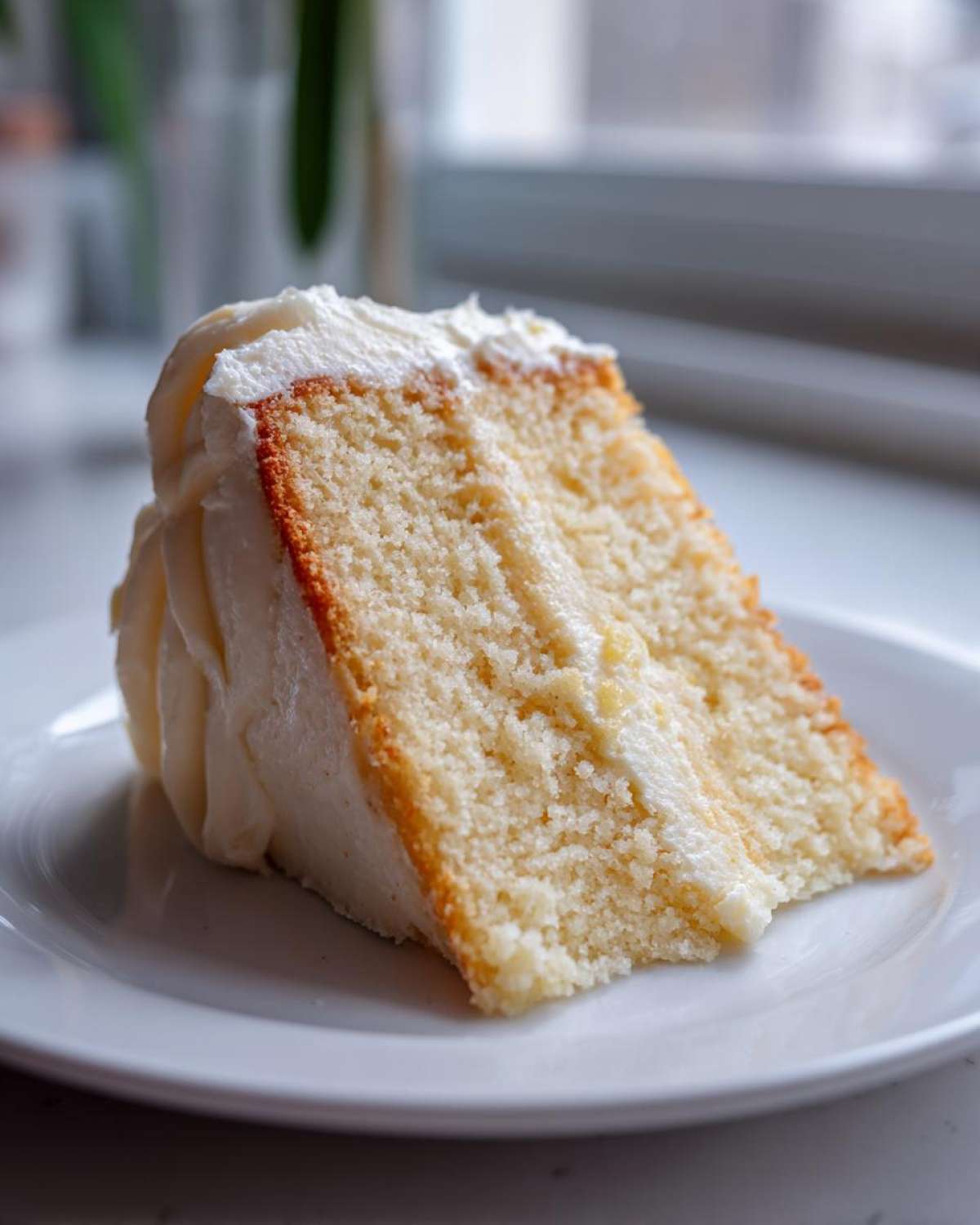
Put down your first layer, put a nice healthy dollop of that homemade vanilla buttercream right in the center, and spread it evenly, leaving about a quarter-inch margin from the edge. Then, place the second layer on top. Now for Leo’s best tip for that bakery-style finish: the crumb coat! Take a very thin layer of frosting and cover the entire outside of the stacked cake. You’ll see bits of vanilla cake speckling through—that’s the point! Chill that crumb-coated cake in the fridge for about 15 minutes. When you come back, that first thin layer acts like glue, trapping all those loose crumbs. Then you can apply your final, gorgeous layer of frosting without a single speck of cake getting dragged out. It makes all the difference!
If you’re looking for another showstopper dessert that always impresses, you absolutely have to try our creamy New York Cheesecake recipe next!
Ingredient Notes and Substitutions for the Perfect Vanilla Cake Recipe
Leo is very particular about ingredients, and I’ve learned that’s why this **Perfect Vanilla Cake Recipe** is so foolproof! When people ask if they can swap things out, my answer is usually: yes, but you change the song! Now, if you’ve seen other recipes mentioning sour cream, that’s a fun trick. Sour cream adds fantastic moisture because of its fat content, but since Leo’s recipe already uses whole milk and careful mixing to keep it moist, we skip it here. Also, about that vanilla—please, *please* use pure vanilla extract. The imitation stuff tastes thin and sharp. If you want a stark white cake for a specific look, some pros use clear vanilla, but honestly, the better flavor profile comes from the real, dark extract, even if it slightly tints the crumb.
If you absolutely must substitute butter in the cake itself—though Leo would faint—you can use a high-quality vegetable shortening, but you will lose a fair amount of flavor depth. For the most reliable results that match this incredibly popular, moist cake, stick to the butter and the room temperature requirements. For more insight on creating incredibly moist results, check out this article on similar recipes here.
Storage and Make Ahead Vanilla Cake Tips
Nobody wants to eat a whole layer cake in one day, even if it’s Leo’s creation! The great part about this recipe is its staying power. If you’ve frosted it, it’s best kept right on the counter—not in the fridge unless your kitchen is super hot—for up to three days. The fat in the buttercream acts as a wonderful sealer. If you need to **Make Ahead Vanilla Cake**, I highly recommend baking the layers, letting them cool completely, wrapping them tightly in plastic wrap (put a layer of foil over that for extra protection!), and popping them in the freezer for up to a month. Thaw them on the counter, wrapped, for a few hours before you plan to frost. Makes party prep so much calmer!
You can find my complete guide on planning ahead for desserts, including this one, over at my dedicated prep page.
Troubleshooting Common Vanilla Cake Issues
Even with the best intentions, sometimes baking throws us a curveball! Don’t panic if your **vanilla cake recipe** doesn’t come out looking exactly like the picture the first time. Usually, a little adjustment fixes everything right up. Leo hates waste, so we’ve figured out how to rescue most common rookie mistakes easily.
If your cake came out a little dry, even though you swore you followed the instructions? Nine times out of ten, this happens because you either overbaked it by just a couple of minutes, or your butter/eggs weren’t truly room temperature, preventing a good emulsion. The fix? For next time, pull it the second the pick has moist crumbs. For today’s cake, you can try brushing the layers lightly with simple syrup before the first coat of frosting.
What if your beautiful, creamy frosting turned soupy? That means you added too much heavy cream, which is easy to do when you’re excited! Just slow the mixer down to low and add a splash more sifted powdered sugar until it firms up a bit. If it’s too thick and stiff? Add the cream back, one teaspoon at a time, until it loosens. It’s all about patience!
Frequently Asked Questions About This Classic Birthday Cake Recipe
Leo and I always get these great questions after people try the recipe! It shows me everyone is reading the details and planning their baking sessions. Here are a few of the ones we hear most often about what might be the Classic Birthday Cake Recipe we never knew we needed! If you’ve ever tried our famous immune-boosting soup, you know we bring the same level of care to everything, including this cake. Check out our amazing Italian Penicillin Soup recipe for a totally different kind of comfort food!
Can I use this vanilla cake recipe for cupcakes?
Absolutely! This is one of the best parts about using a reliable base. You can totally use this batter for cupcakes. Just remember that smaller items cook much faster. Line your muffin tins, fill them about two-thirds full, and keep an eye on them. They usually only take about 18 to 22 minutes, so start checking right around the 18-minute mark. It makes this an incredibly versatile and Beginner Friendly Vanilla Cake option!
What makes this the Best Vanilla Cake Recipe?
It boils down to three things, honestly: moisture, flavor balance, and reliability. We use high-quality pure vanilla, we ensure the fat-to-flour ratio is spot on to prevent dryness, and the mixing method guarantees a soft, appealing bite every single time. It’s the kind of cake that disappears fast but tastes great the next day. That combination is exactly why we call it the Best Vanilla Cake Recipe!
Why do I need room temperature eggs and milk?
Oh, this is important! When your cold ingredients hit the creamed butter and sugar, they cause the mixture to deflate slightly, making your final cake heavier and sometimes a little crumbly. Room temperature components blend seamlessly, creating a uniform batter that traps air beautifully. That uniform mix is what gives you that beautiful, soft texture we are aiming for in our Soft Vanilla Sponge Cake.
If you have any other questions while you’re baking, don’t hesitate to reach out to us through the contact page here.
Share Your Tasty Tribune Creation
Alright, friends, we’ve covered the history, the technique, and the secrets behind Leo’s absolute favorite **vanilla cake recipe**. Now comes the best part for us—seeing your beautiful creations! We put our hearts (and a lot of butter!) into perfecting this recipe so that *you* can have a show-stopping dessert ready for your next big event or just because you deserve a slice of something wonderful.
When you try out this Moist Vanilla Layer Cake and smother it in that creamy frosting, please come back and tell us about it! Drop a star rating right below the recipe card, or better yet, send us a message through our Contact page with a picture! We absolutely live for those updates. Leo always prints out the reader photos and tapes them up right next to the spice rack. It inspires the next headline!
Thank you so much for stopping by our newsroom today. We hope this cake brings as much joy and laughter to your kitchen as it does to ours. Keep making noise, keep stirring things up, and happy baking!
With love and laughter,
Clara & Leo
PrintLeo’s Best Classic Vanilla Layer Cake with Creamy Buttercream
You need a reliable, moist, and fluffy vanilla cake recipe perfect for birthdays and special occasions. This recipe delivers a soft crumb and pairs perfectly with homemade vanilla buttercream frosting.
- Prep Time: 20 min
- Cook Time: 35 min
- Total Time: 55 min
- Yield: 12 servings
- Category: Dessert
- Method: Baking
- Cuisine: American
- Diet: Vegetarian
Ingredients
- 1 3/4 cups all-purpose flour
- 1 3/4 cups granulated sugar
- 1 tablespoon baking powder
- 1/2 teaspoon salt
- 1 cup unsalted butter, softened
- 4 large eggs, room temperature
- 1 cup whole milk, room temperature
- 2 teaspoons pure vanilla extract
- For the Frosting: 1 cup unsalted butter, softened; 4 cups powdered sugar, sifted; 1 teaspoon pure vanilla extract; 3-4 tablespoons heavy cream; pinch of salt
Instructions
- Preheat your oven to 350°F (175°C). Grease and flour two 8-inch round cake pans or line them with parchment paper circles.
- In a large bowl, whisk together the flour, sugar, baking powder, and salt.
- Add the softened butter to the dry ingredients. Beat with an electric mixer on low speed until the mixture resembles coarse crumbs.
- In a separate bowl, whisk together the milk, eggs, and vanilla extract until combined.
- With the mixer on low, gradually add half of the wet mixture to the dry ingredients, mixing until just combined. Scrape down the sides of the bowl.
- Add the remaining wet mixture and beat on medium speed for about 1 minute until the batter is smooth. Do not overmix.
- Divide the batter evenly between the prepared cake pans.
- Bake for 30 to 35 minutes, or until a wooden pick inserted into the center comes out clean.
- Let the cakes cool in the pans for 10 minutes before inverting them onto a wire rack to cool completely.
- To make the frosting, beat the softened butter until creamy. Gradually add the sifted powdered sugar, beating until smooth.
- Mix in the vanilla extract and salt. Add the heavy cream one tablespoon at a time until you reach a light, spreadable consistency. Beat on high speed for 2 minutes until fluffy.
- Once the cakes are completely cool, place one layer on a serving plate. Spread about one-third of the frosting evenly over the top. Place the second layer on top.
- Frost the top and sides of the entire cake with the remaining vanilla buttercream.
Notes
- Use room temperature ingredients for the cake batter; this helps create a softer, more uniform crumb.
- For a bakery style vanilla cake, use clear vanilla extract instead of pure vanilla extract for a whiter color, though pure extract offers better flavor.
- You can make this a vanilla sheet cake by baking the batter in a greased and floured 9×13 inch pan for 35-40 minutes.
- This recipe makes a perfect homemade vanilla cake that freezes well once cooled and unfrosted.
Nutrition
- Serving Size: 1 slice
- Calories: 450
- Sugar: 55g
- Sodium: 250mg
- Fat: 22g
- Saturated Fat: 14g
- Unsaturated Fat: 8g
- Trans Fat: 0.5g
- Carbohydrates: 60g
- Fiber: 1g
- Protein: 5g
- Cholesterol: 85mg